Painting
Painting classes are designed to introduce students to the foundational principles and techniques of painting across various media. Throughout the course, students develop a structural understanding of form, learning to analyze shape and composition while perceiving value relationships and value shifts within form. Through focused study of color theory, students explore high and low chroma and learn how to manipulate color intensity and saturation to achieve specific visual and expressive effects.
The course emphasizes portraiture and still-life as core formats for organizing pictorial space on the canvas, encouraging students to apply theoretical concepts through sustained observation and practice. Each project is supported by detailed technical demonstrations aligned with the course content, allowing students to build fluency with painting tools, materials, and processes for both technical control and expressive intent.
For the final project, students synthesize the skills and concepts developed over the semester in a self-directed oil painting. This culminating assignment encourages independent inquiry and creative risk-taking, allowing students to select their own subject matter while intentionally applying compositional structure, color strategies, and material handling.
For BFA students in particular, the final project is framed around the theme “A Conversation with a Master Painter.” Students select a historical artist whose work they wish to study, construct an imagined interview from the artist’s perspective, and then reinterpret their own subject matter through that artist’s stylistic and conceptual framework. Through this process, students situate the development of their own body of work within a broader art historical lineage, strengthening both critical awareness and artistic intention.
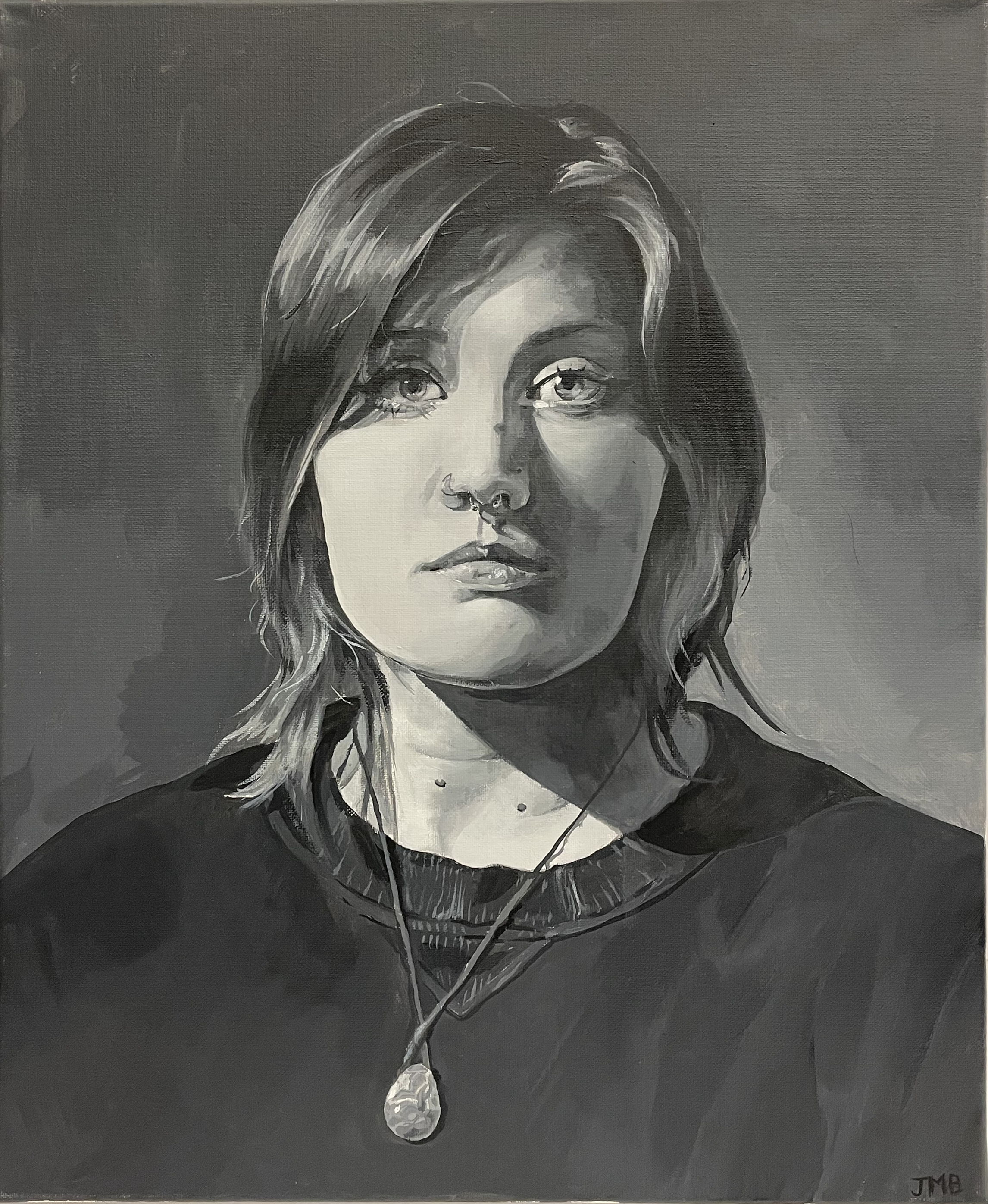
Black & White Self-Portrait
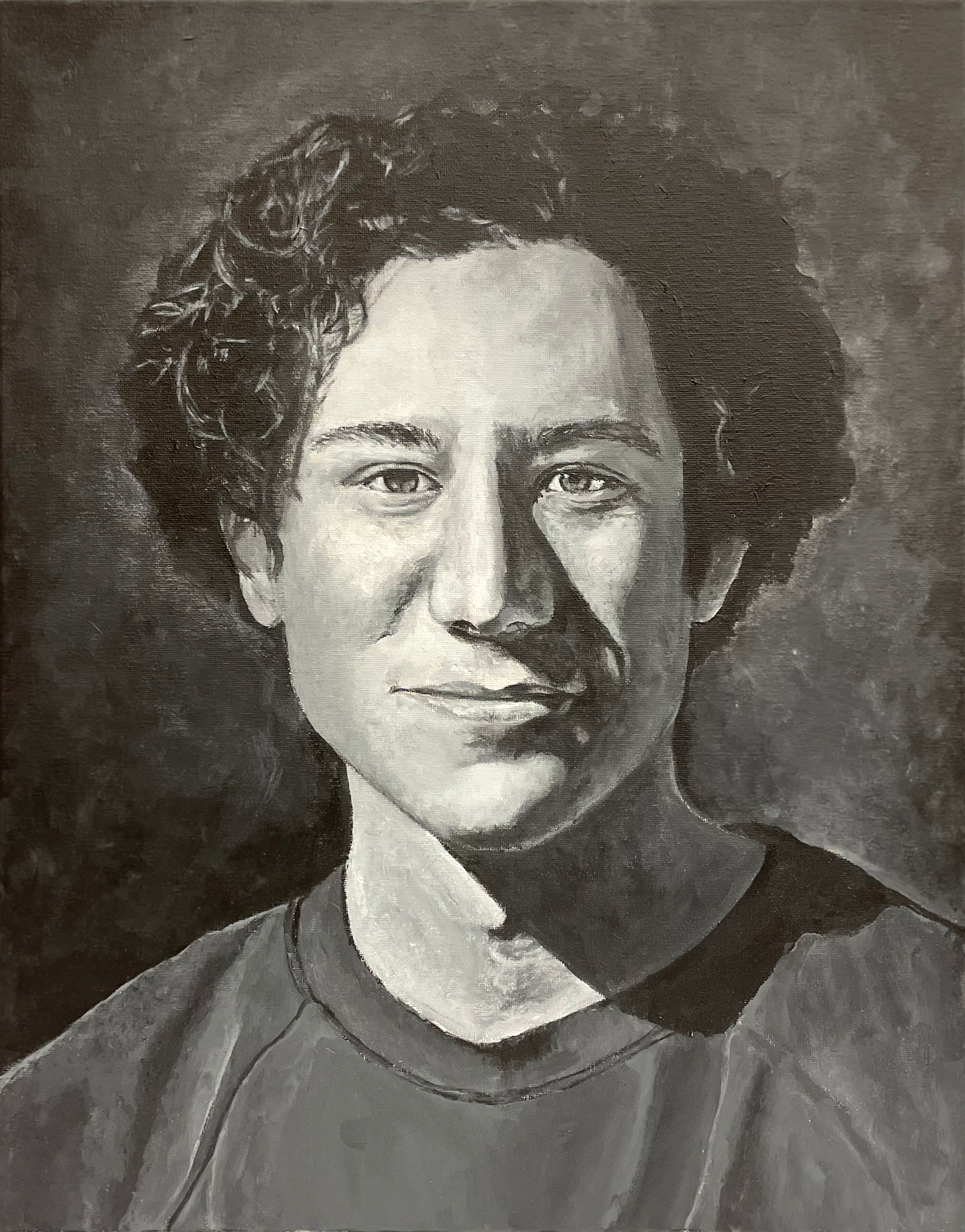
Black & White Self-Portrait
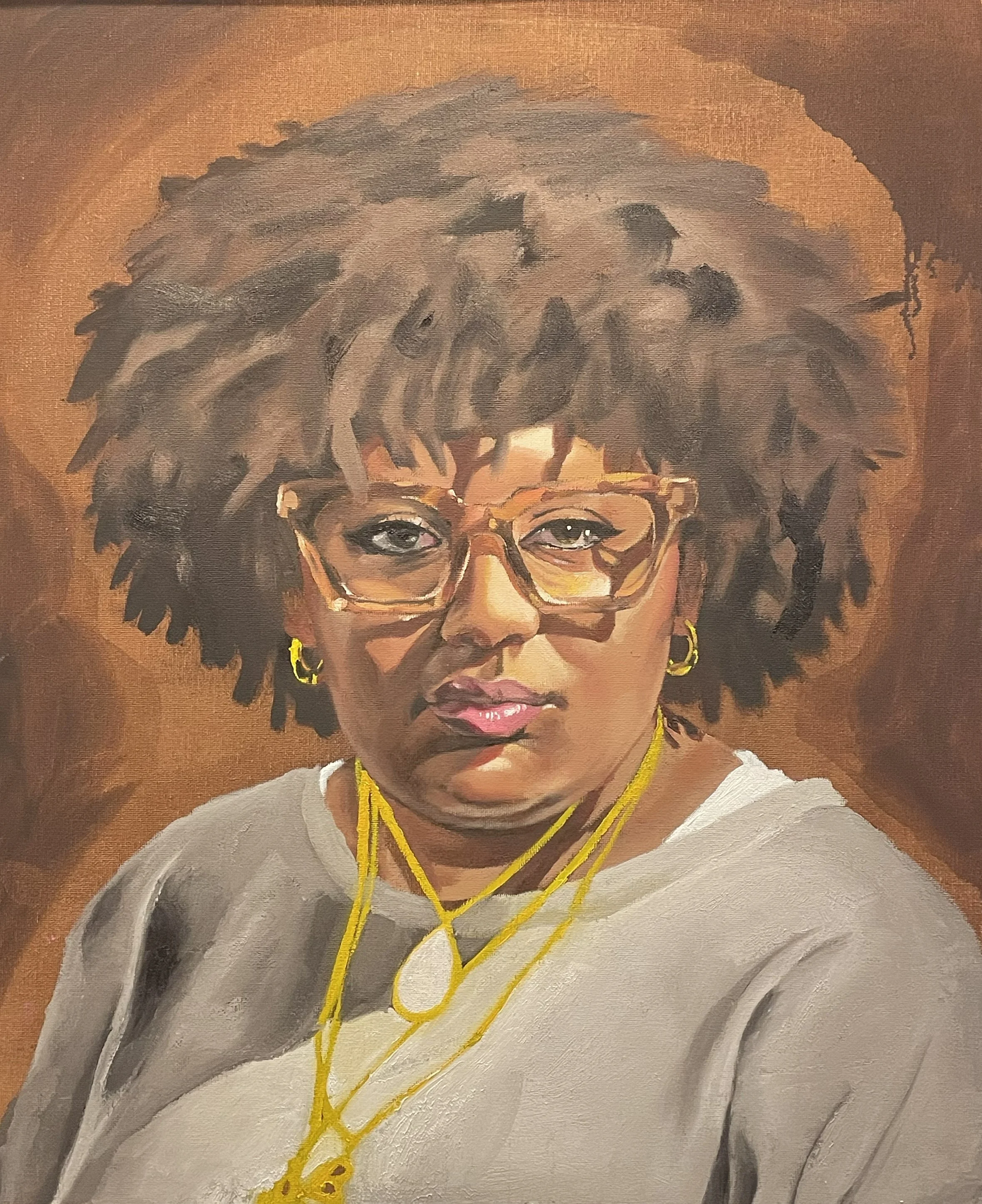
Self-Portrait with Rembrandt Lighting
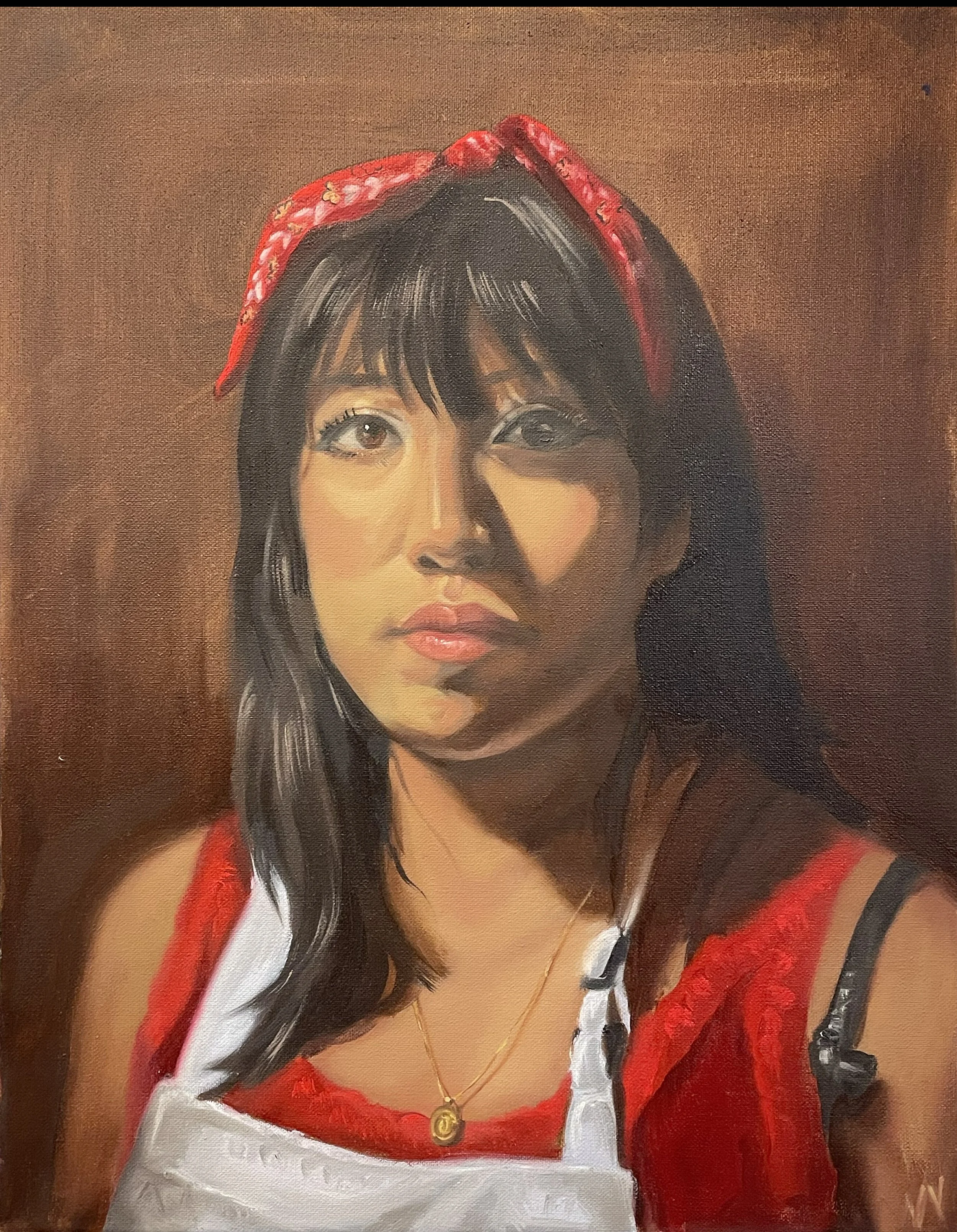
Self-Portrait with Rembrandt Lighting
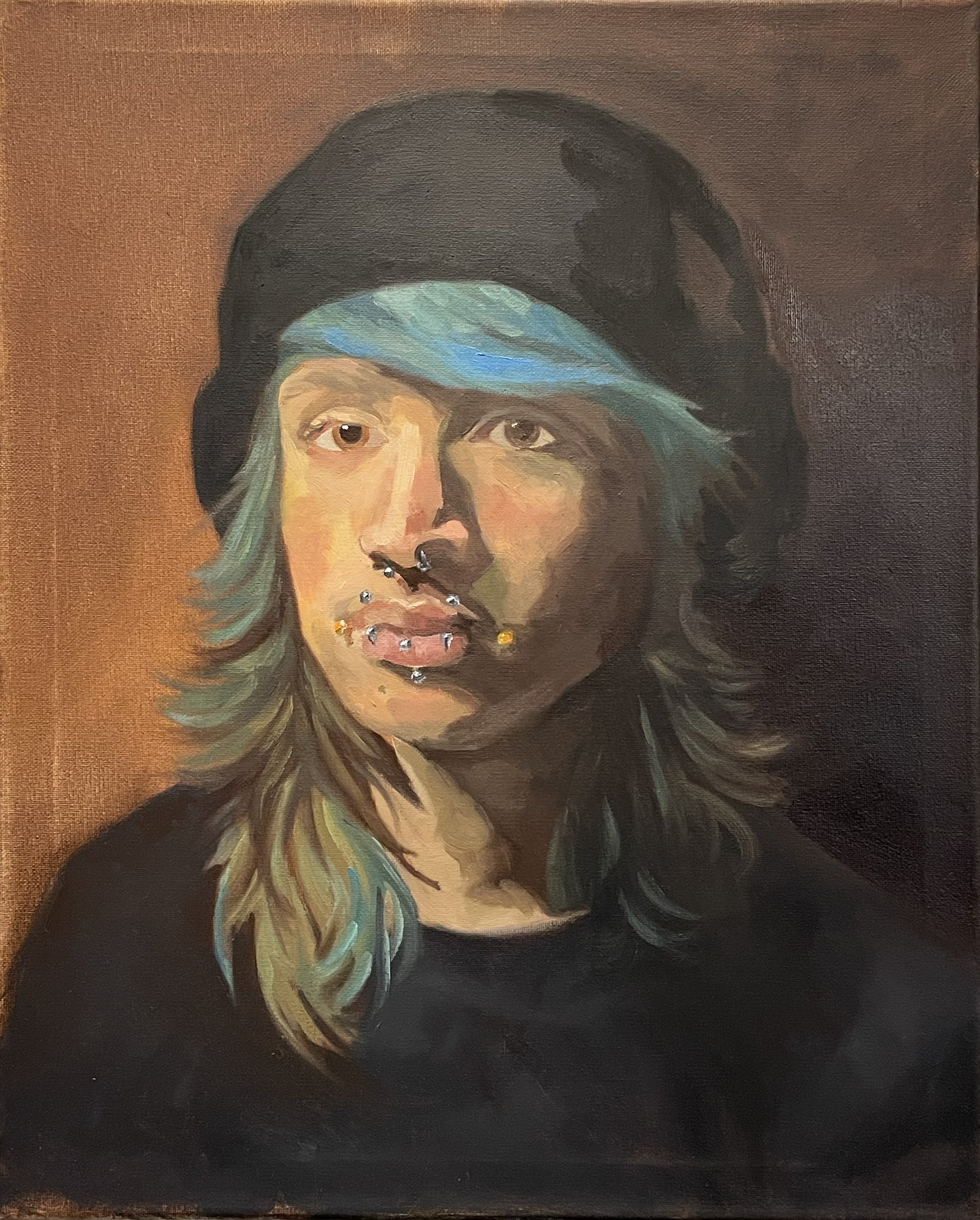
Self-Portrait with Rembrandt Lighting
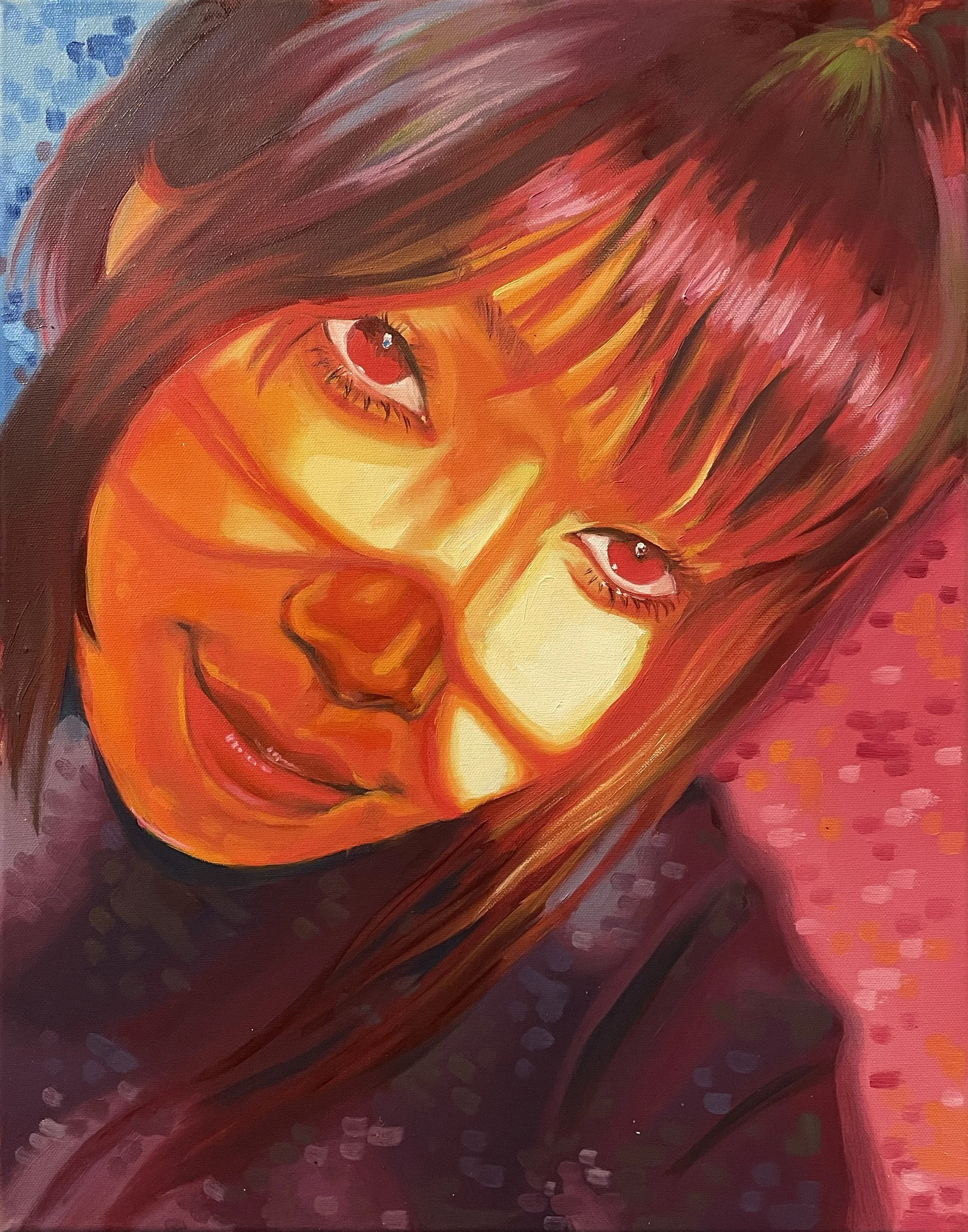
Self-Portrait with Color
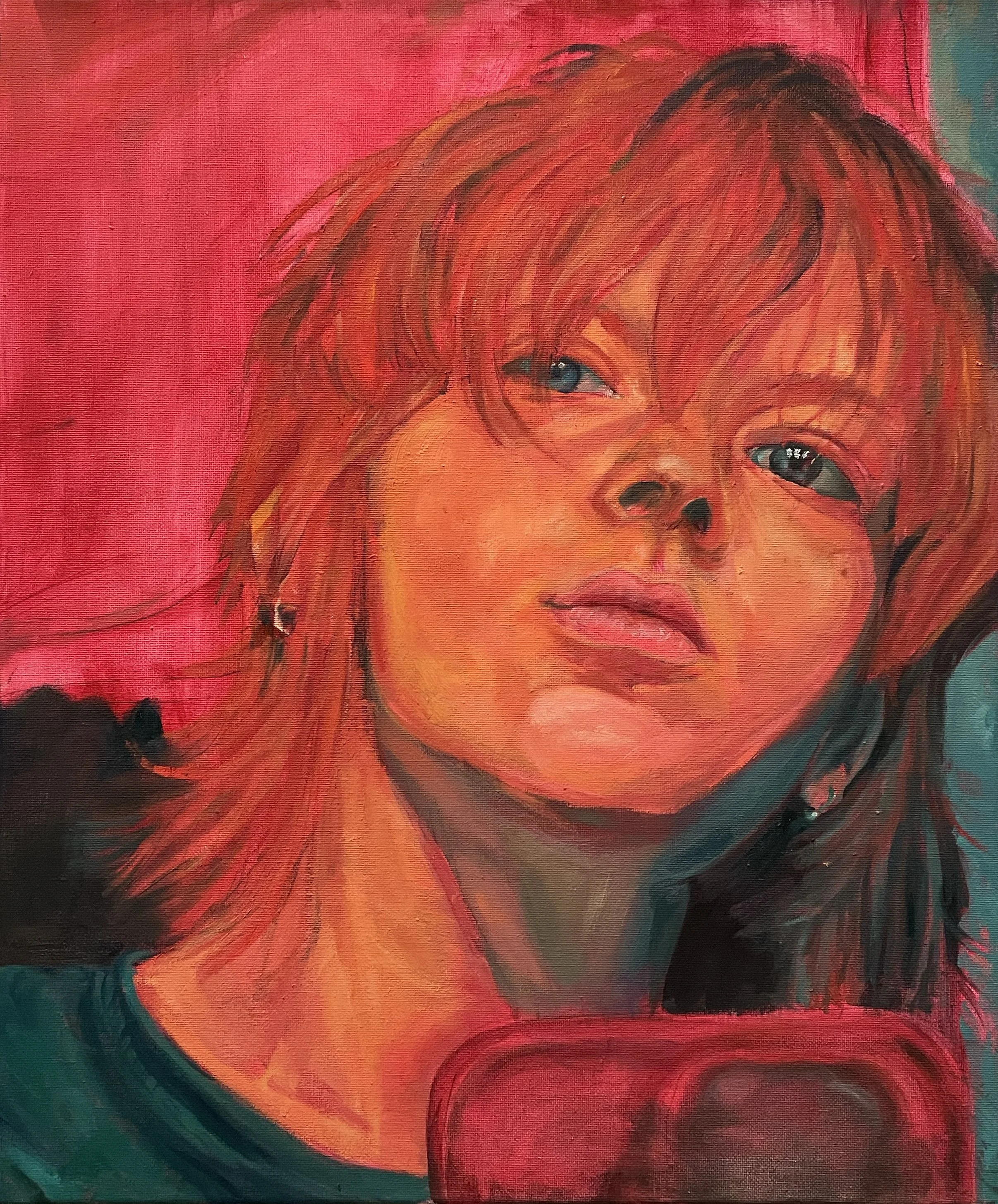
Self-Portrait with Color
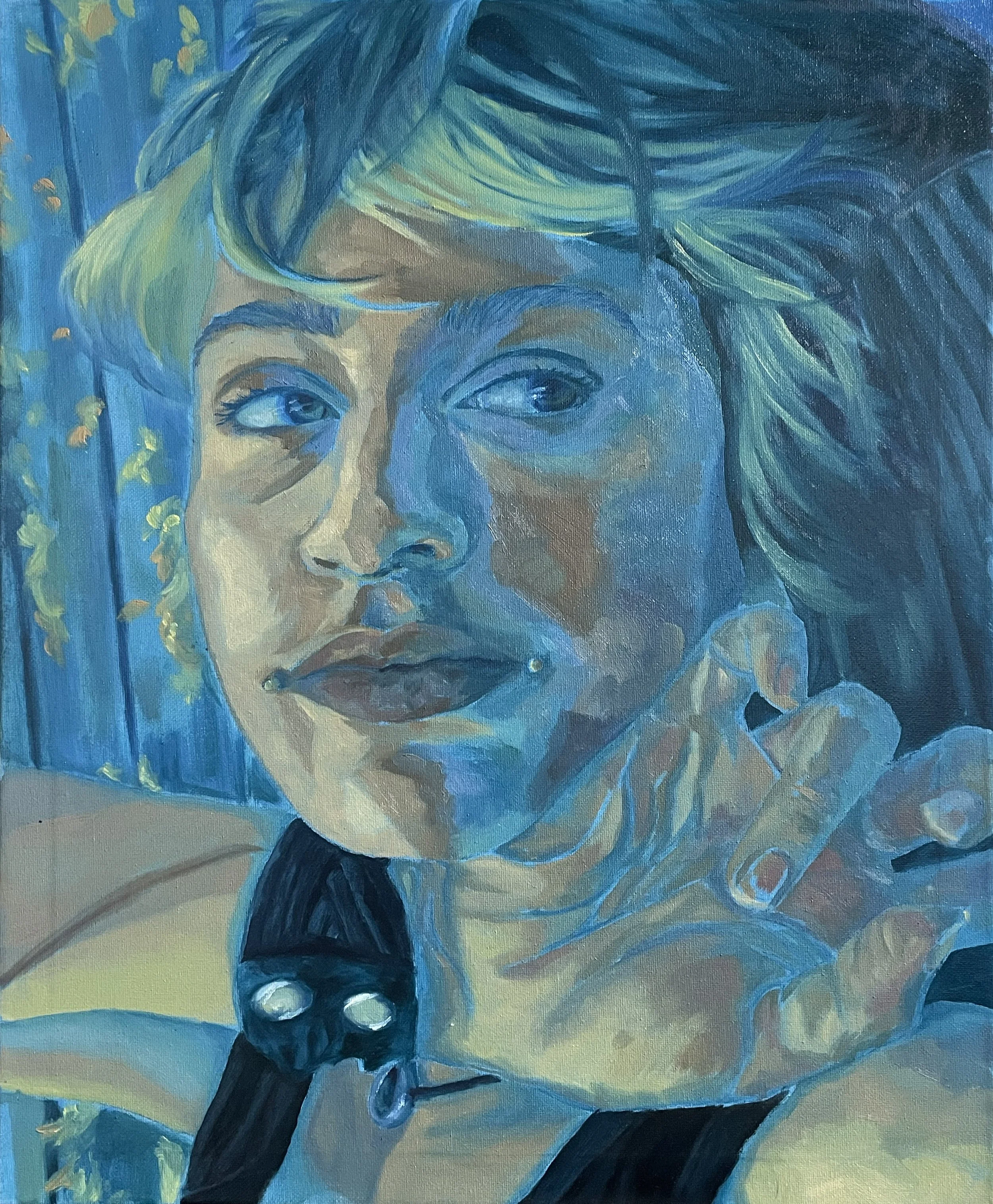
Self-Portrait with Color
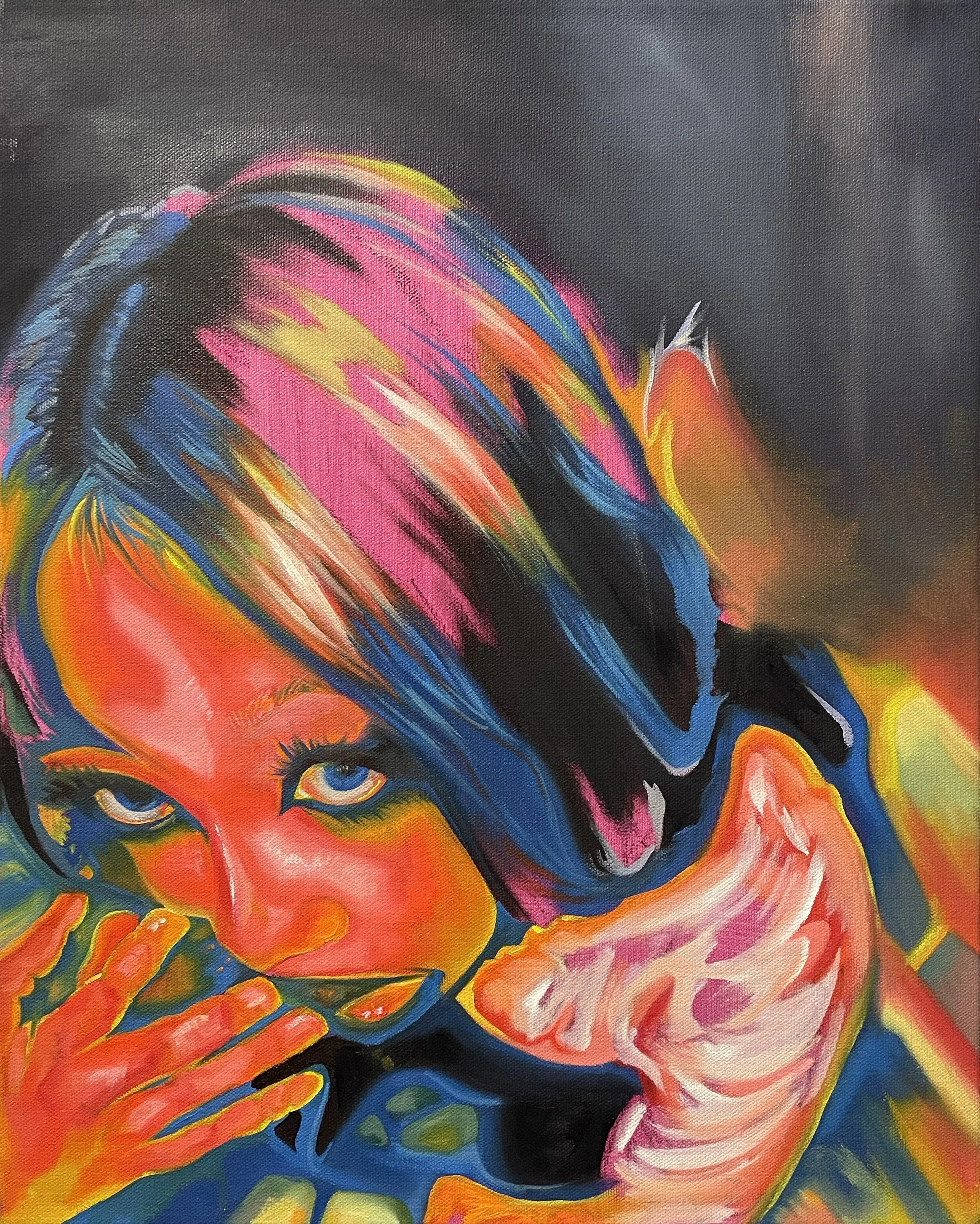
Self-Portrait with Color
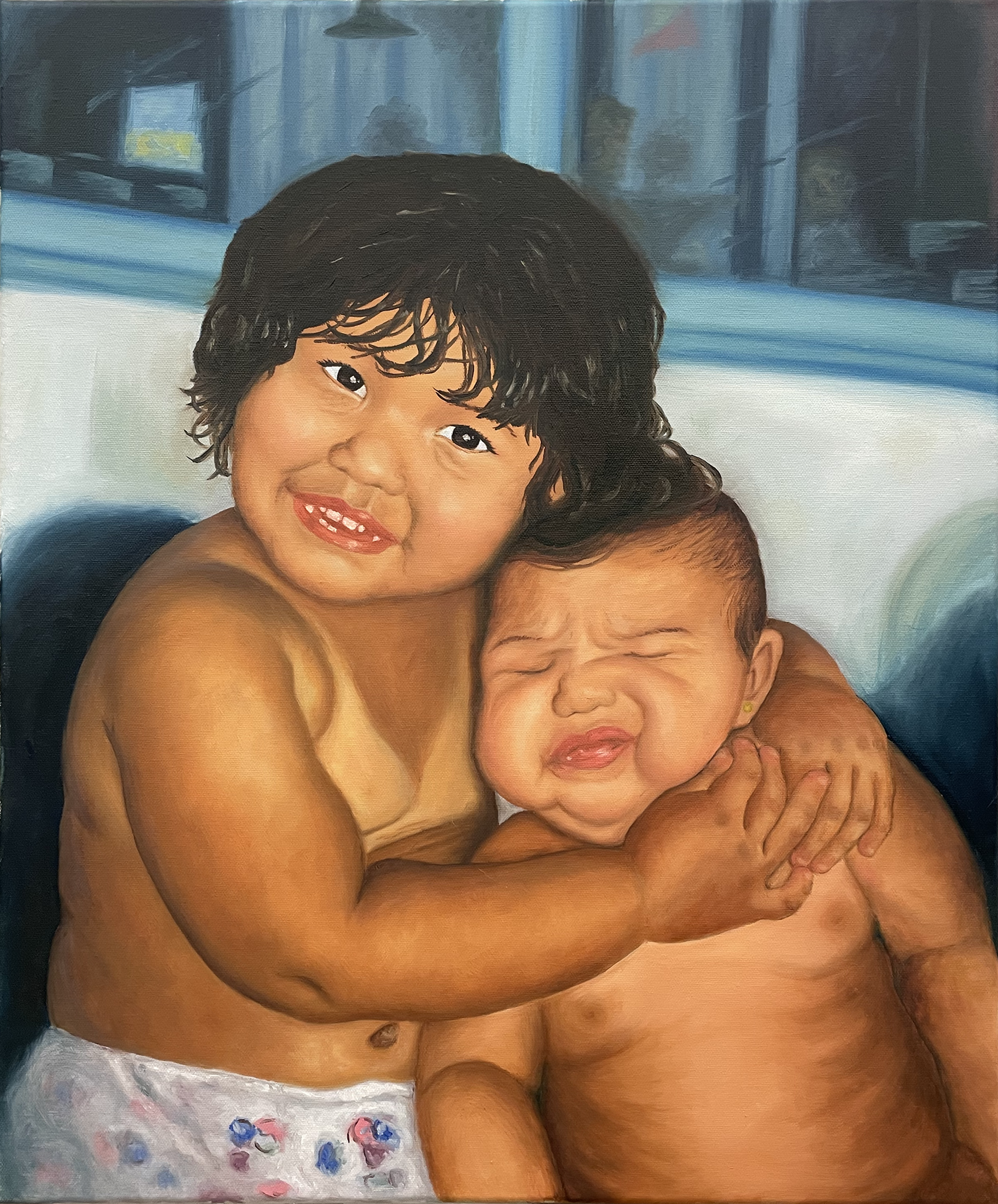
Final Painting: Portrait
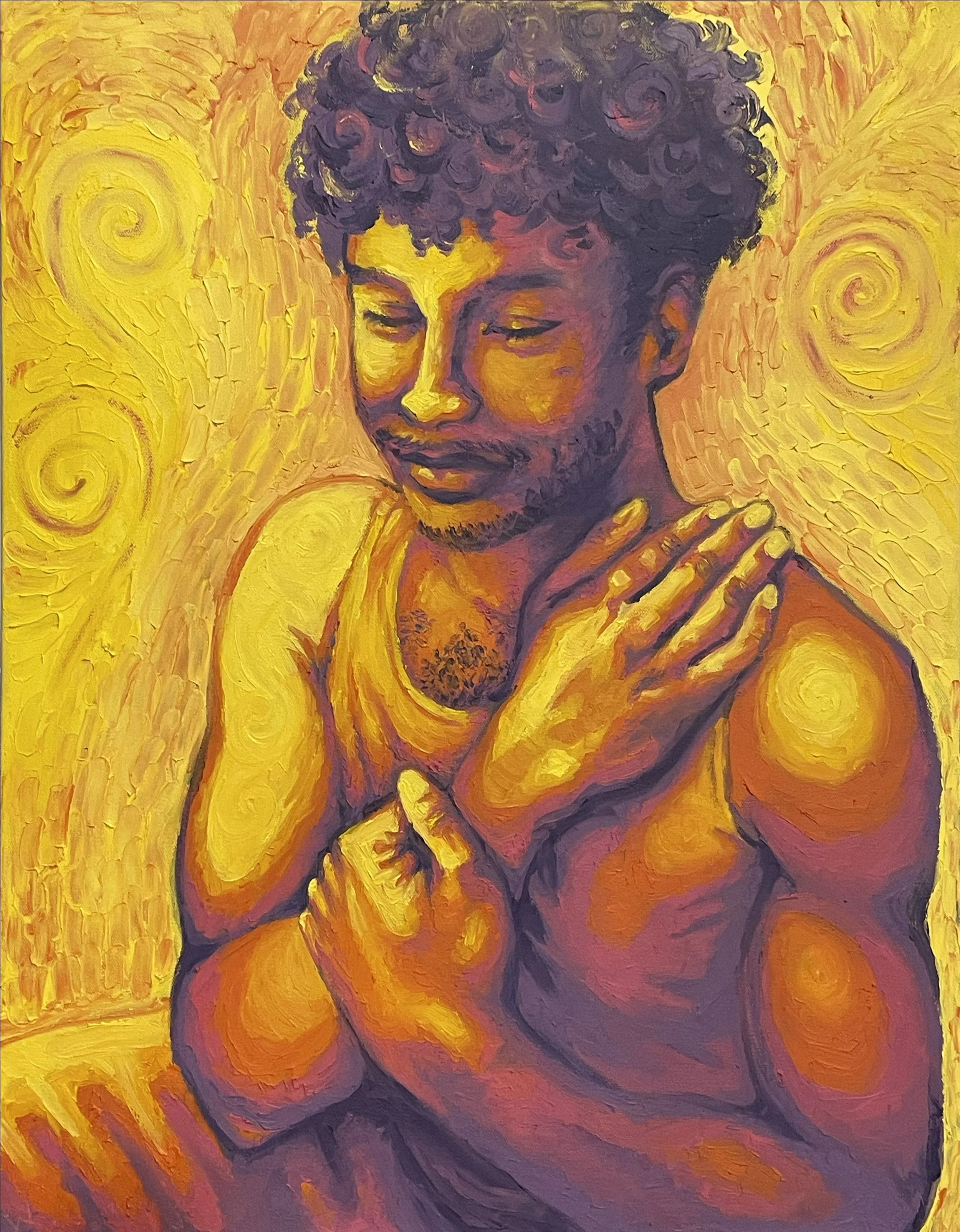
Final Painting: A Conversation with a Master Painter
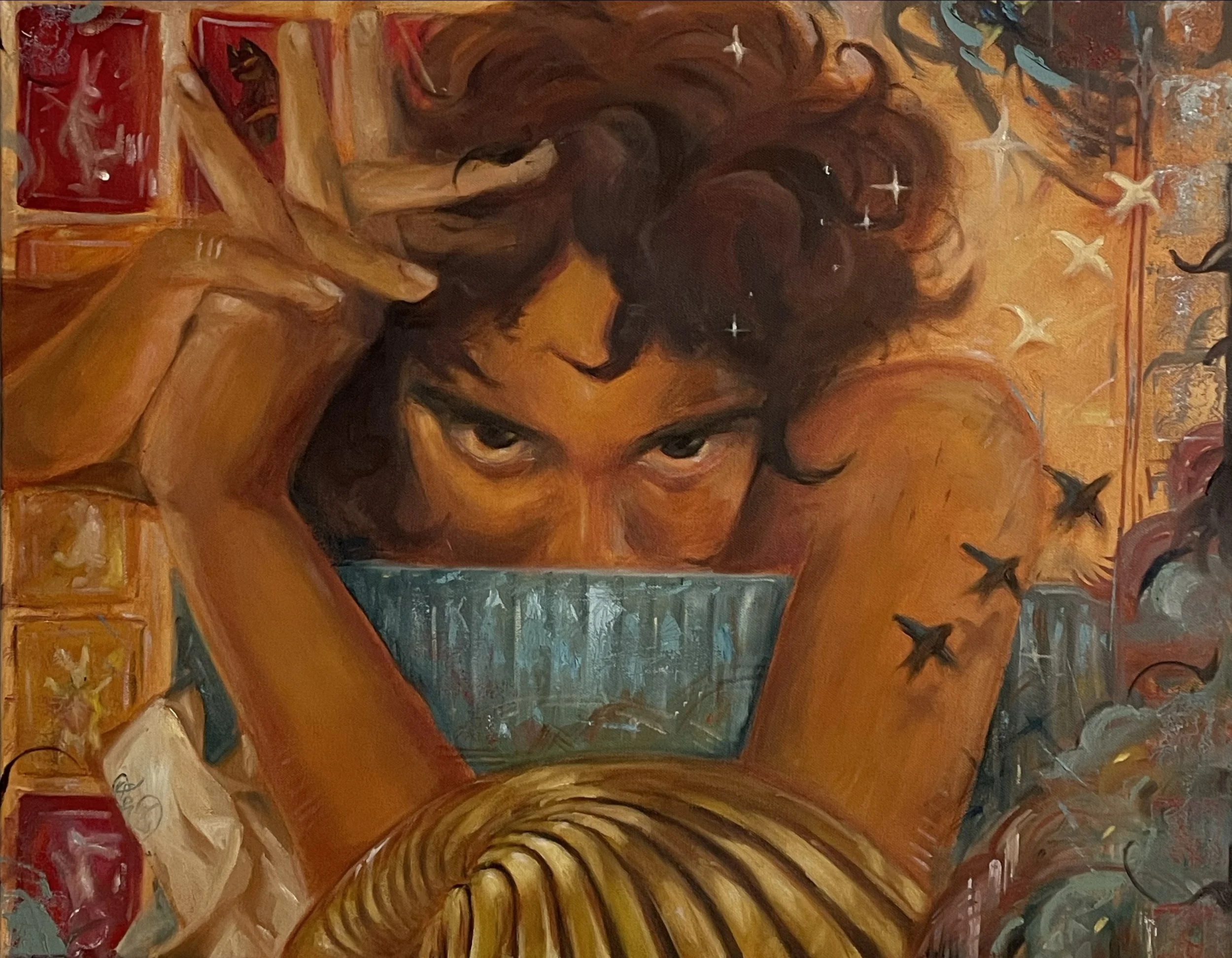
Final Painting: A Conversation with a Master Painter
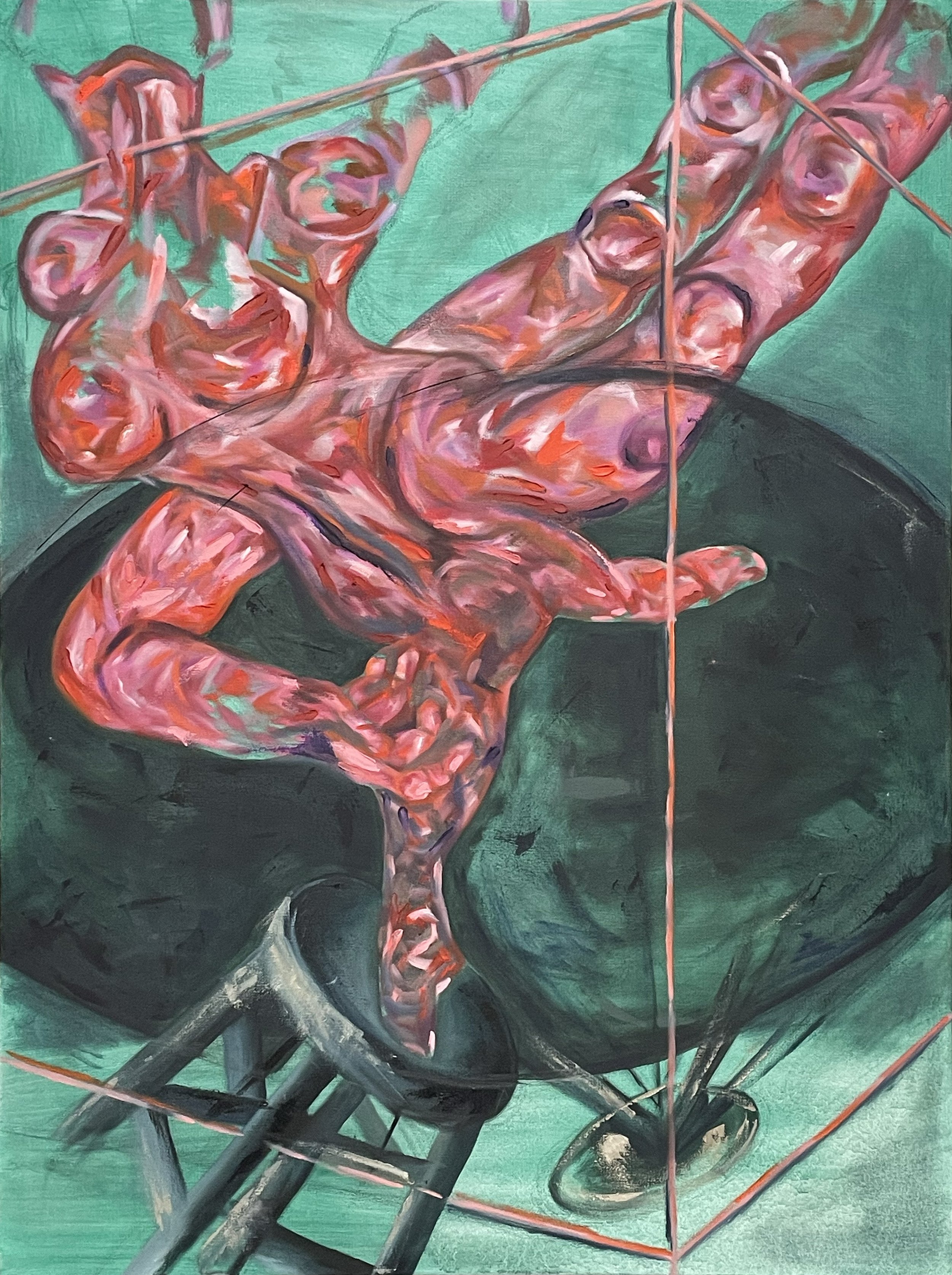
Final Painting: A Conversation with a Master Painter
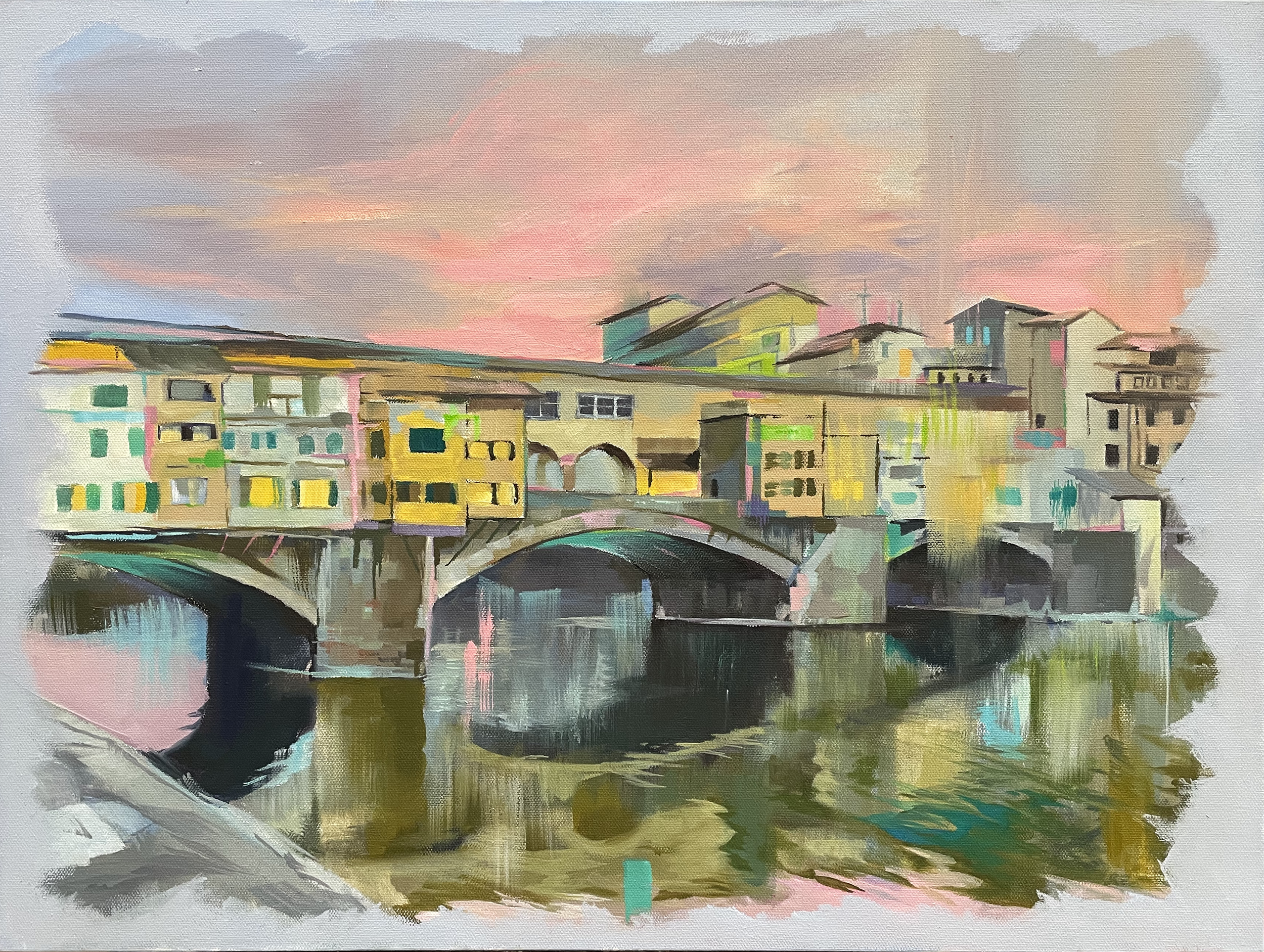
Final Painting: Landscape
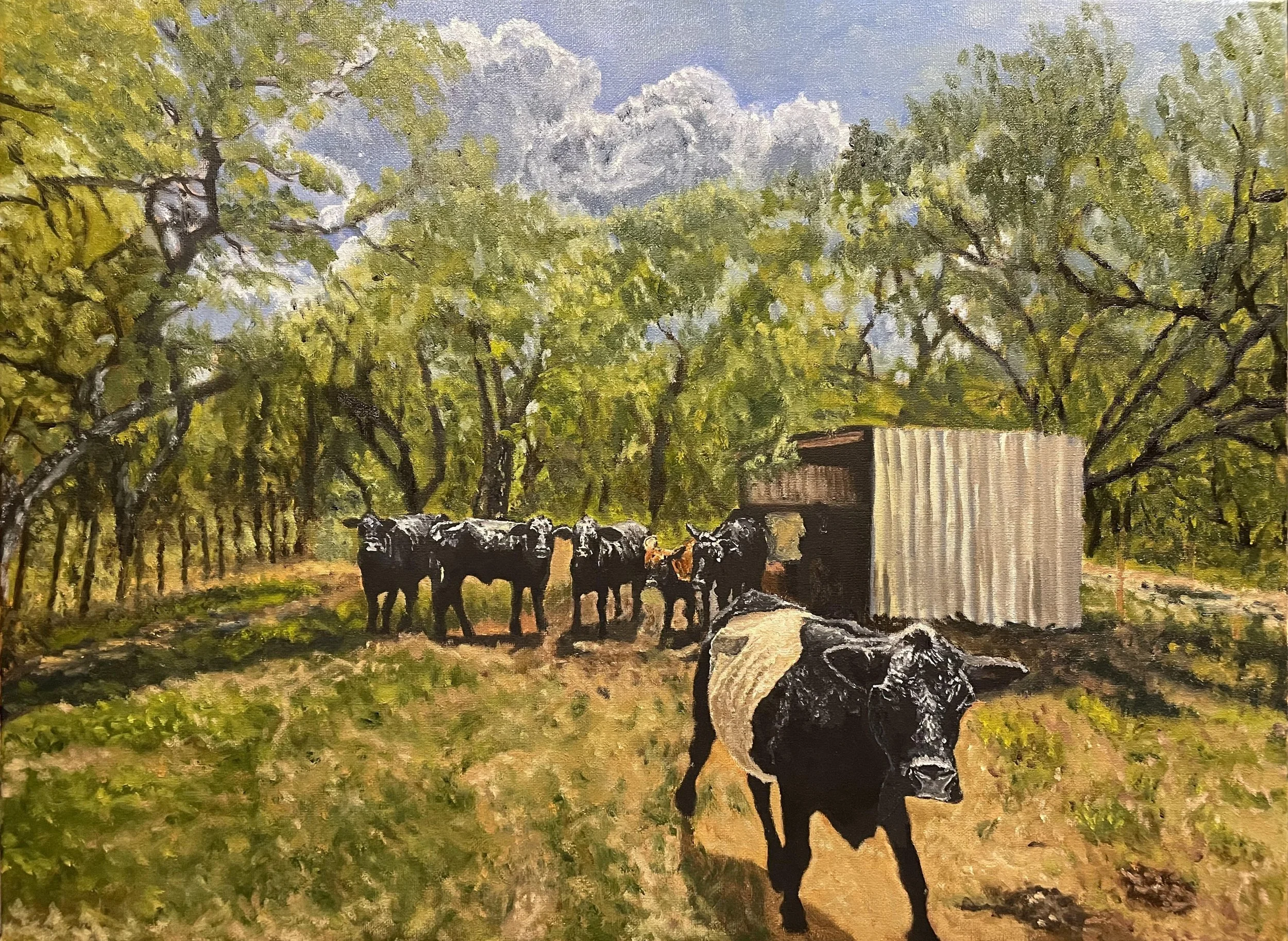
Final Painting: Landscape
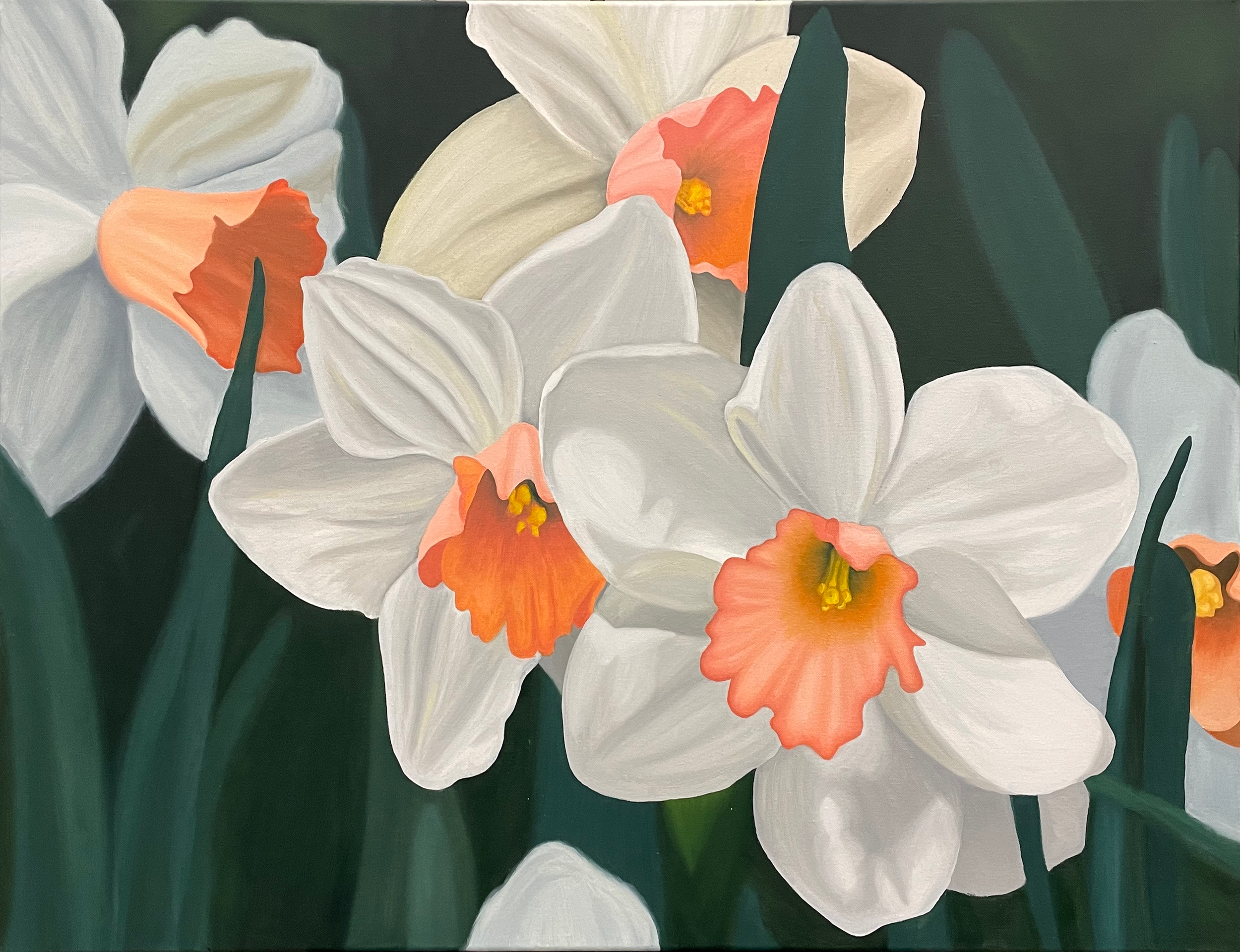
Final Painting: Flowers
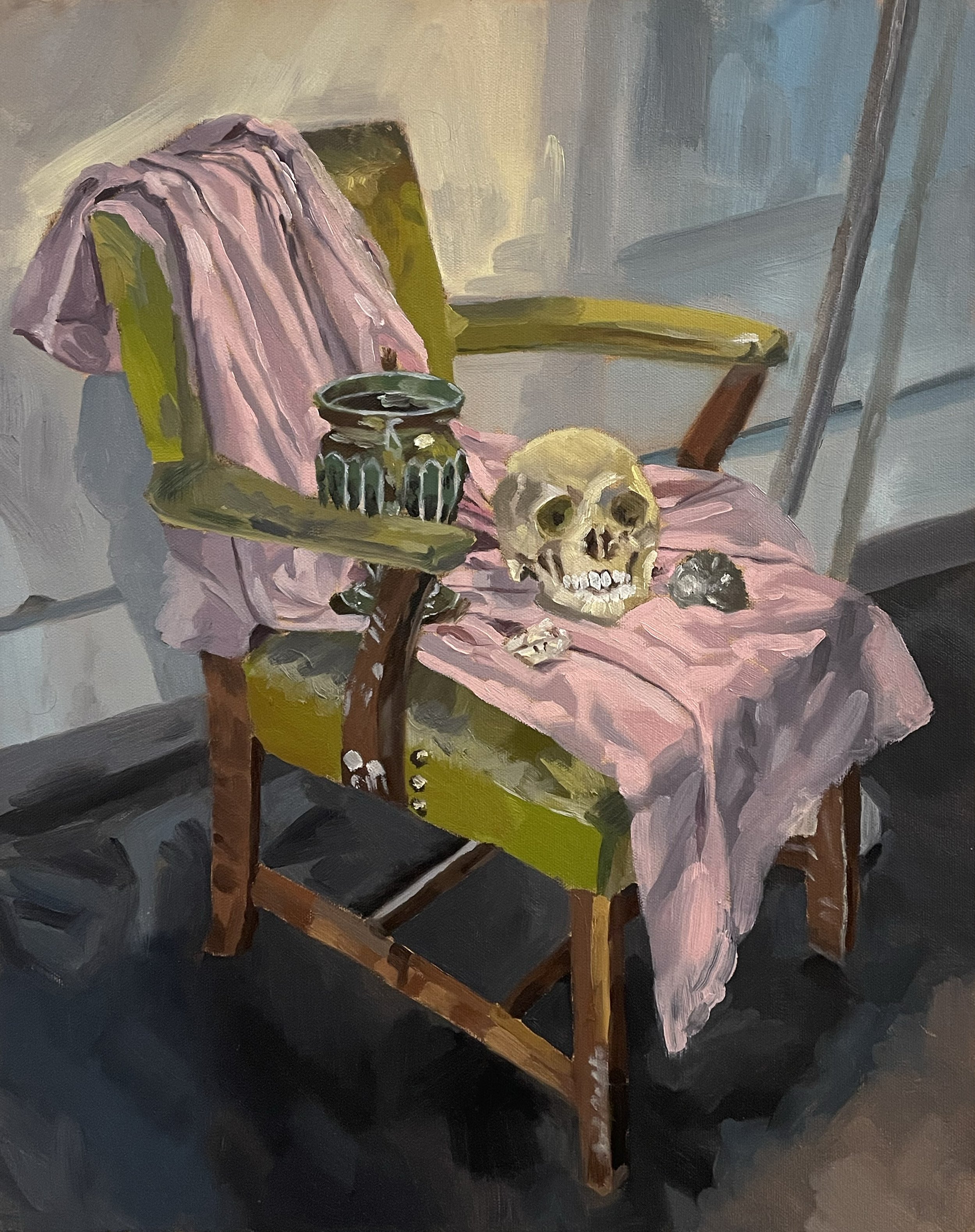
Still-Life Painting (Low-Chroma)
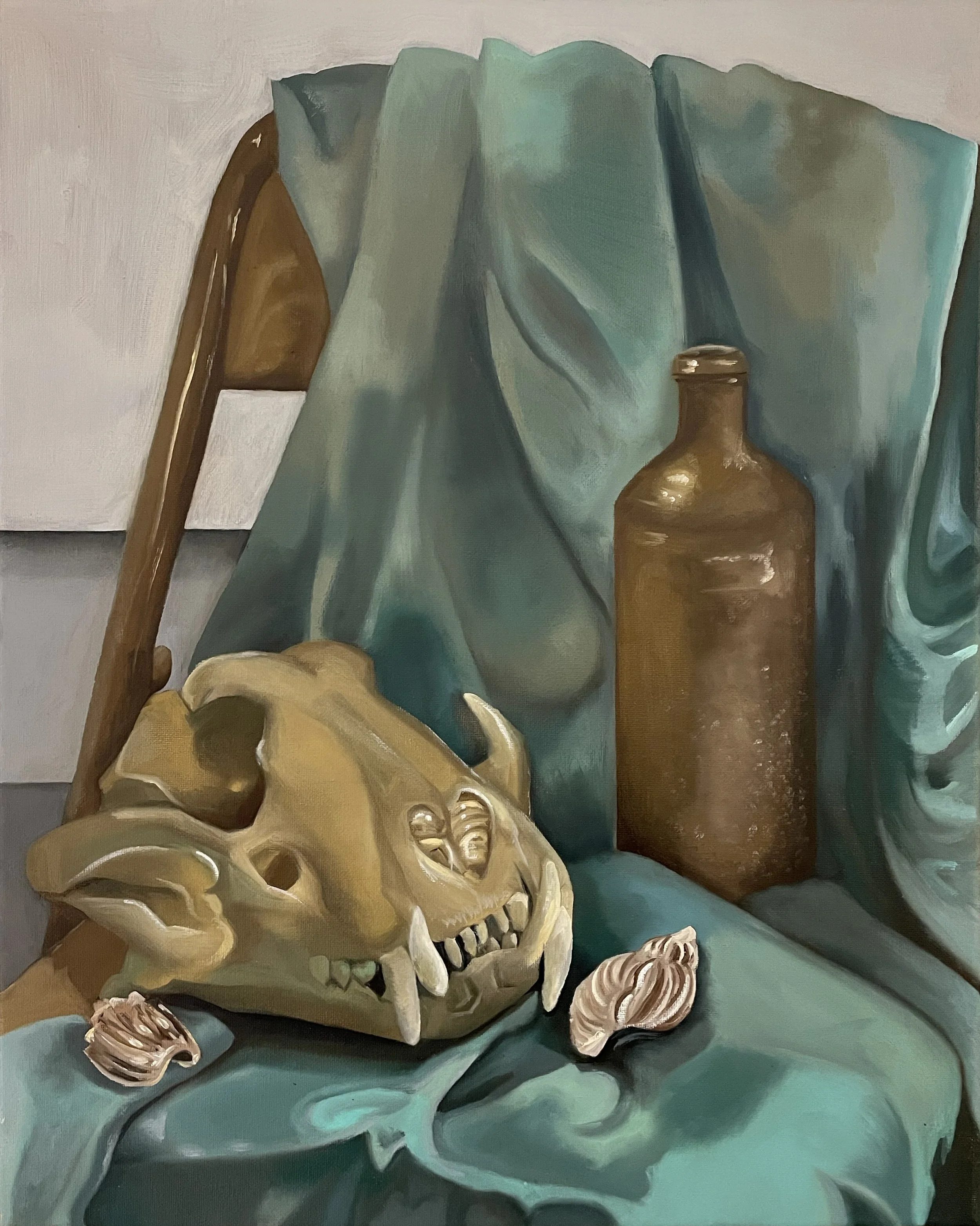
Still-Life Painting (Low-Chroma)
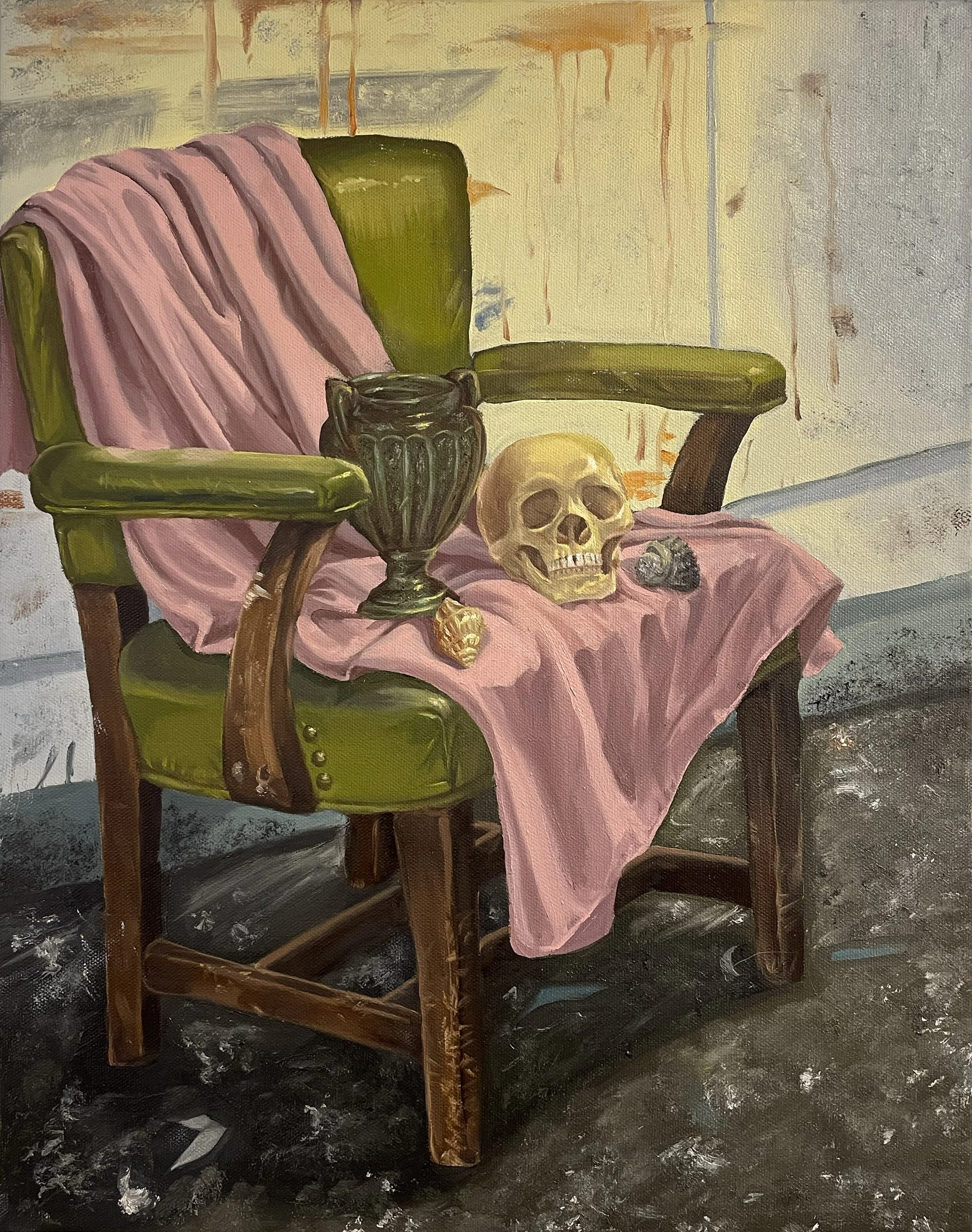
Still-Life Painting (Low-Chroma)
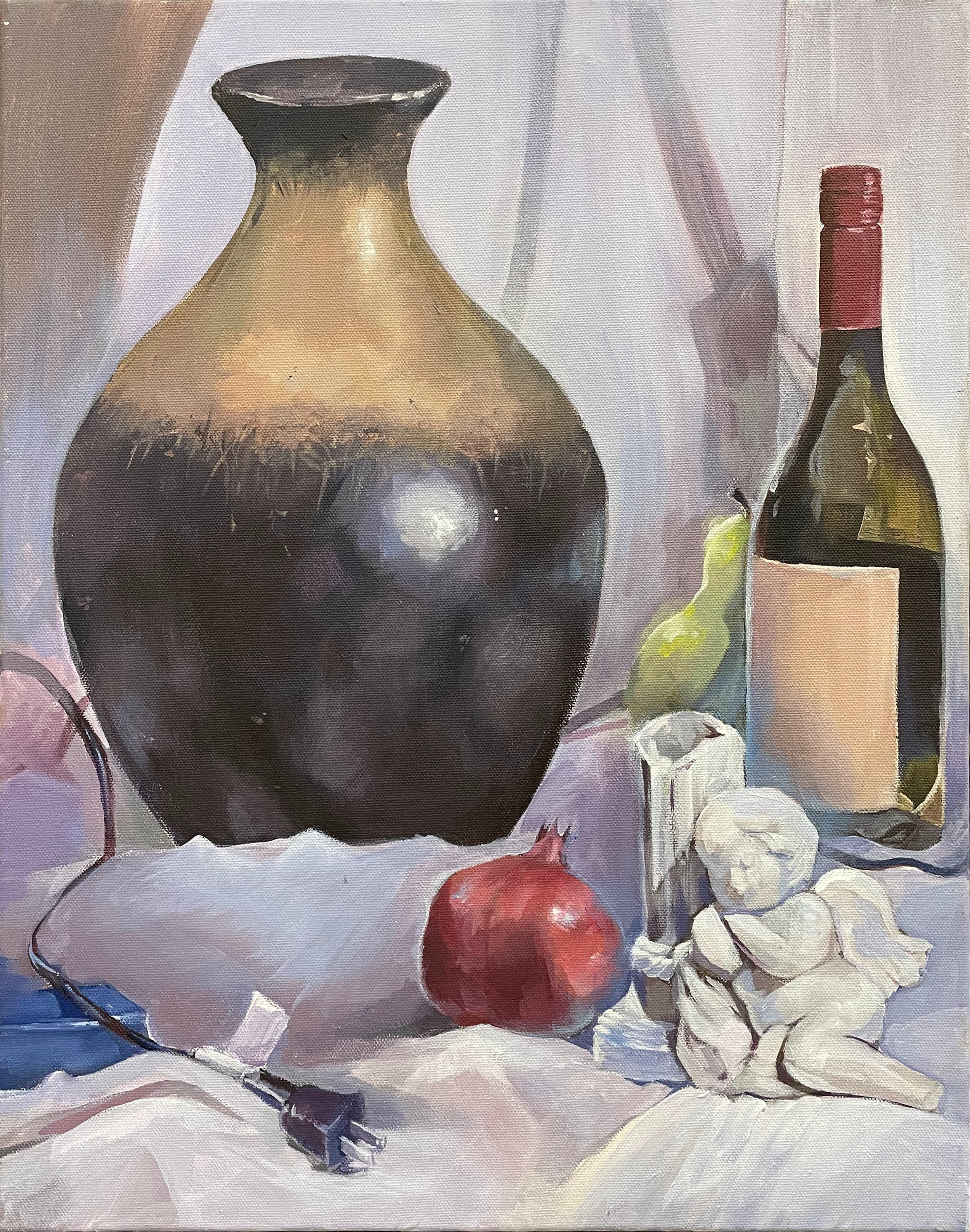
Still-Life Painting (Low-Chroma)
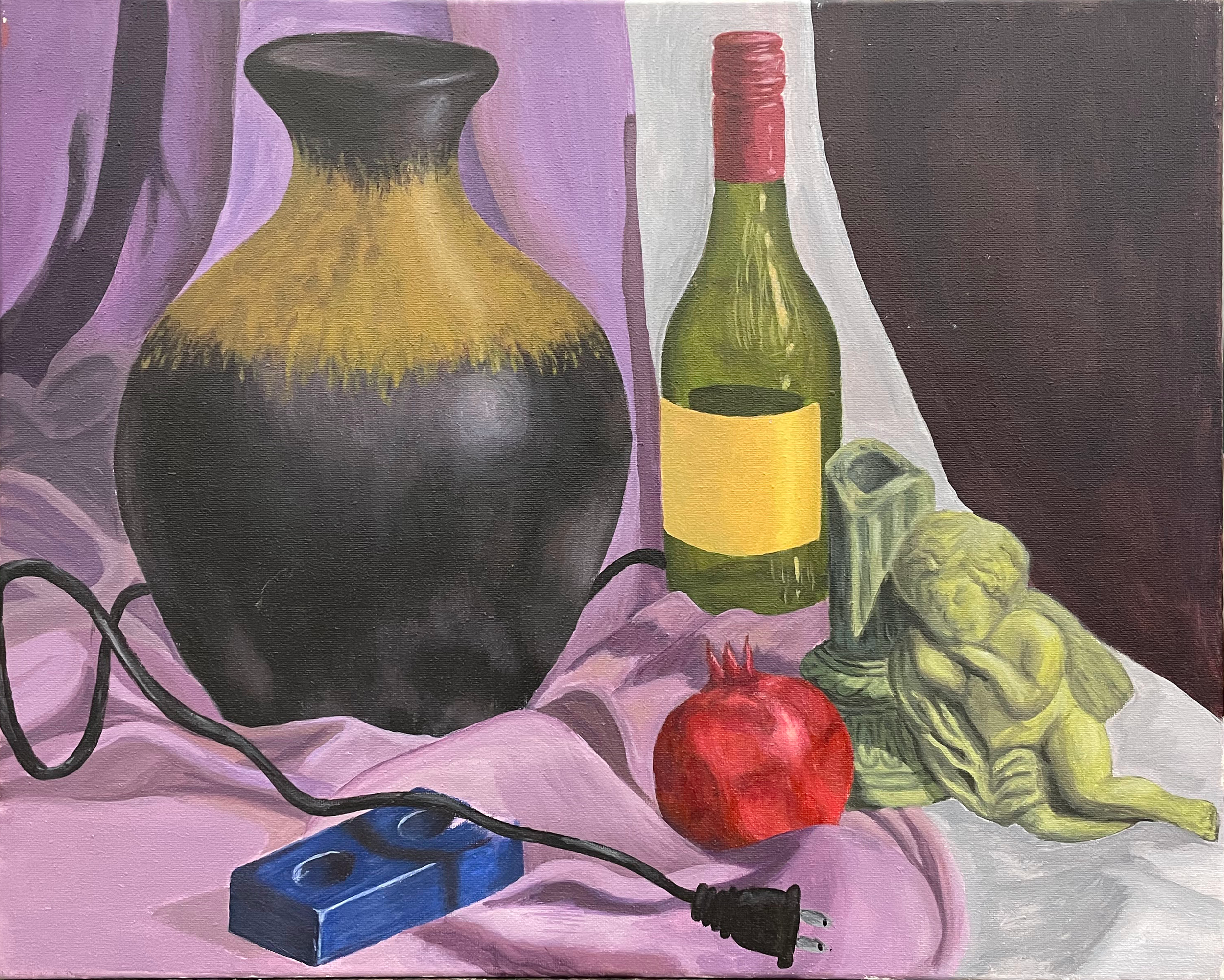
Still-Life Painting (Low-Chroma)
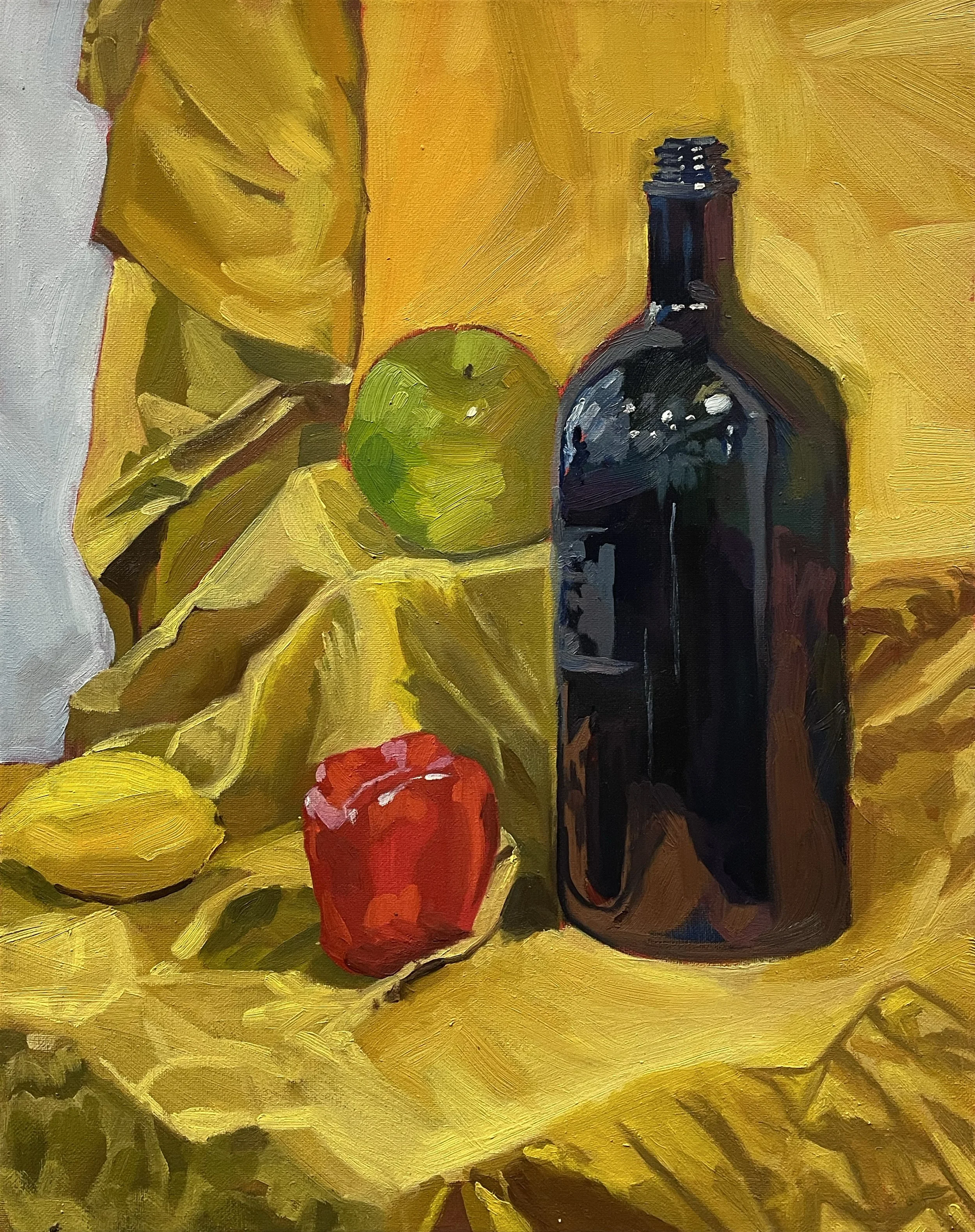
Still-Life Painting (High-Chroma)
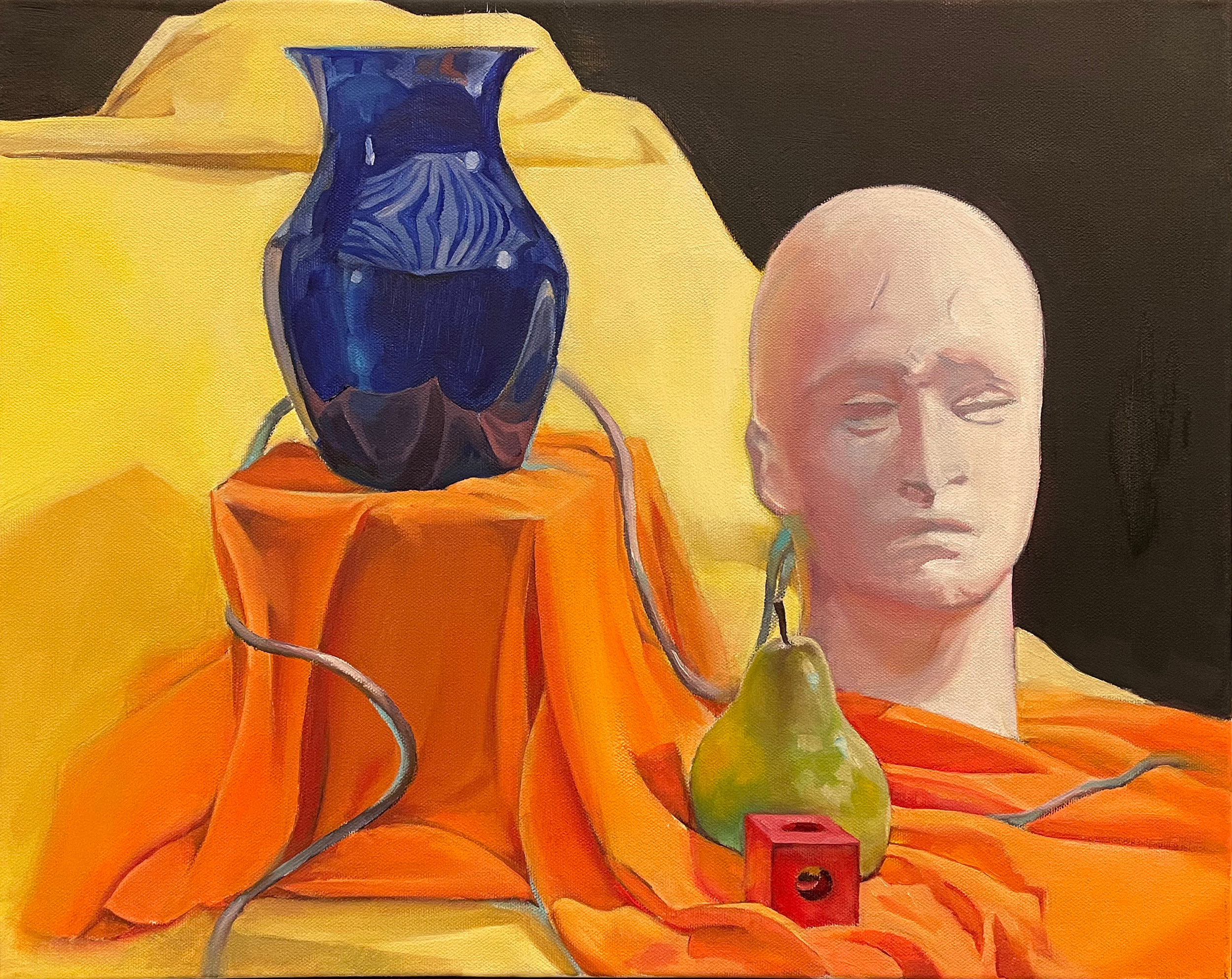
Still-Life Painting (High-Chroma)
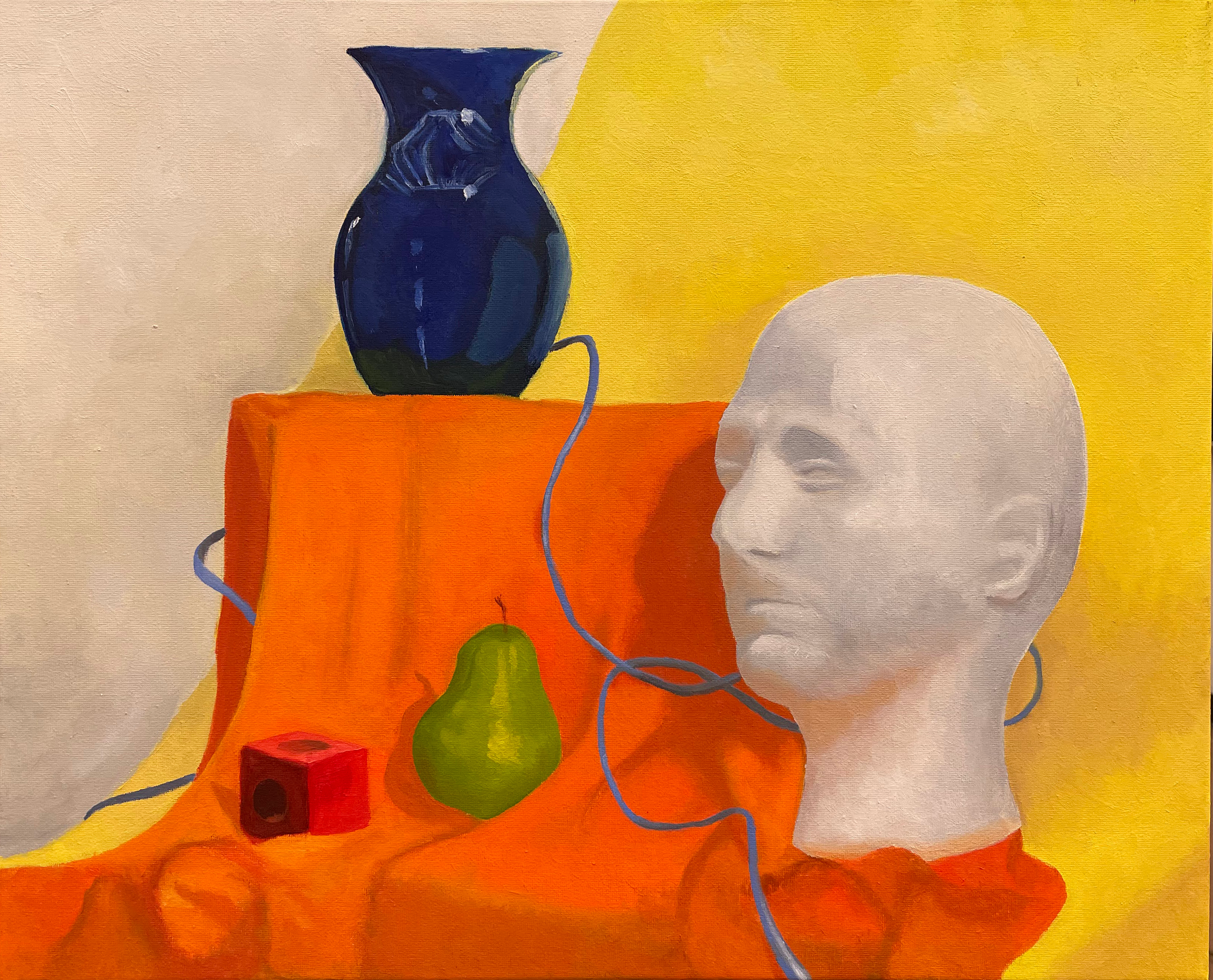
Still-Life Painting (High-Chroma)
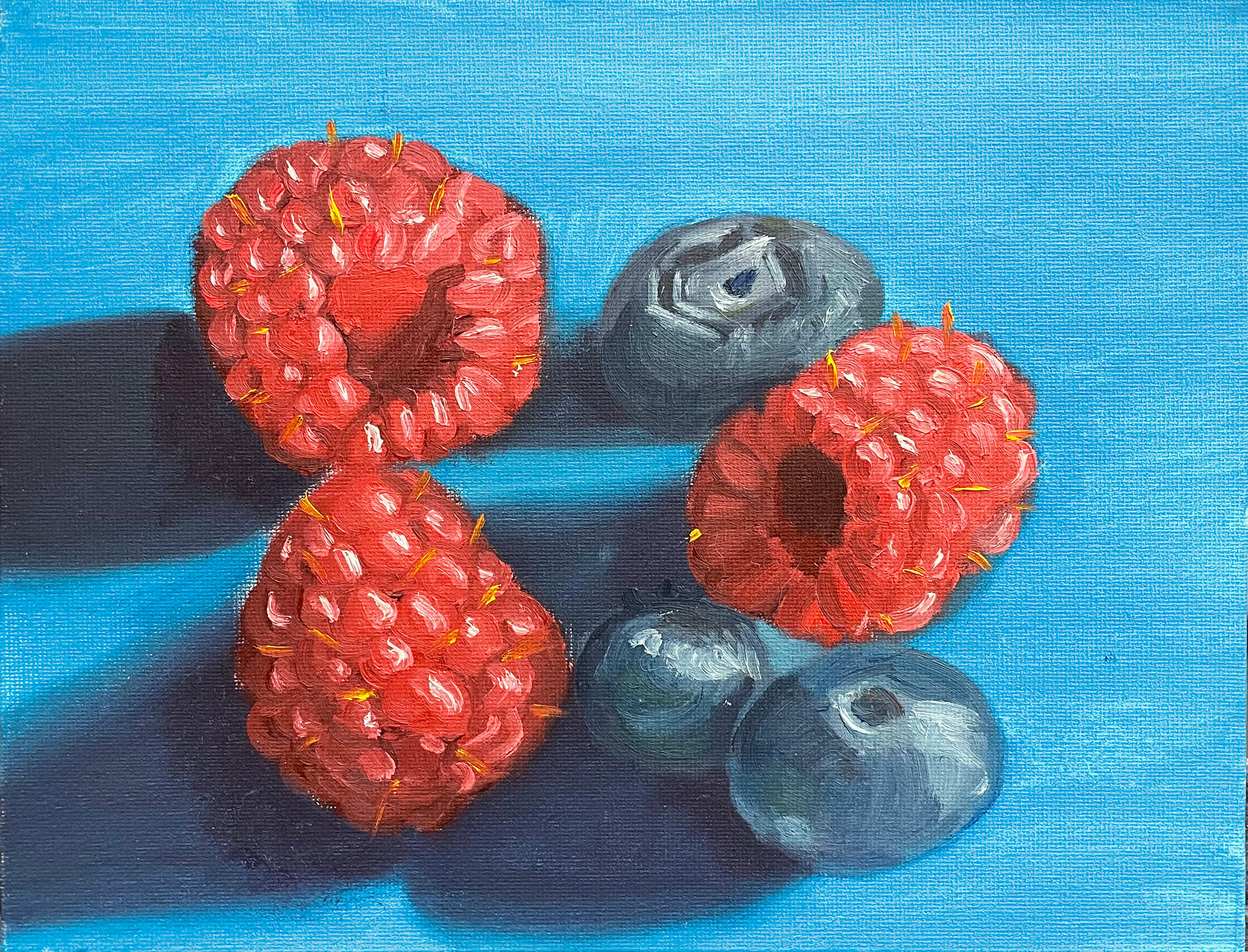
High-Chroma Study
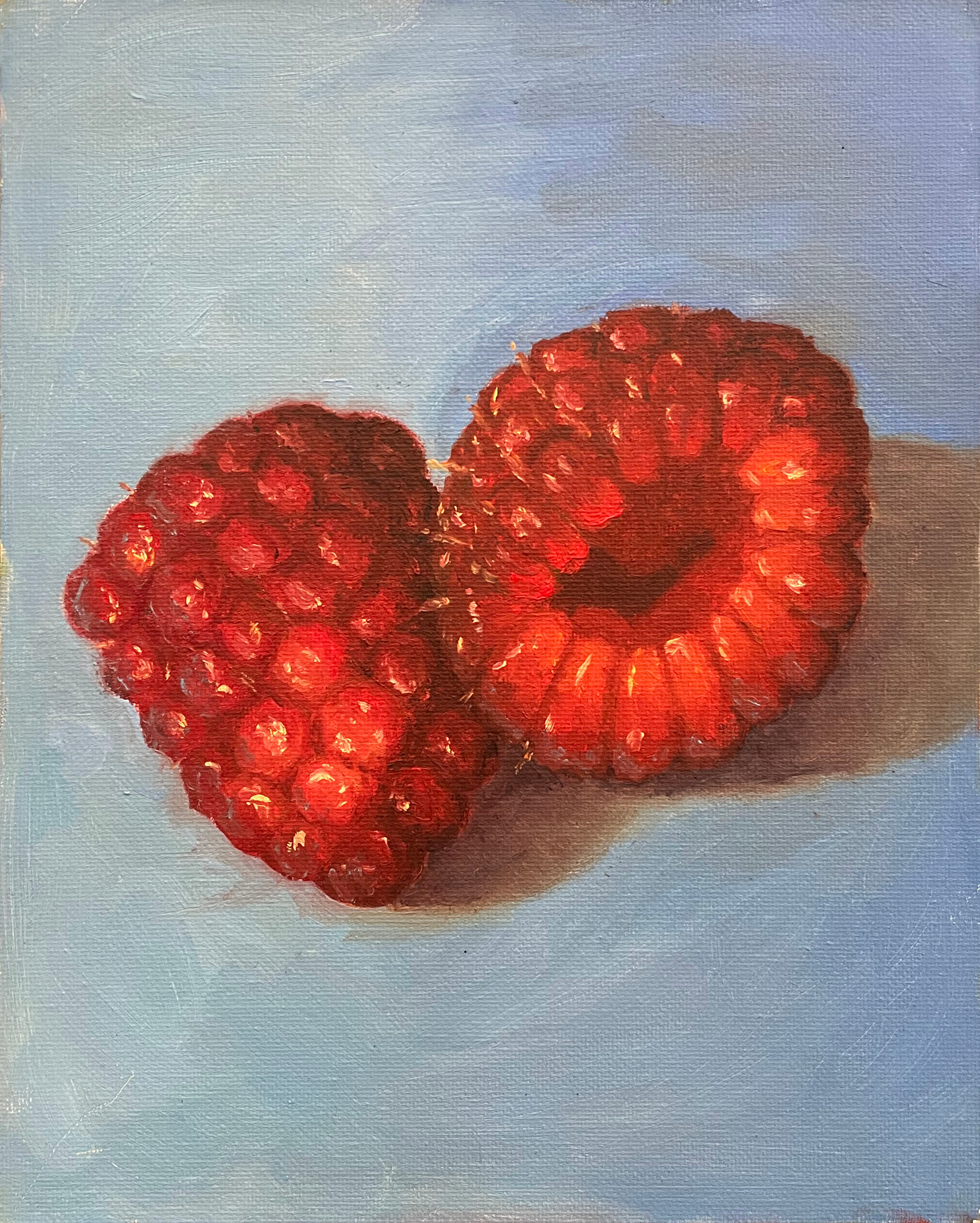
High-Chroma Study
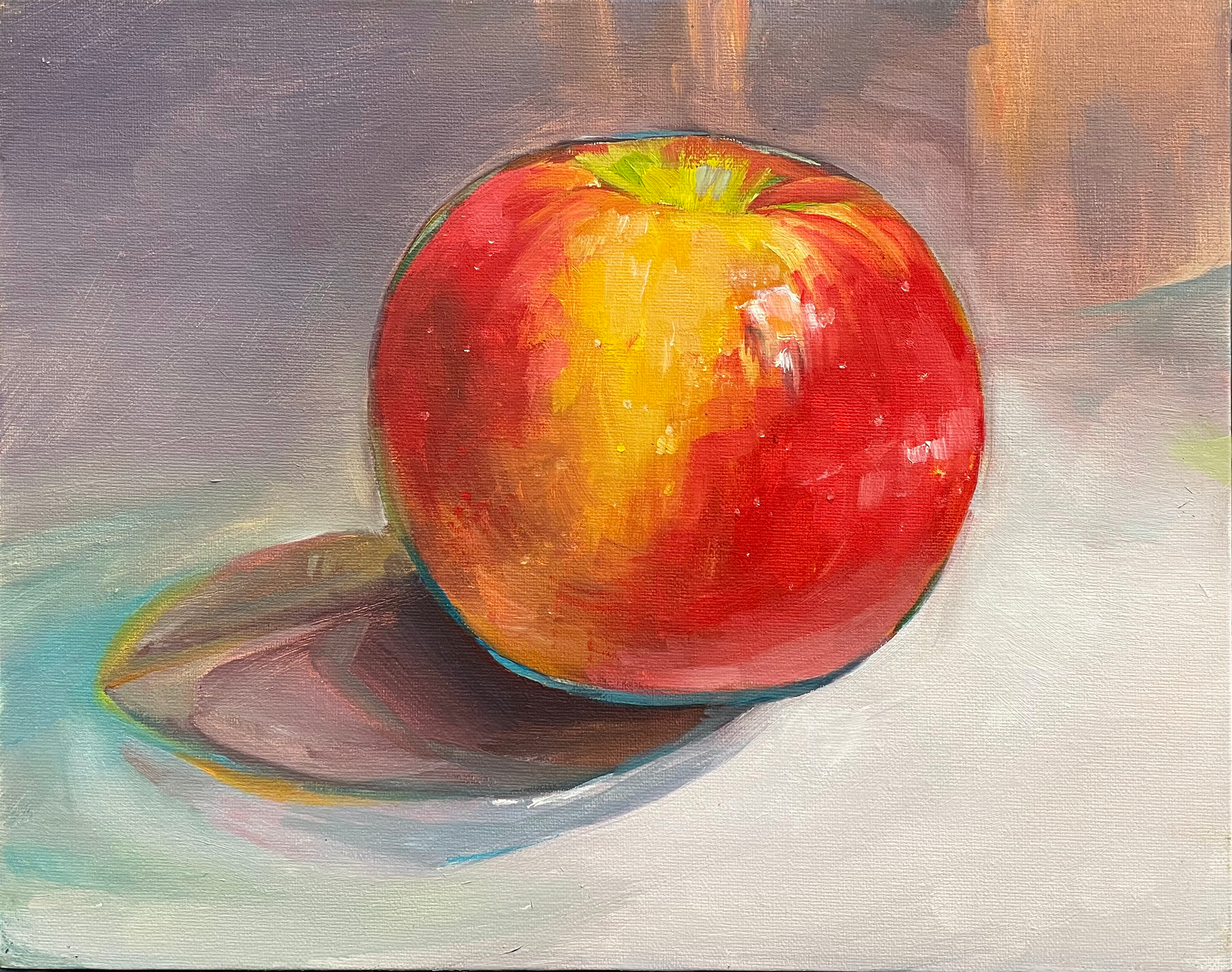
High-Chroma Study
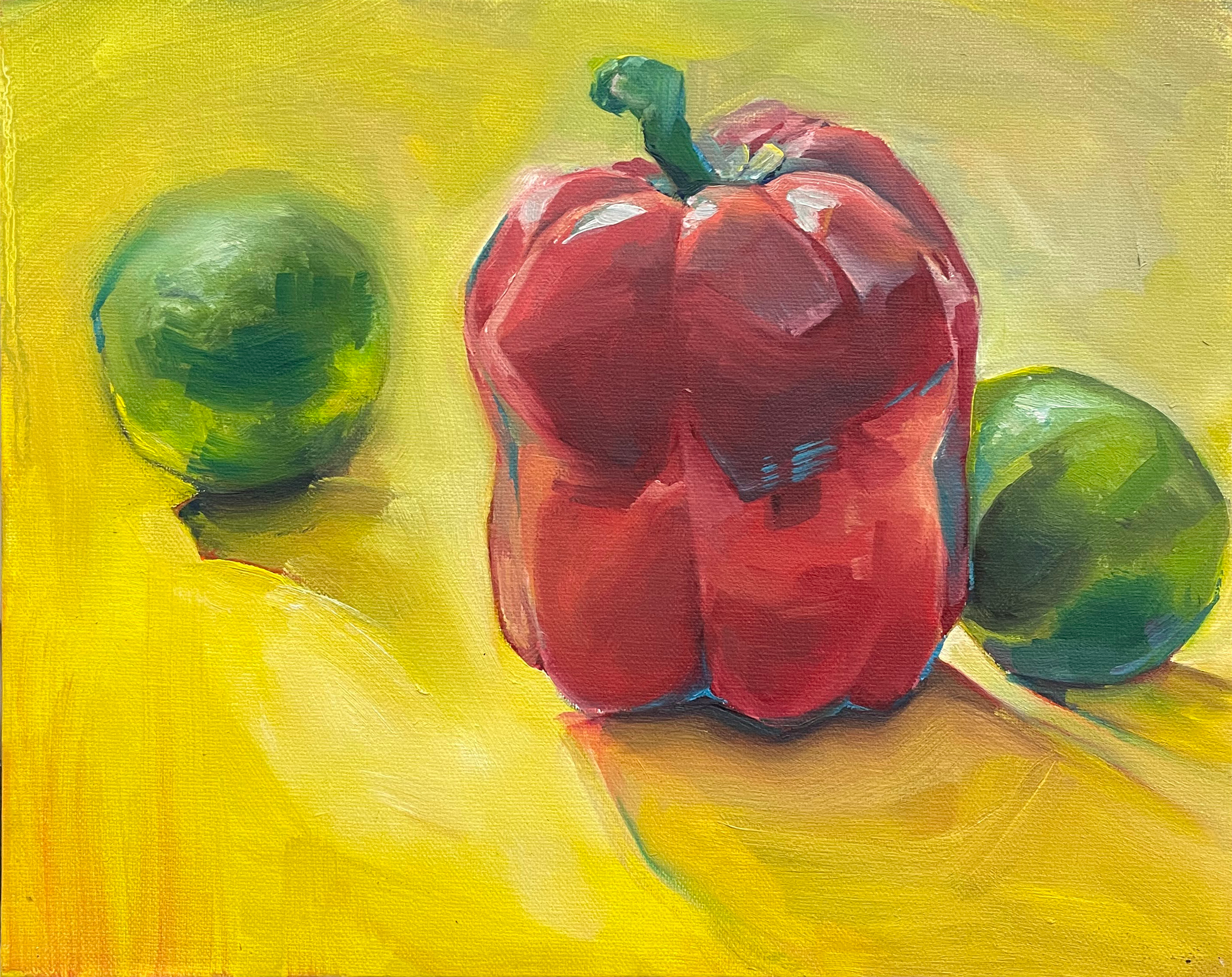
High-Chroma Study
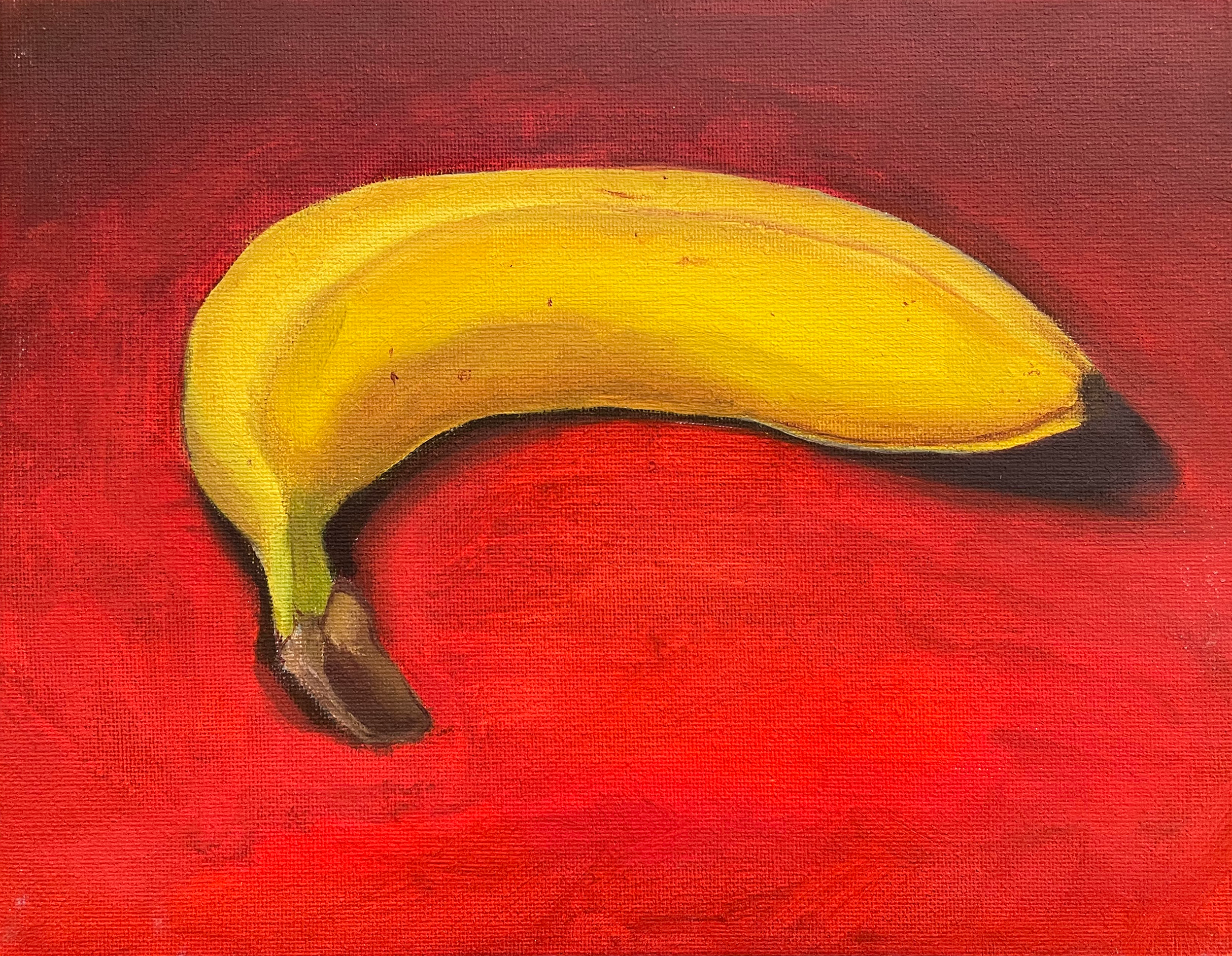
High-Chroma Study
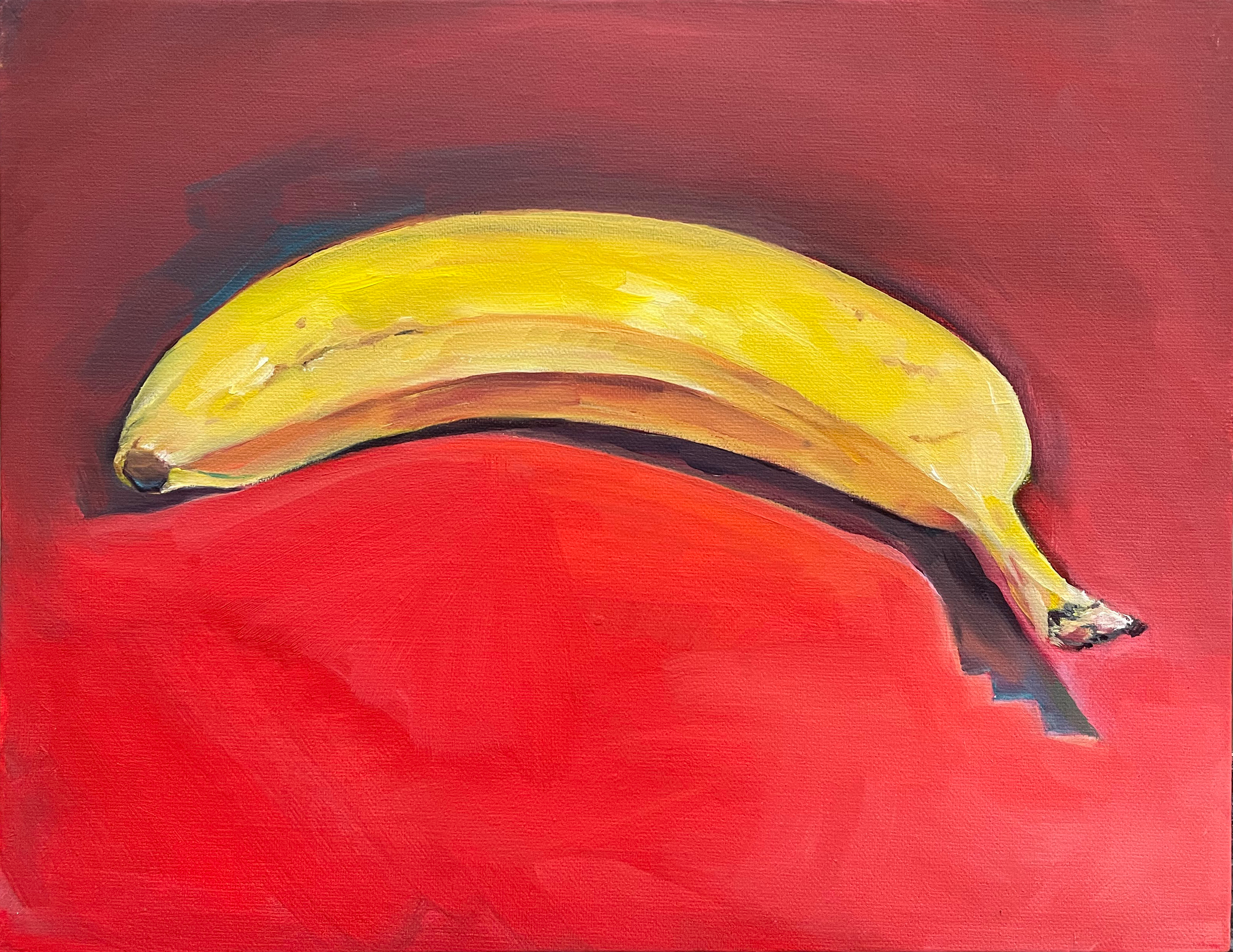
High-Chroma Study
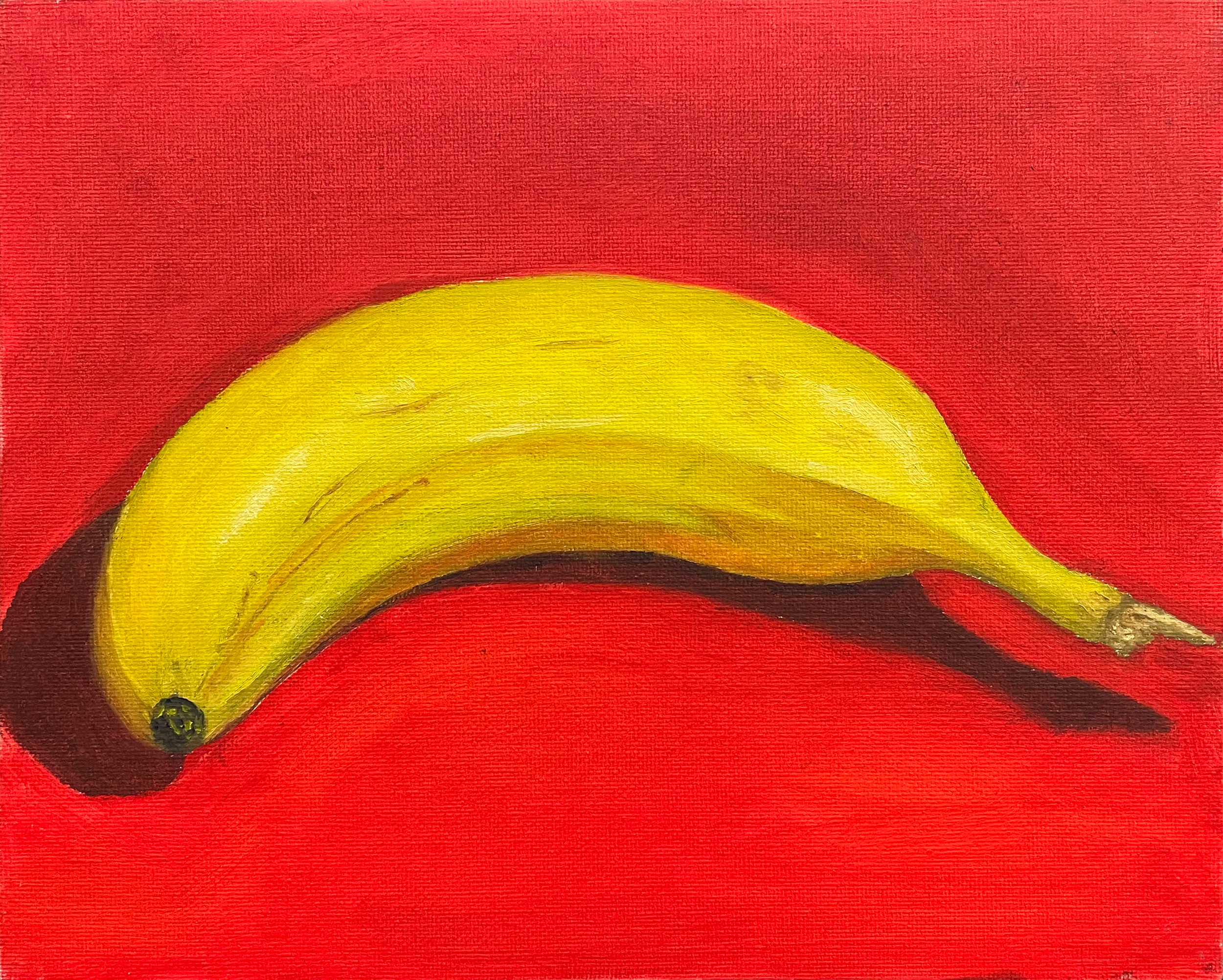
High-Chroma Study