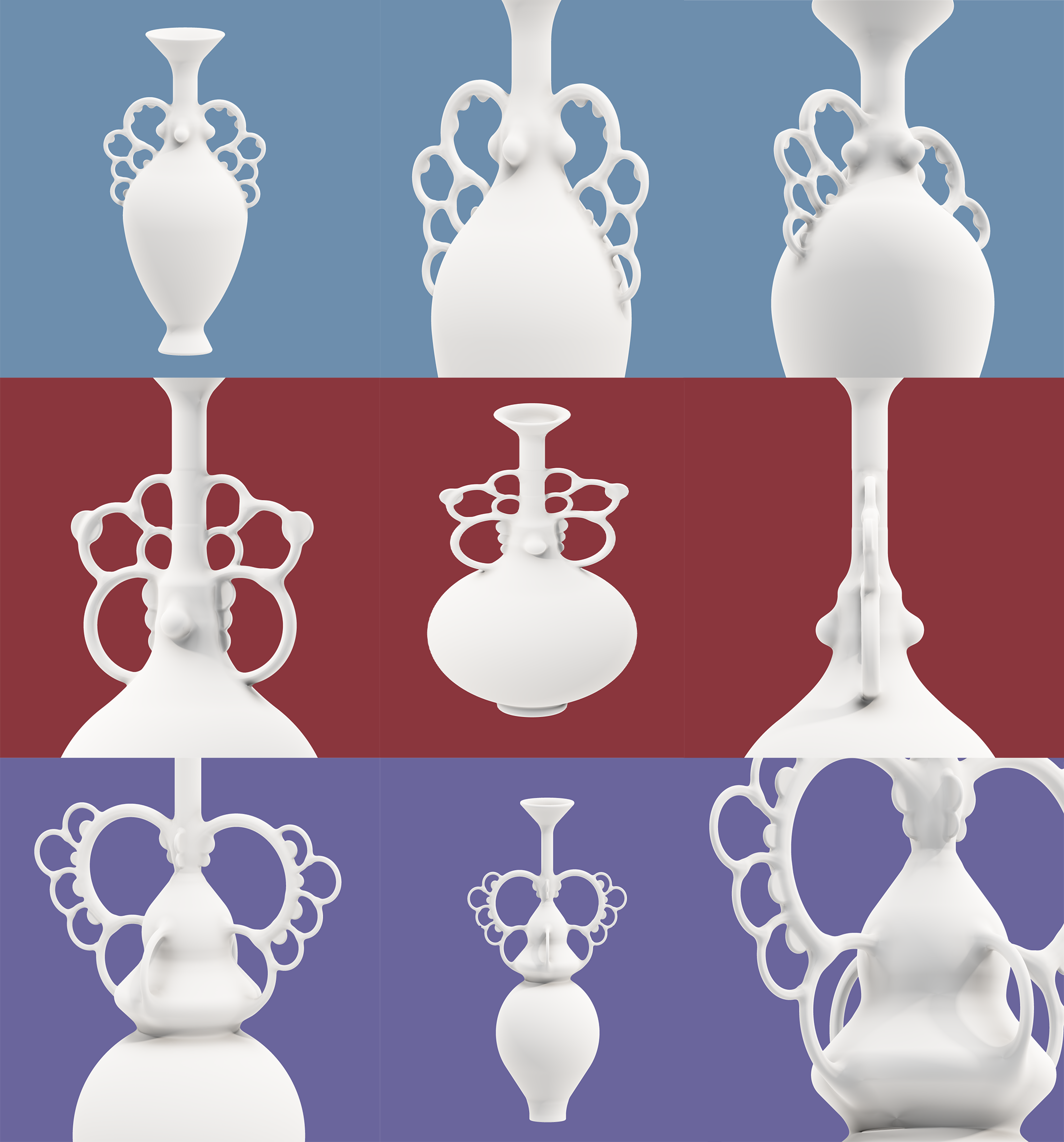
Digital Media: Digital Foundation / Digital Painting
The digital media course builds on an understanding of how digital tools can be approached as an extension of traditional art foundations, particularly hand drawing and painting, rather than as a separate or purely technical practice. My teaching emphasizes continuity between analog and digital processes, framing digital tools as means to extend foundational principles such as composition, value structure, color relationships, and mark-making.
A central question I emphasize throughout the course is why we use digital tools. Rather than treating digital media as a response to technological trends, I introduce digital tools through the same conceptual and visual principles that govern traditional studio practices. Students learn to evaluate digital tools based on how effectively they support artistic intent, visual clarity, and structural decision-making. In this way, digital tools are understood not as shortcuts, but as systems that allow artists to expand and reorganize established working methods.
Within the BFA curriculum, the Digital Foundations course introduces students at the foundational level to the broad possibilities of digital media while encouraging them to build on their existing interests and experiences in drawing and painting. Through three major projects focused on 2D, 3D, and 4D practices, students develop an understanding of contemporary tools used in art and design while grounding their work in fundamental visual principles.
In the Digital Painting course, projects are structured to foreground principles already familiar from traditional painting, such as layering, value hierarchy, color interaction, and surface development, while translating these concepts into a digital environment. Students actively engage with core digital features such as layers, blending modes, and image editing, always in relation to their function within a painterly process. Each class includes focused exercises and demonstrations aligned with the topic of the day, encouraging students to move beyond habitual tool use and to understand how digital functions operate conceptually as well as technically.
This approach allows students to develop technical proficiency in digital tools while maintaining a strong connection to foundational art principles, supporting a cohesive and adaptable studio practice across both traditional and digital media.
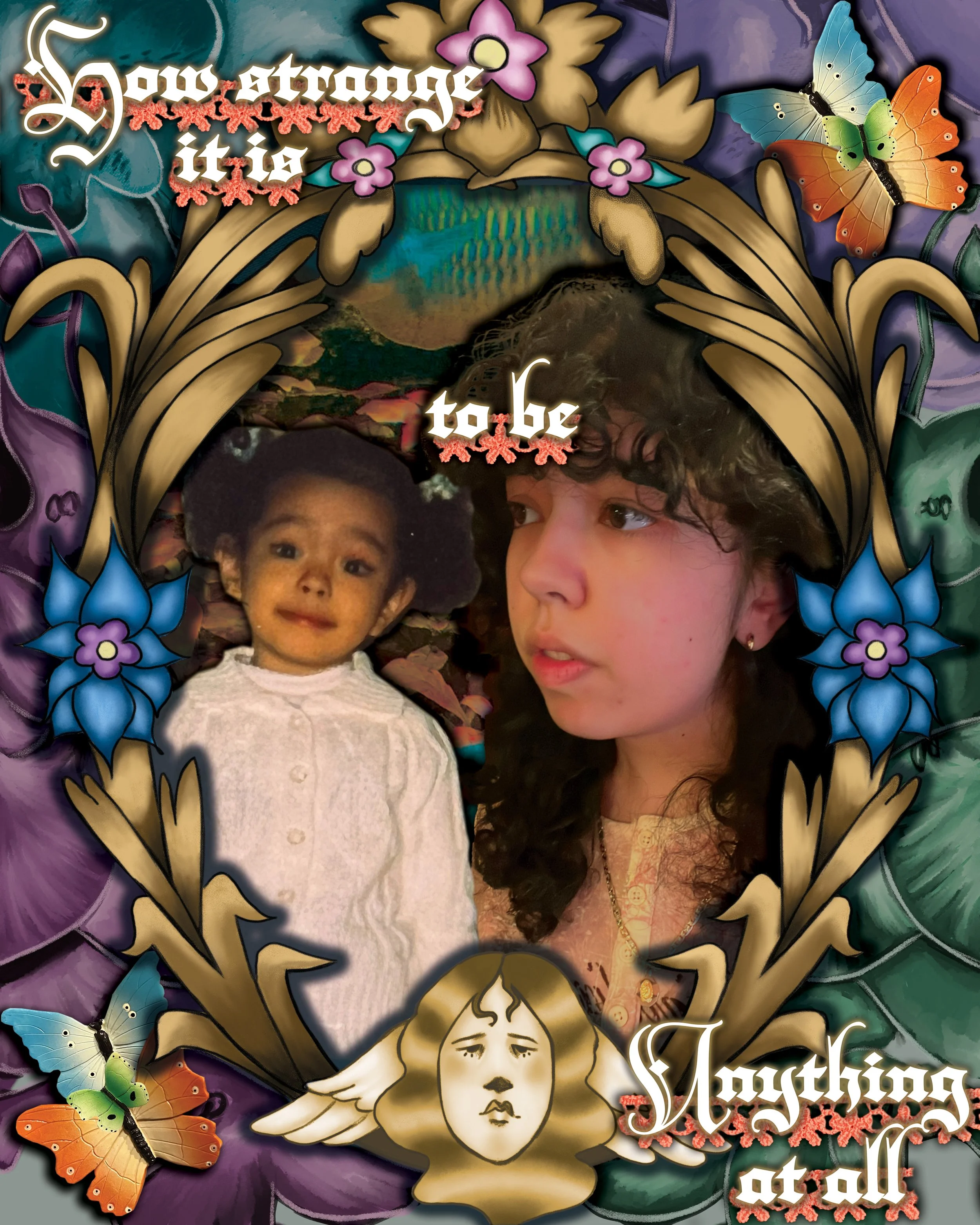
Digital Foundation: 2D Digital Collage Poster
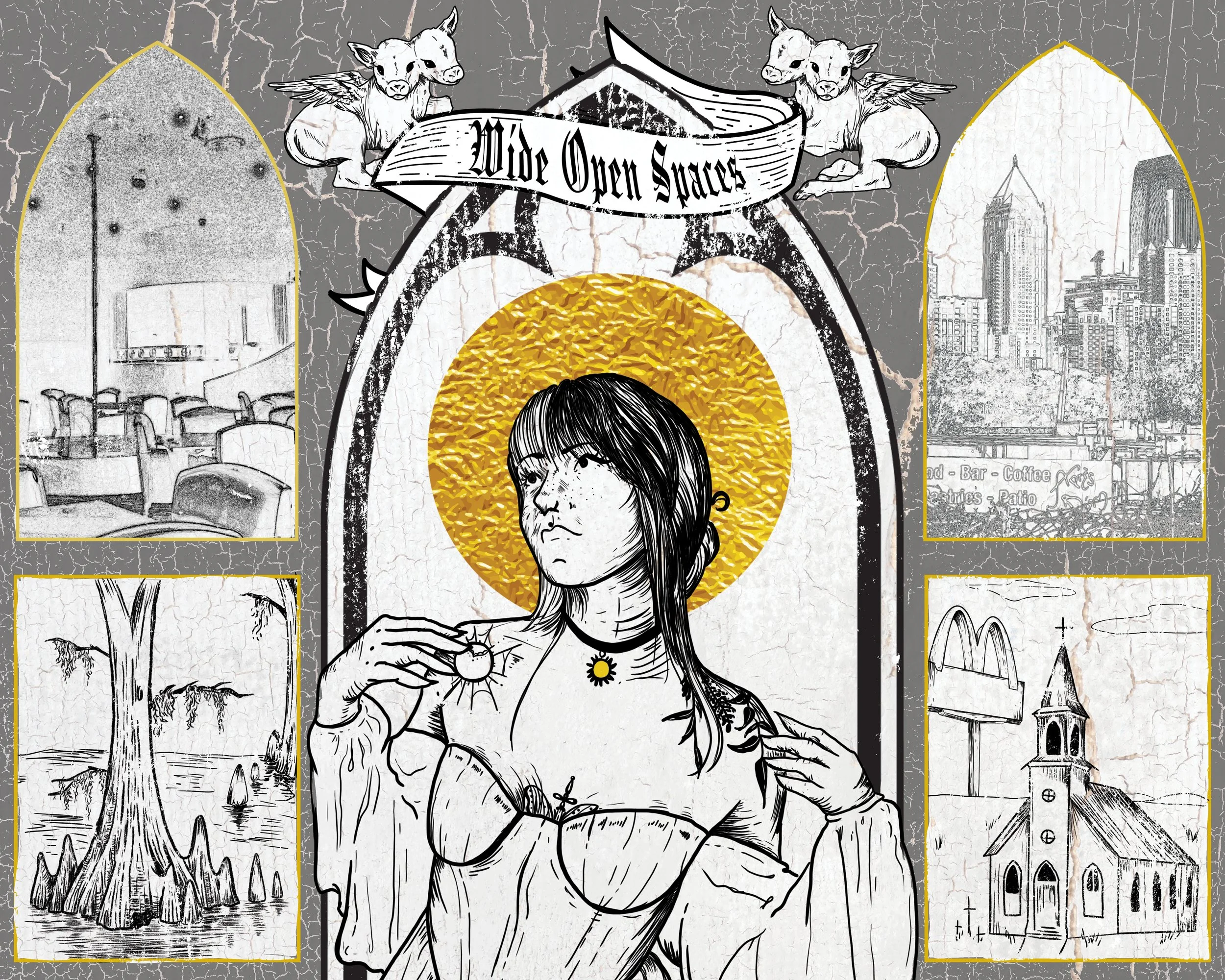
Digital Foundation: 2D Digital Collage Poster

Digital Foundation: 2D Digital Collage Poster

Digital Foundation: 2D Digital Collage Poster
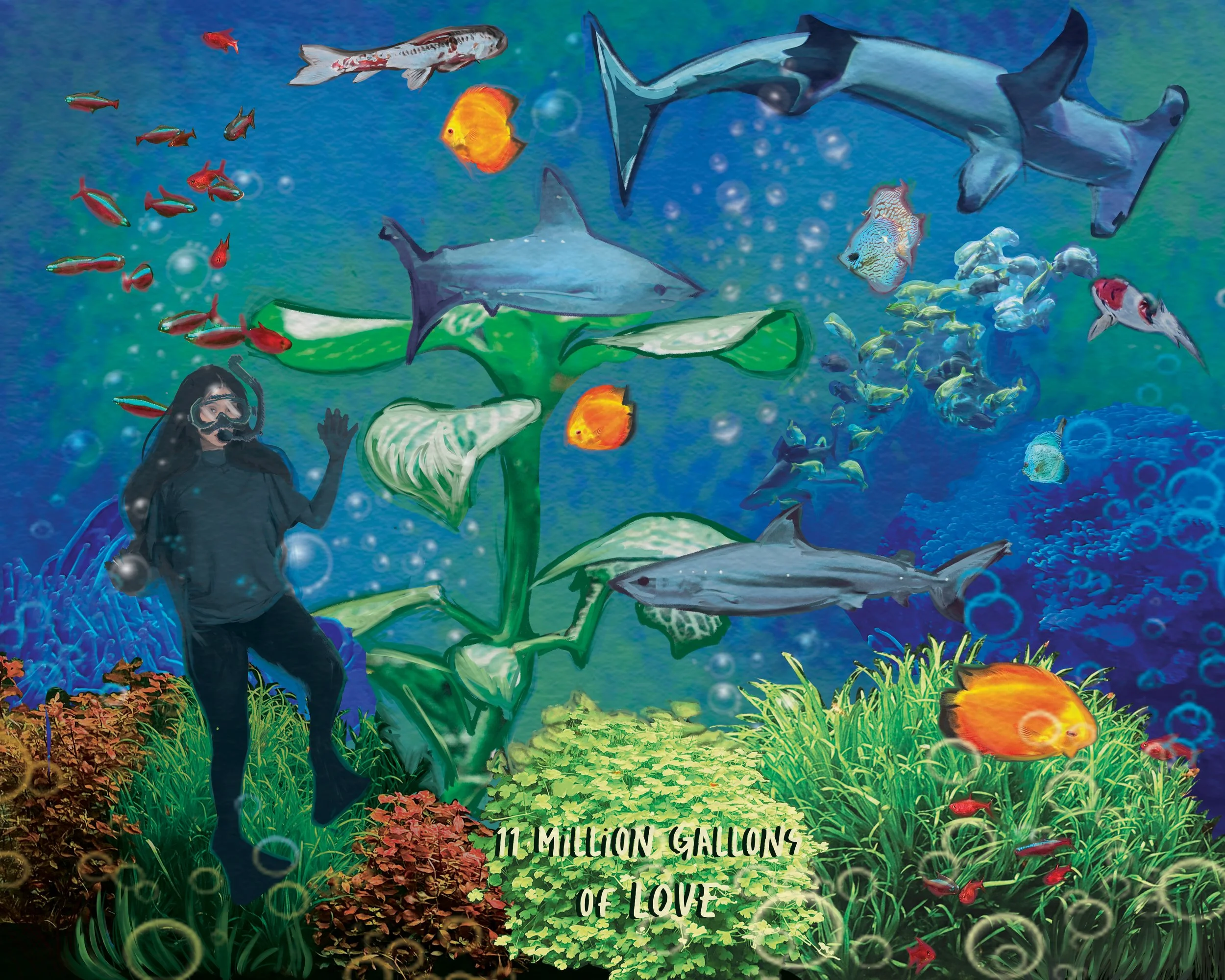
Digital Foundation: 2D Digital Collage Poster
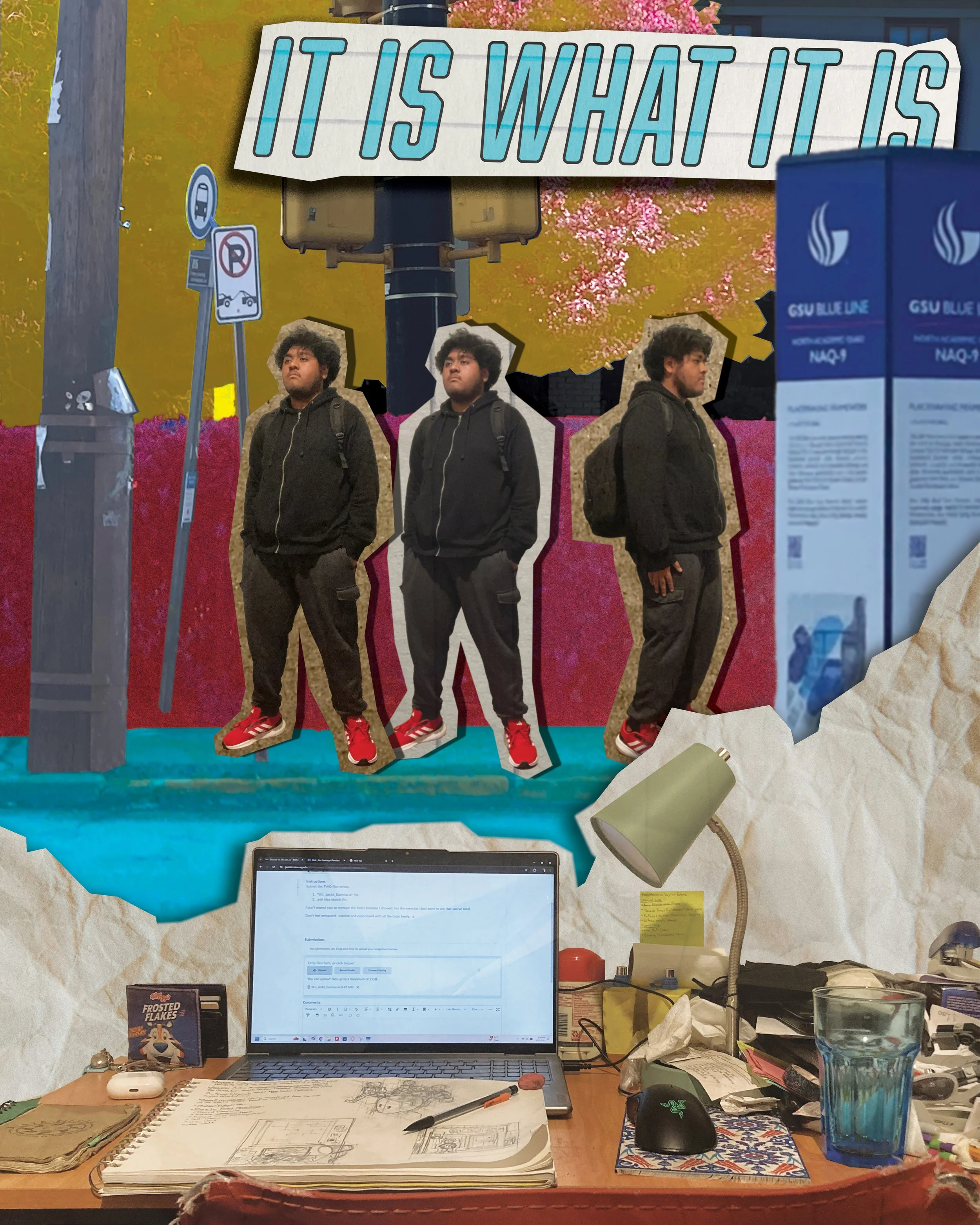
Digital Foundation: 2D Digital Collage Poster
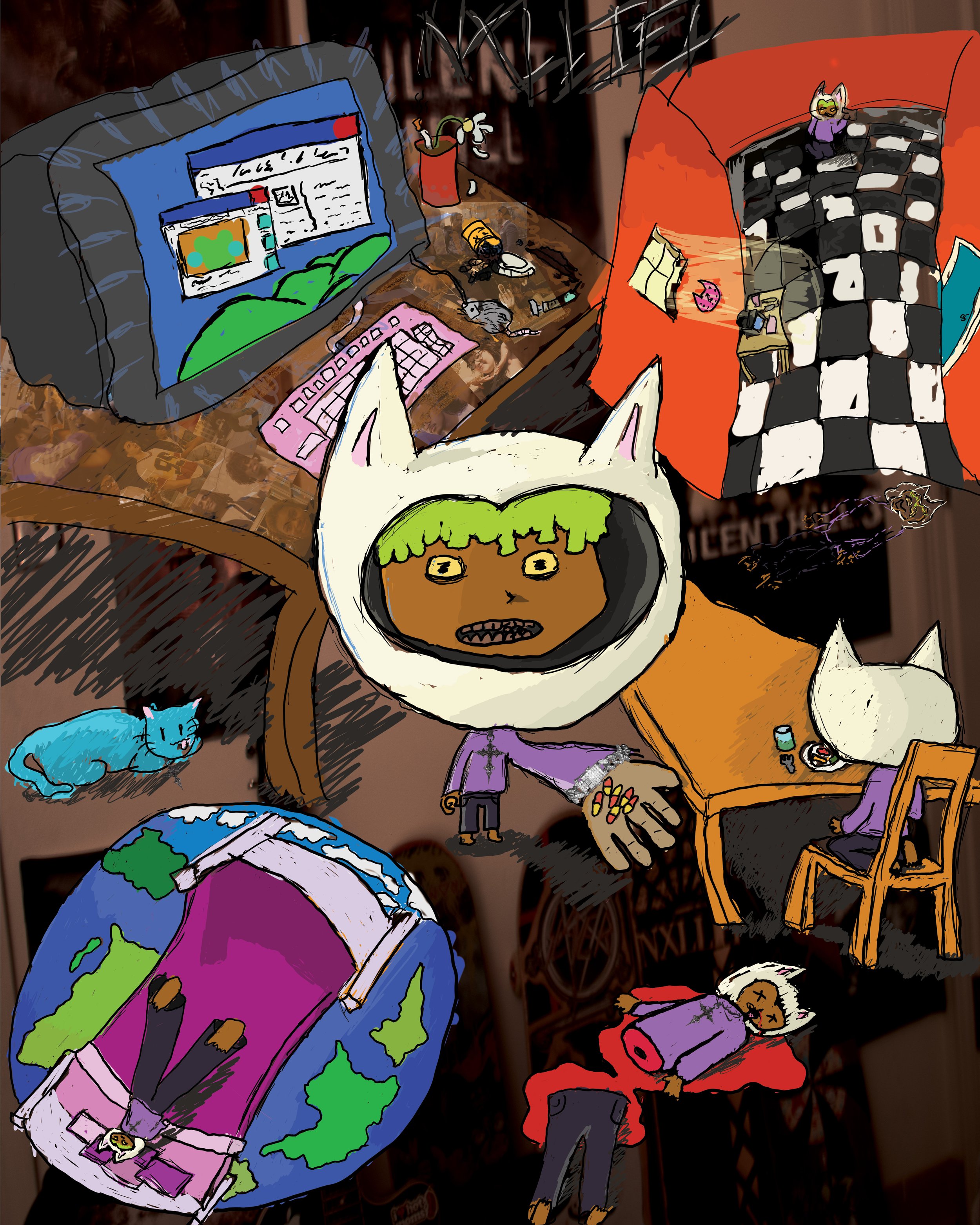
Digital Foundation: 2D Digital Collage Poster
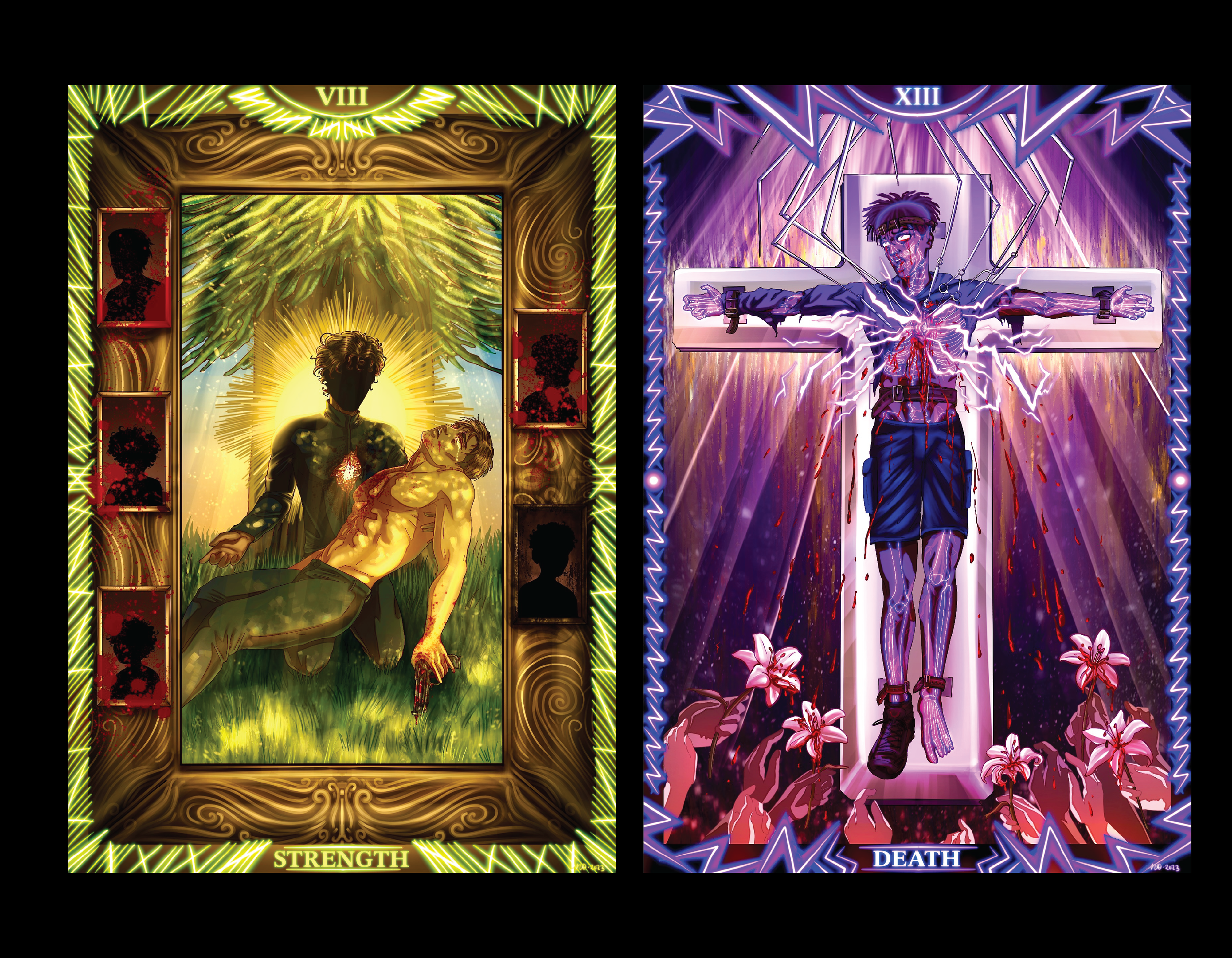
Digital Painting: Final
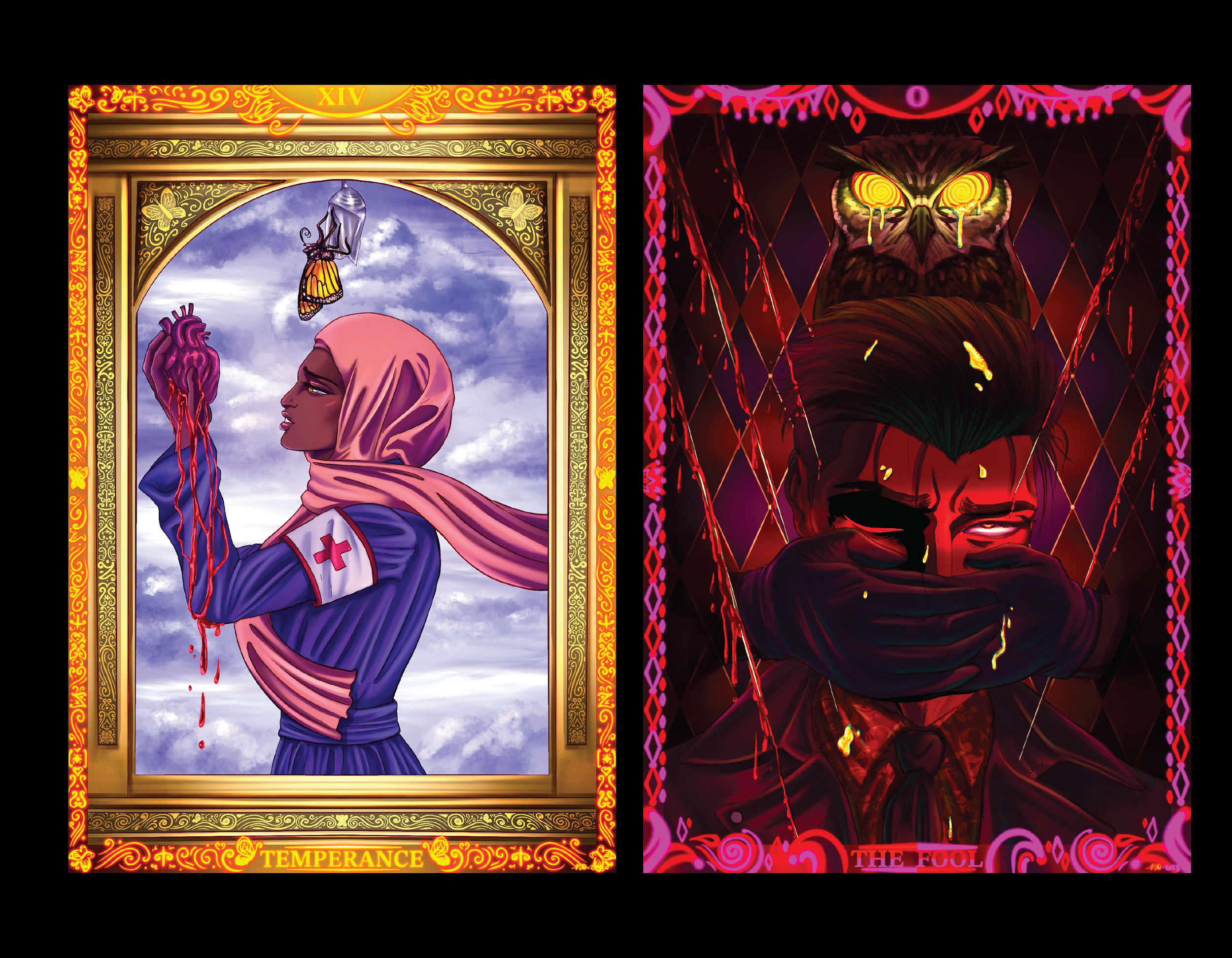
Digital Painting: Final
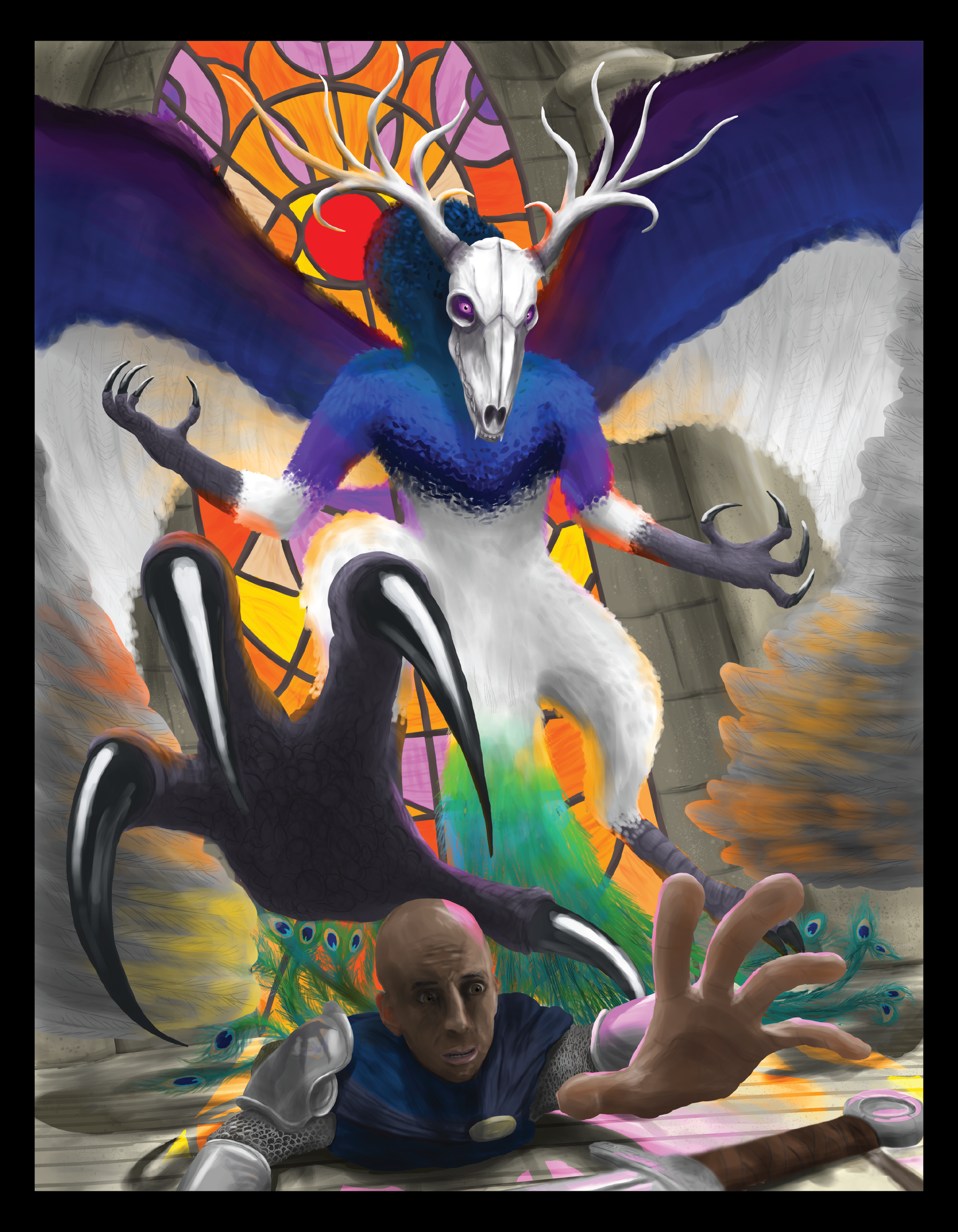
Digital Painting: Final
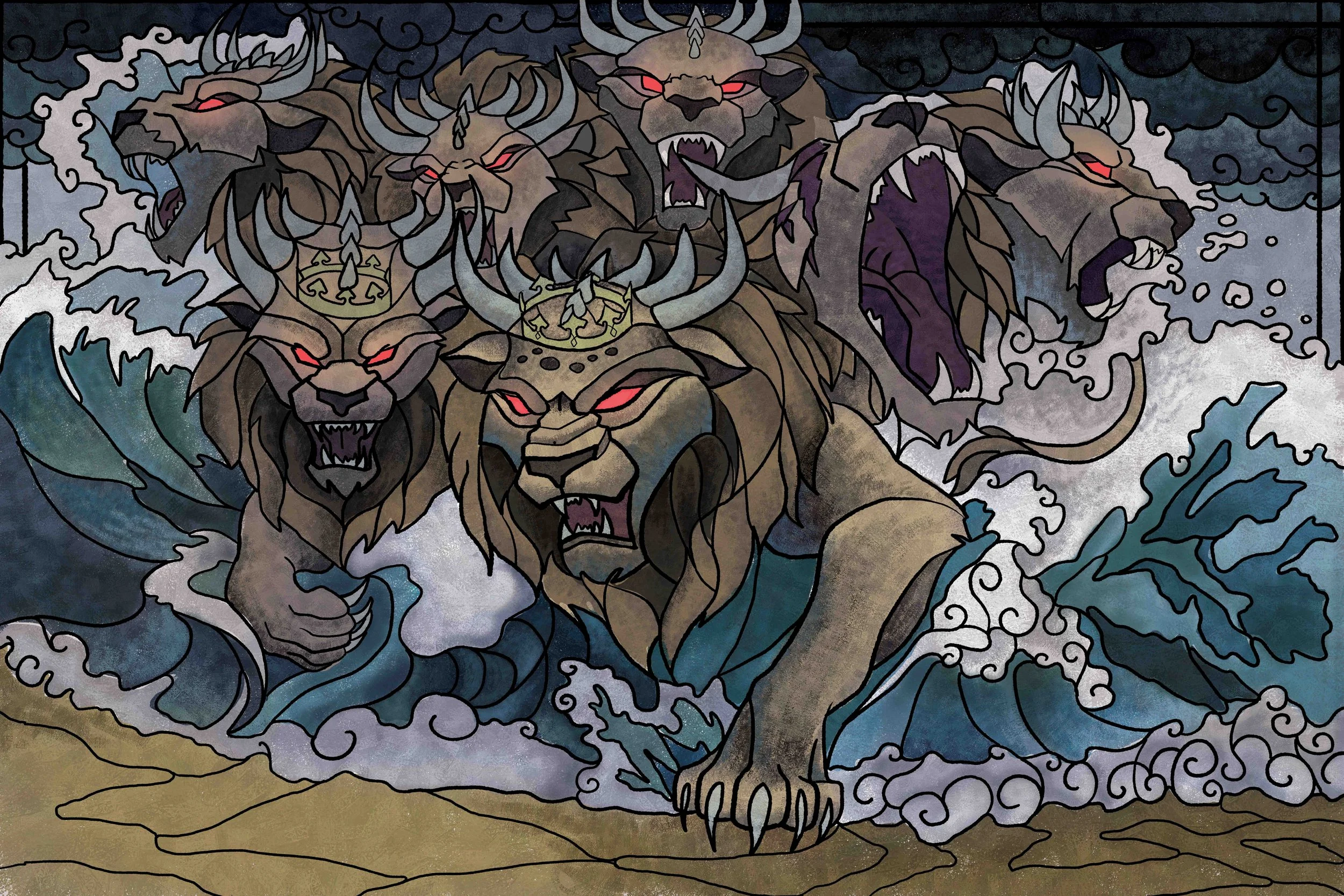
Digital Painting: Capstone Work

Digital Painting: Final
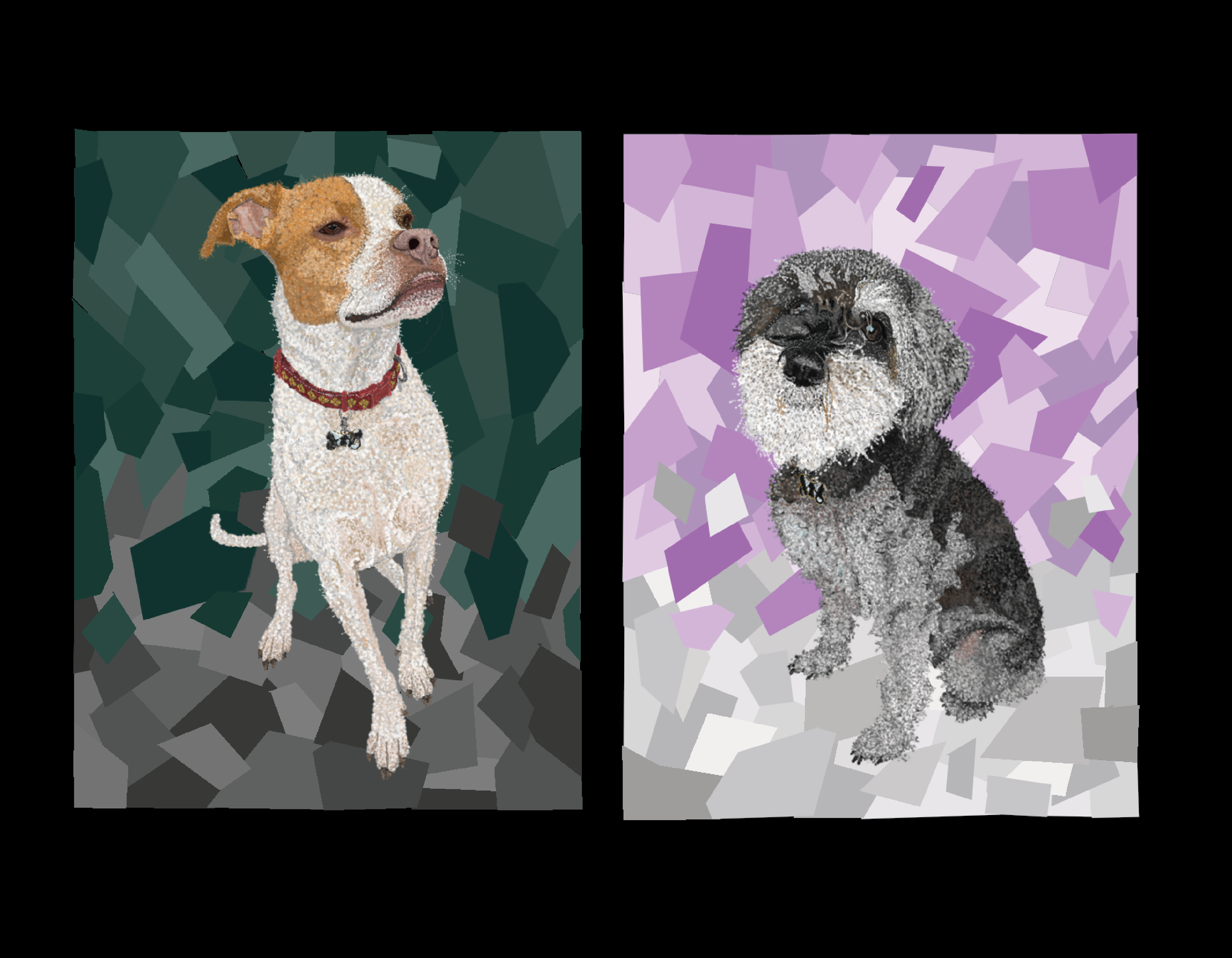
Digital Painting: Final

Digital Painting: Final

Digital Painting: Final

Digital Painting: Still-Life (Three Objects)
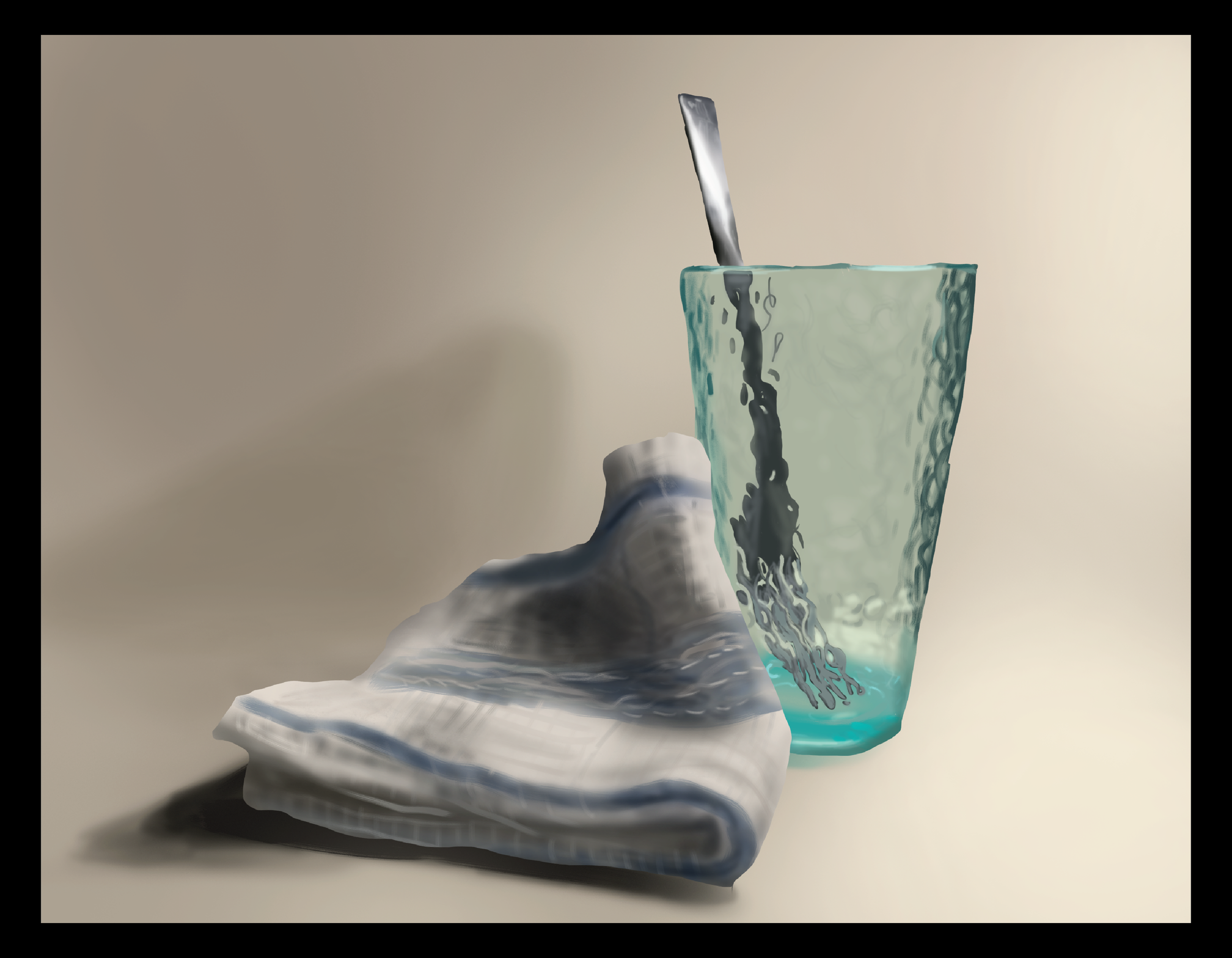
Digital Painting: Still-Life (Three Objects)
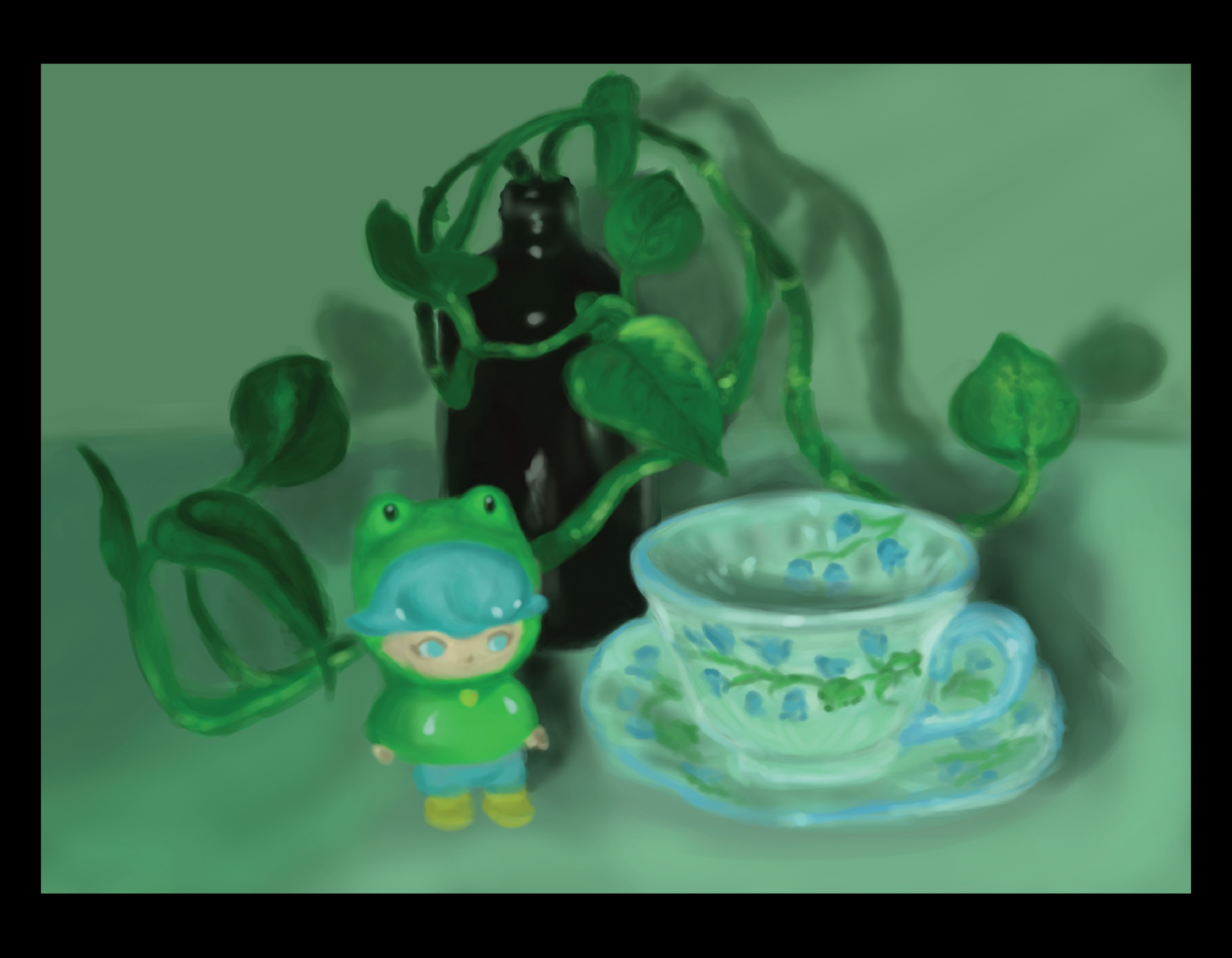
Digital Painting: Still-Life (Three Objects)

Digital Painting: Still-Life (Three Objects)

Digital Painting: Still-Life (Three Objects)

Digital Painting: Still-Life (Three Objects)
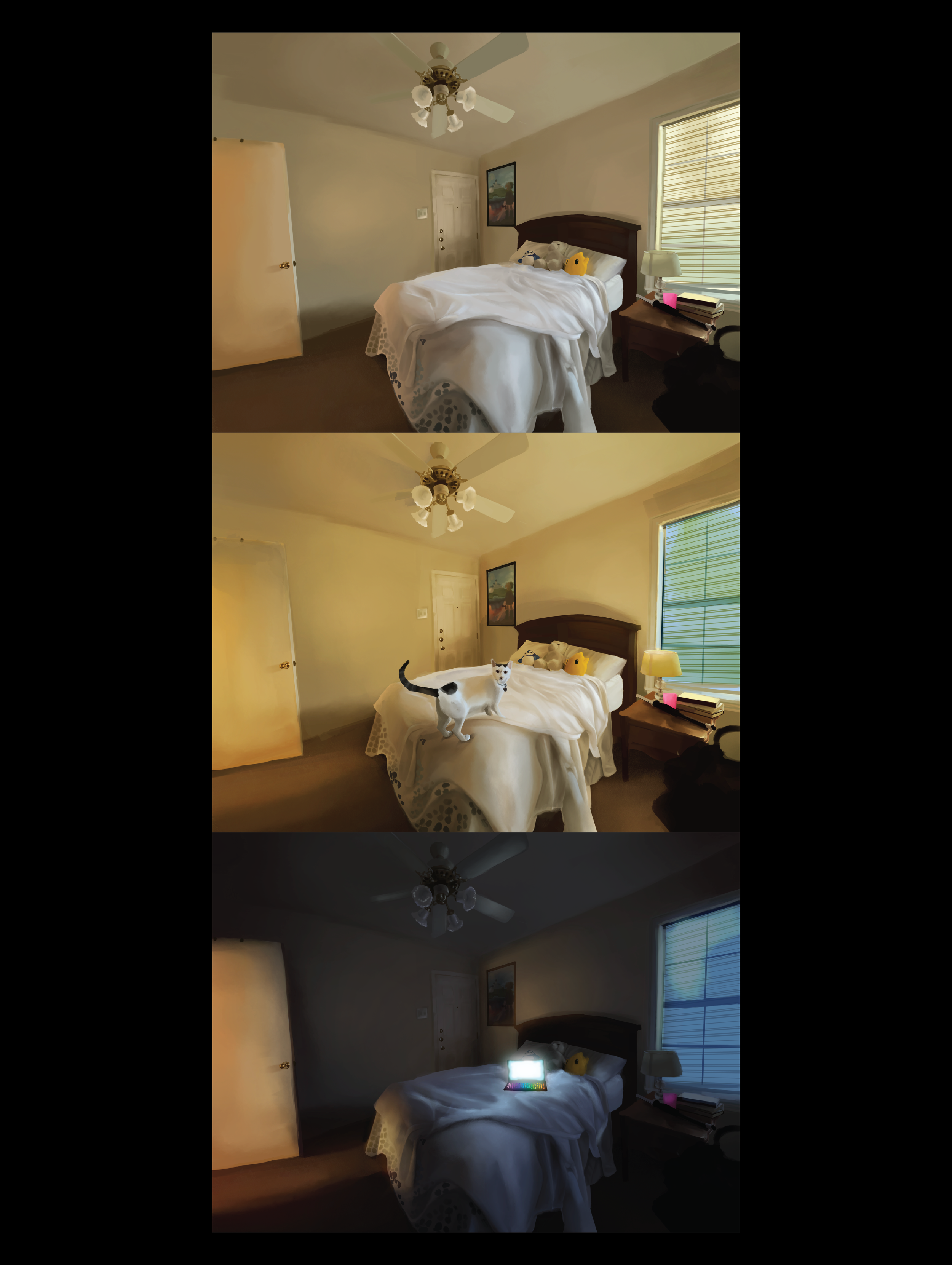
Digital Painting: Three different time periods (Blend Mode)
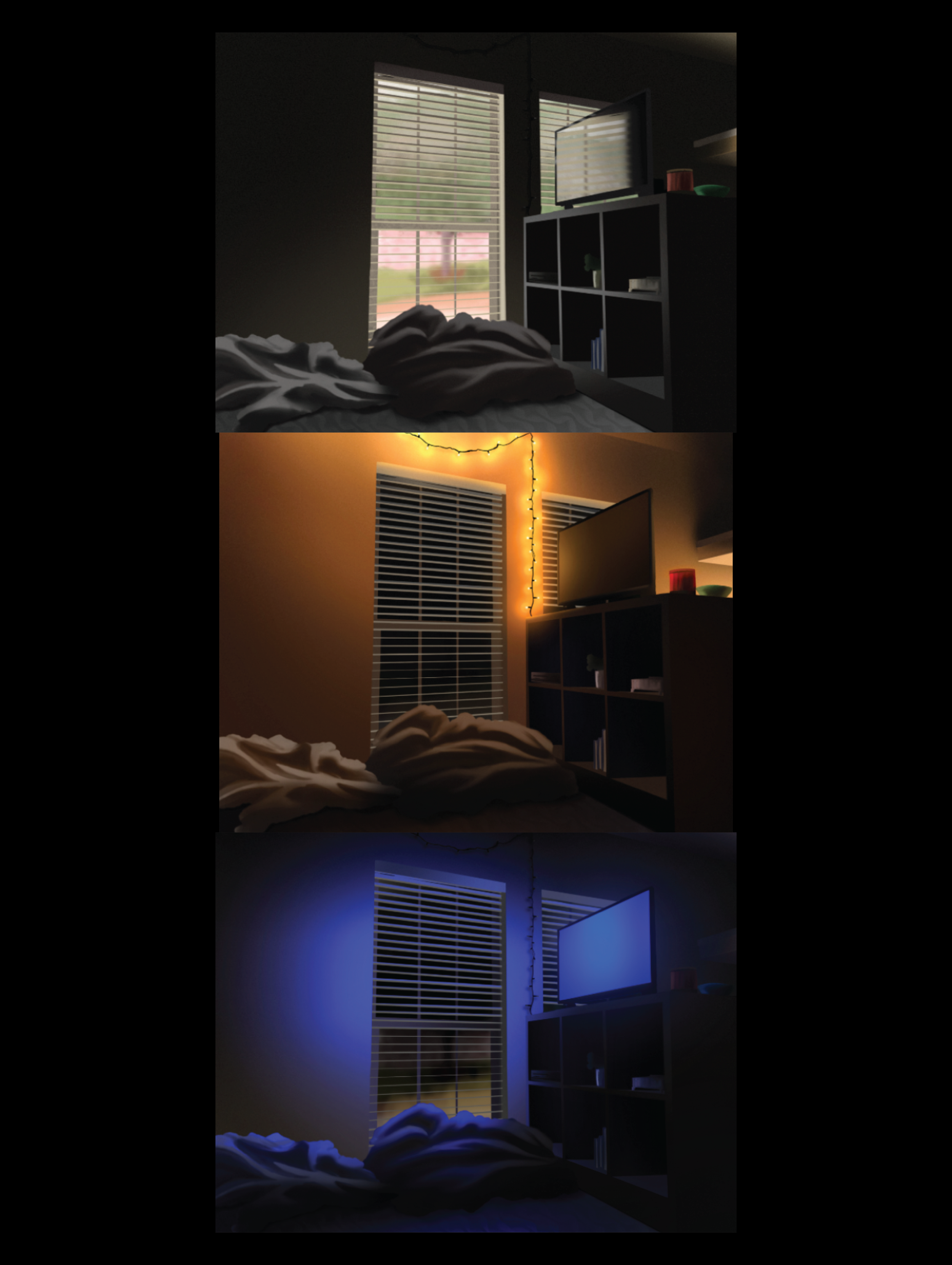
Digital Painting: Three different time periods (Blend Mode)
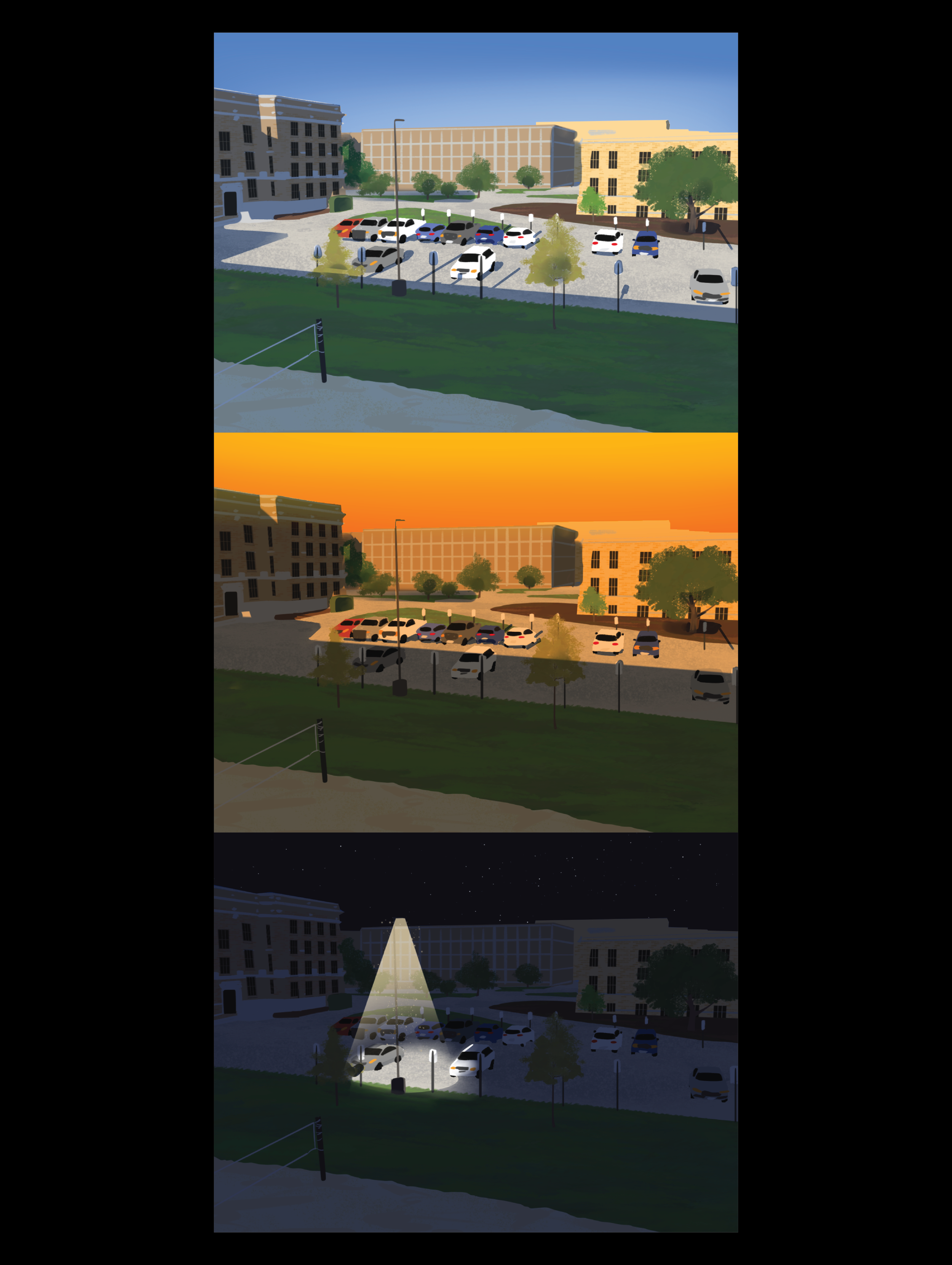
Digital Painting: Three different time periods (Blend Mode)
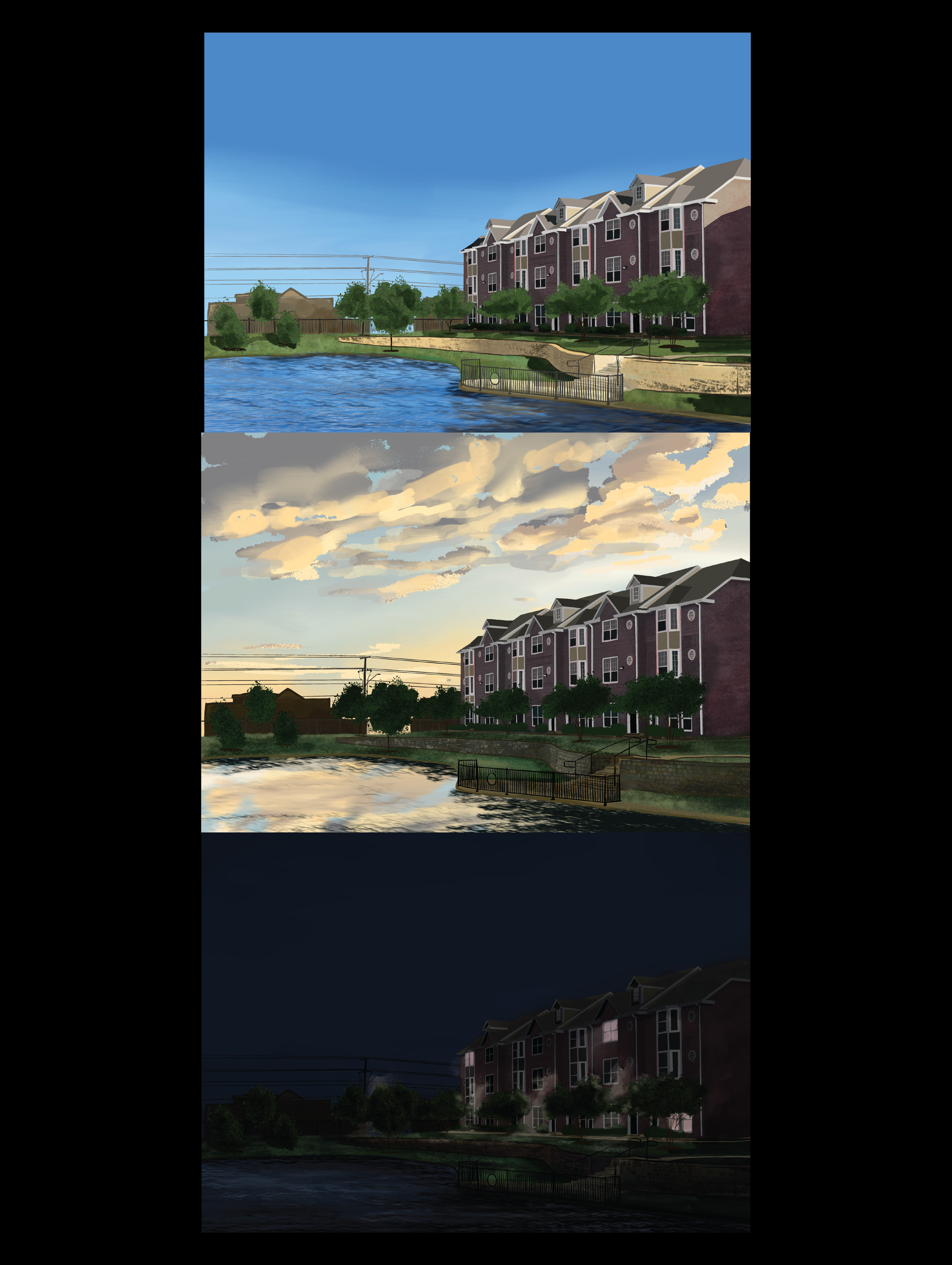
Digital Painting: Three different time periods (Blend Mode)
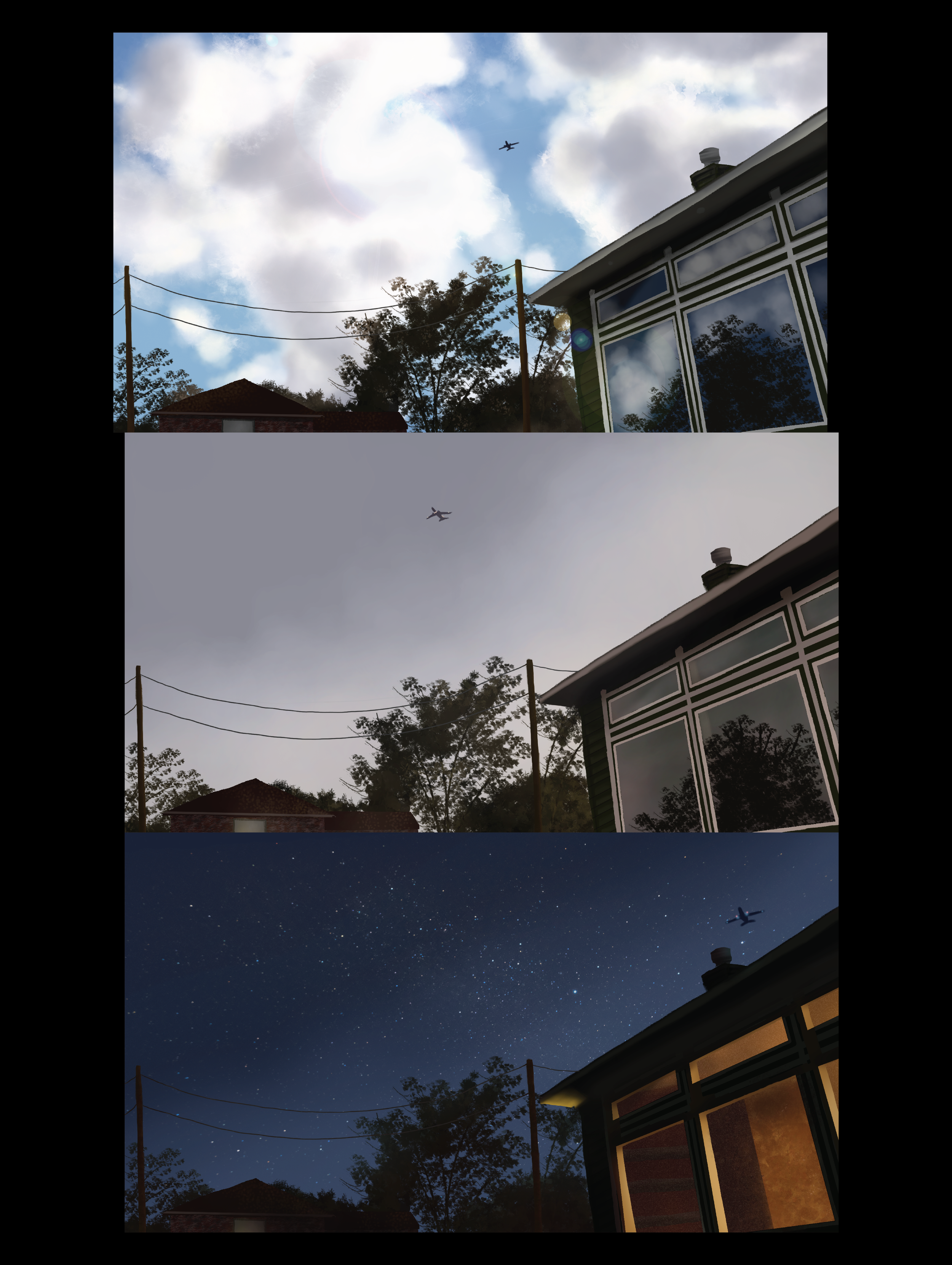
Digital Painting: Three different time periods (Blend Mode)

Digital Painting: Self-Portrait
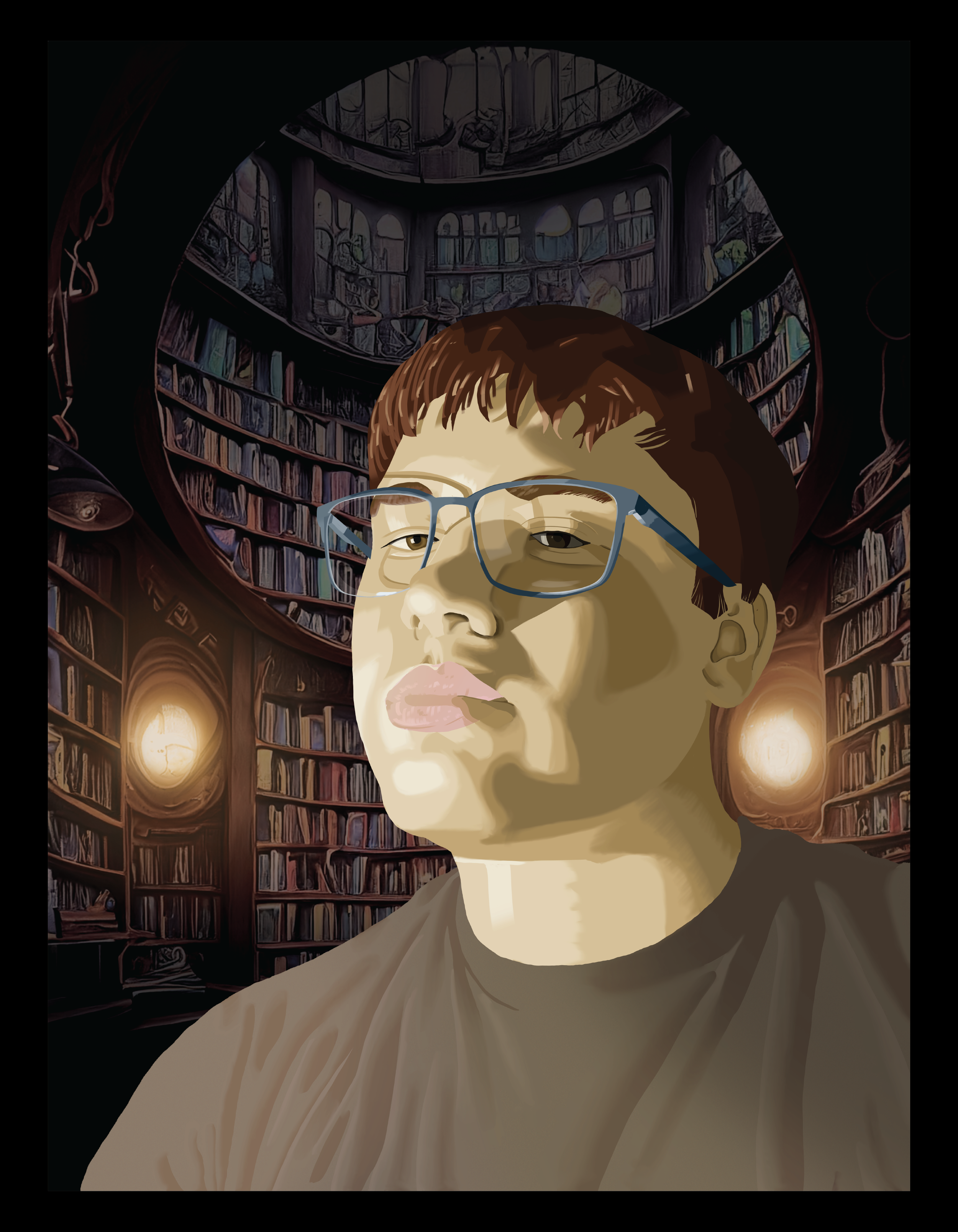
Digital Painting: Self-Portrait
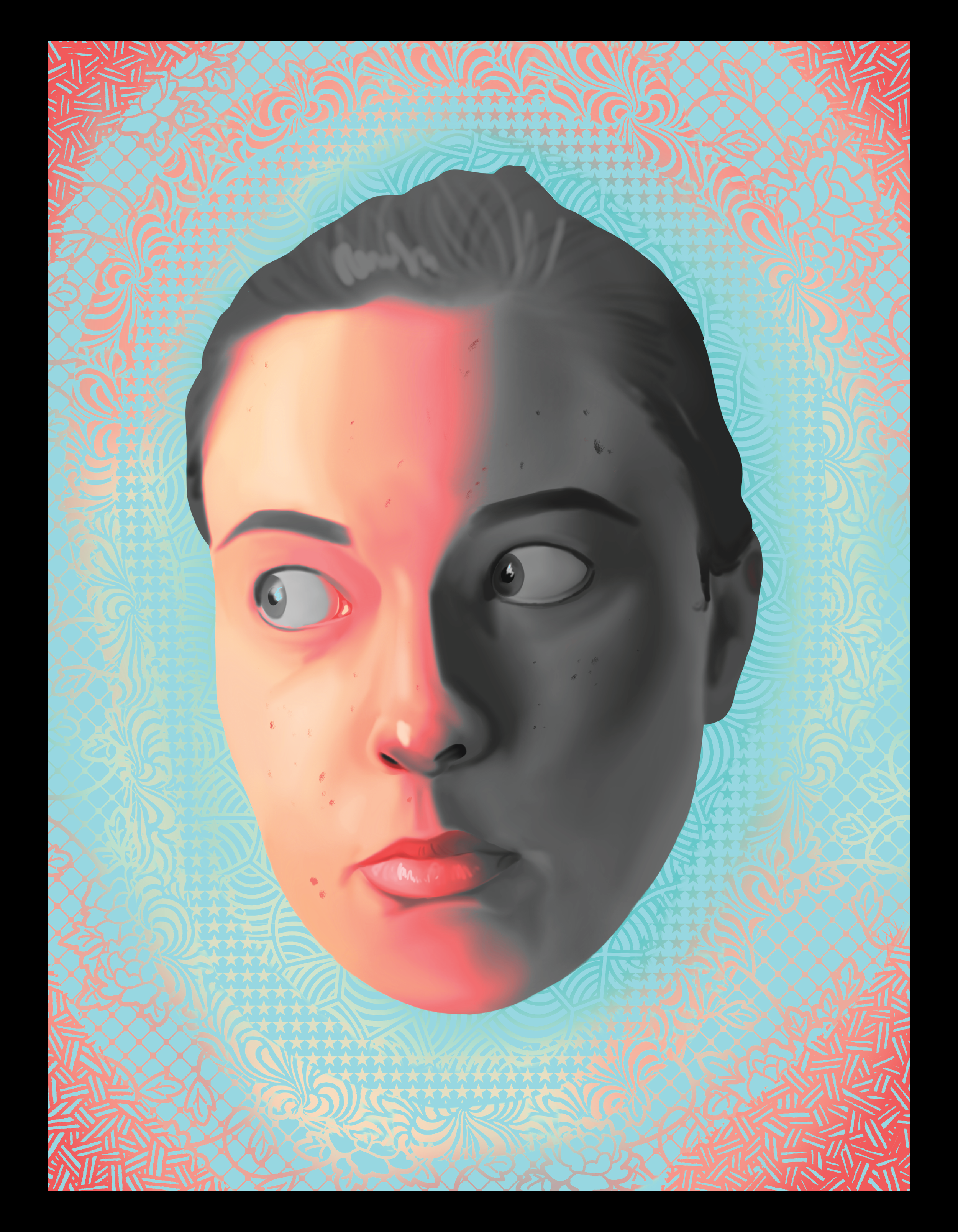
Digital Painting: Self-Portrait
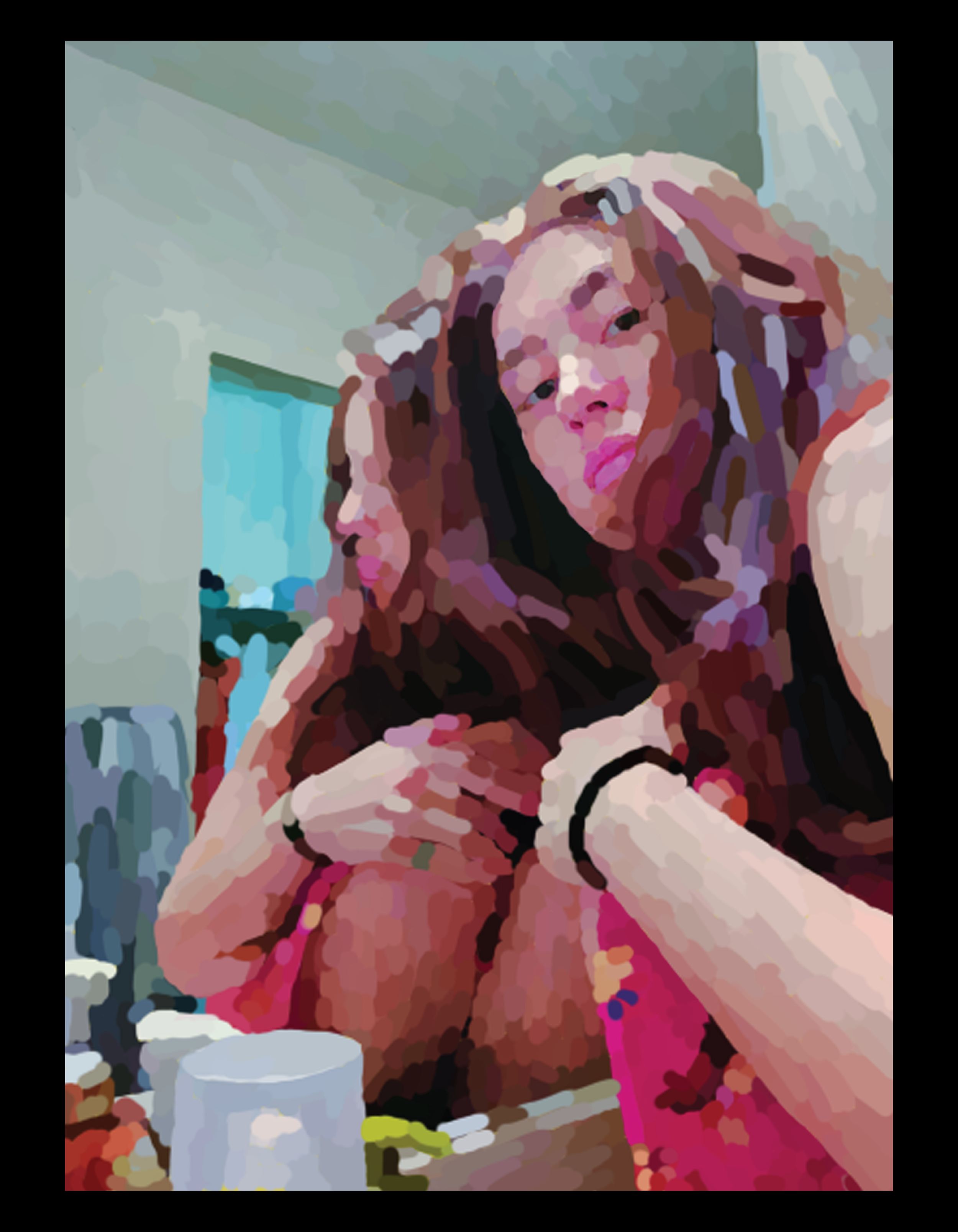
Digital Painting: Self-Portrait
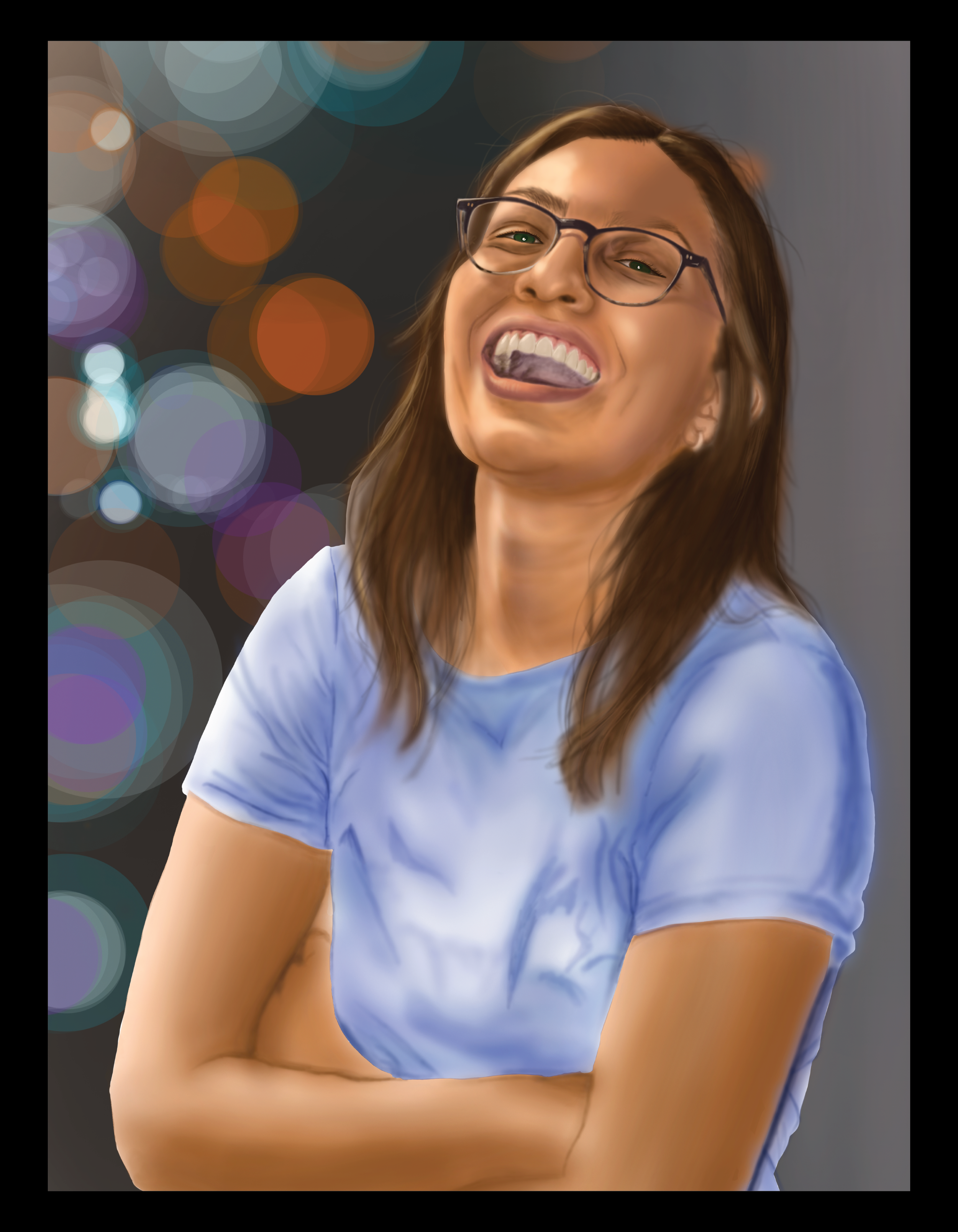
Digital Painting: Self-Portrait
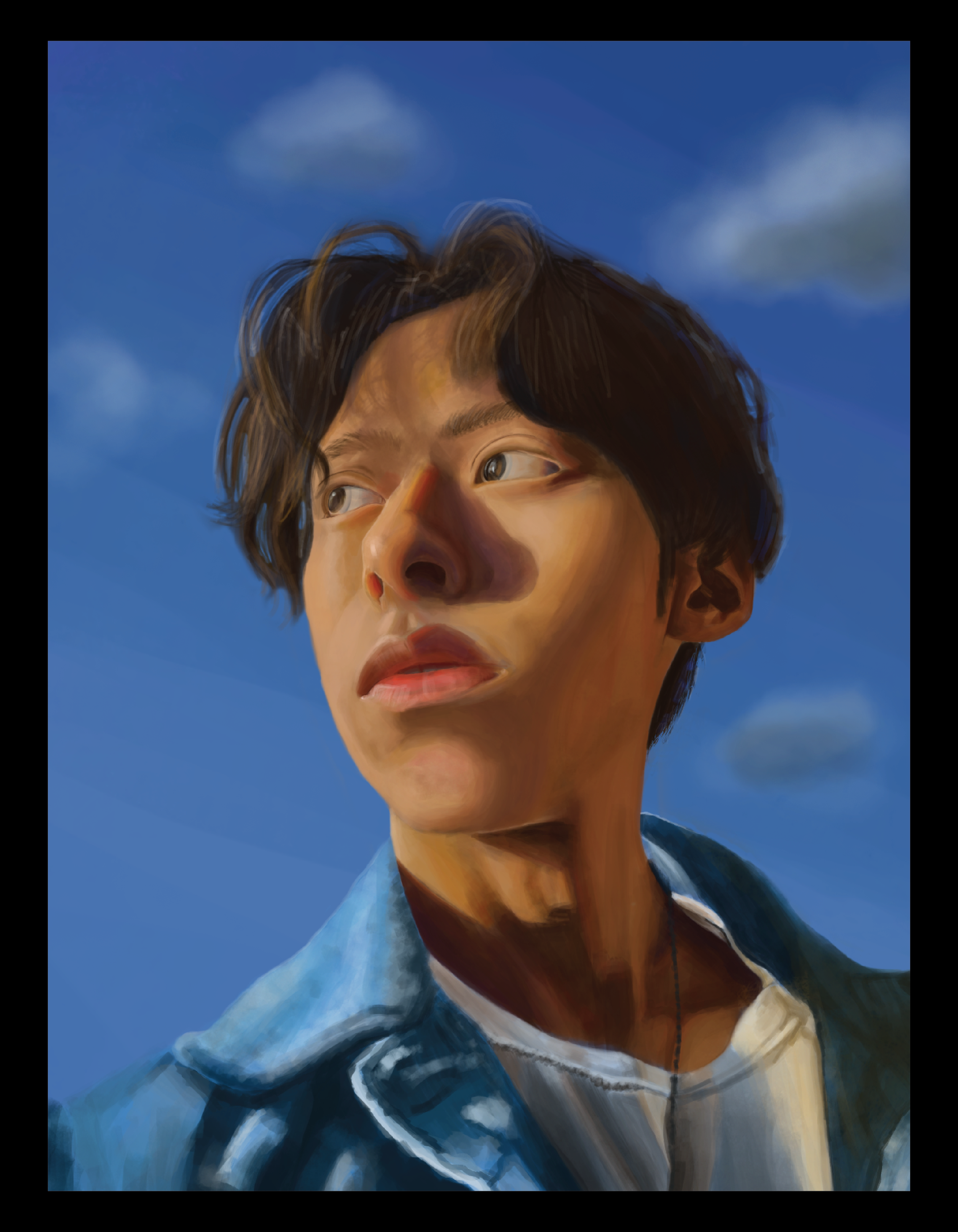
Digital Painting: Self-Portrait
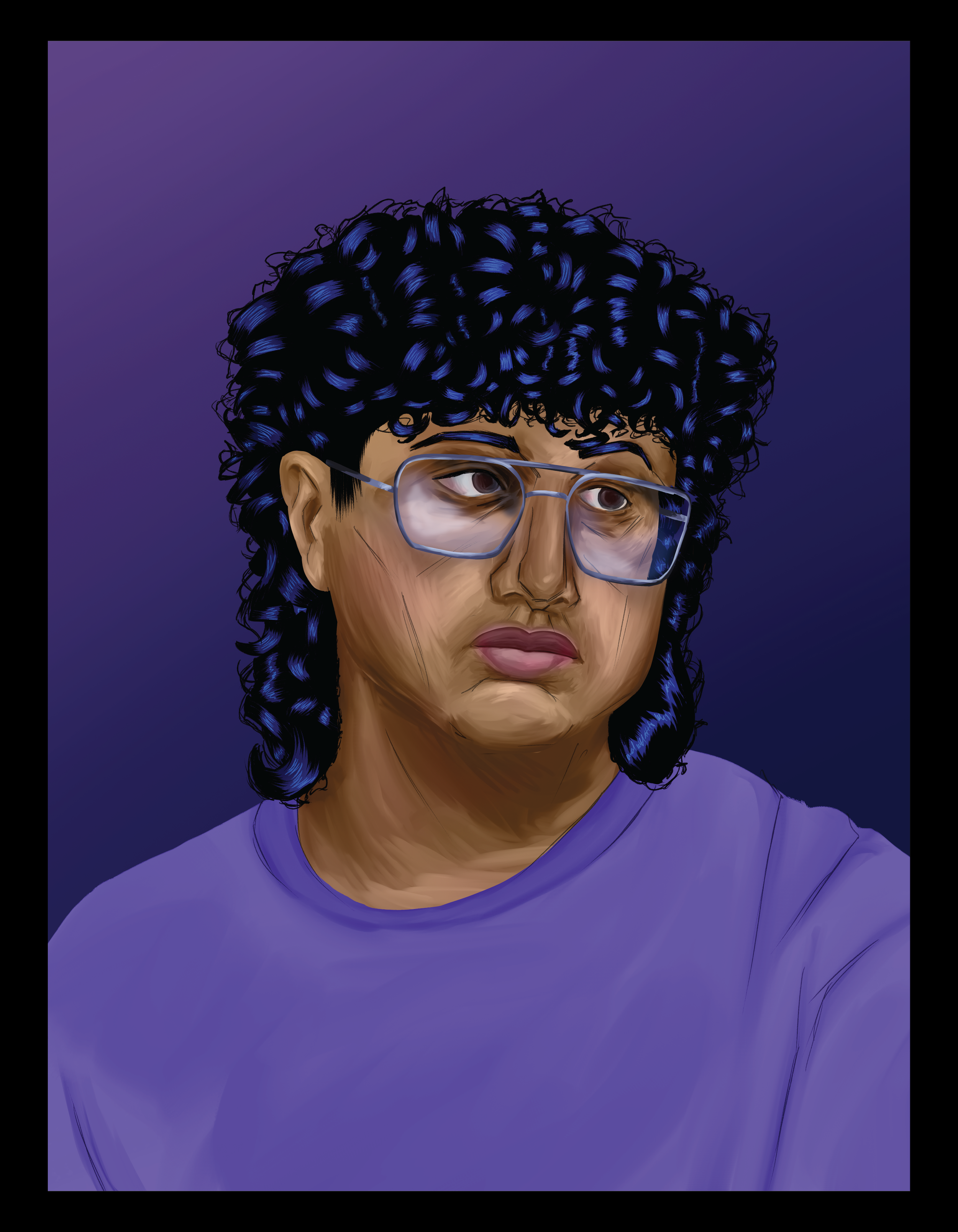
Digital Painting: Self-Portrait
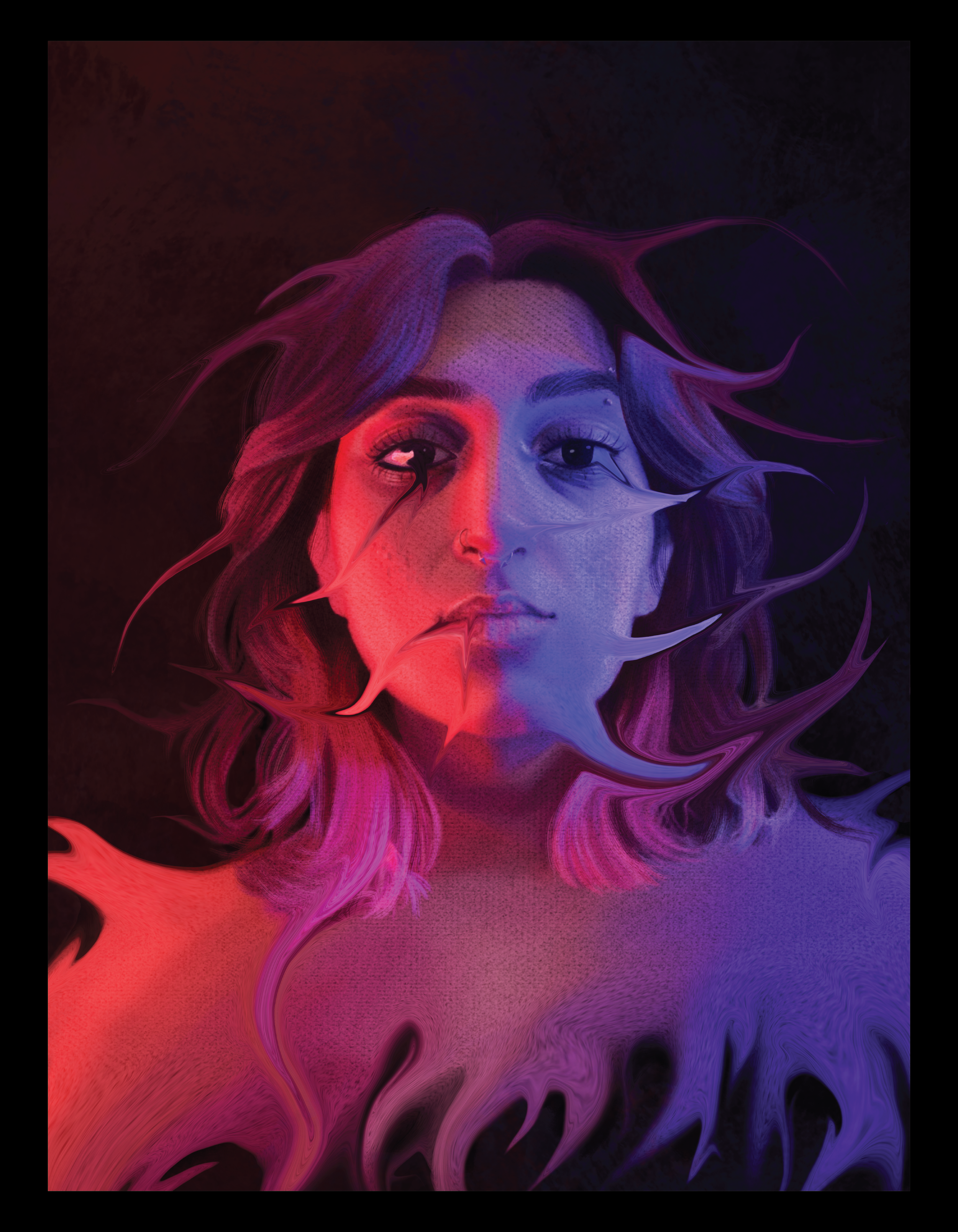
Digital Painting: Self-Portrait
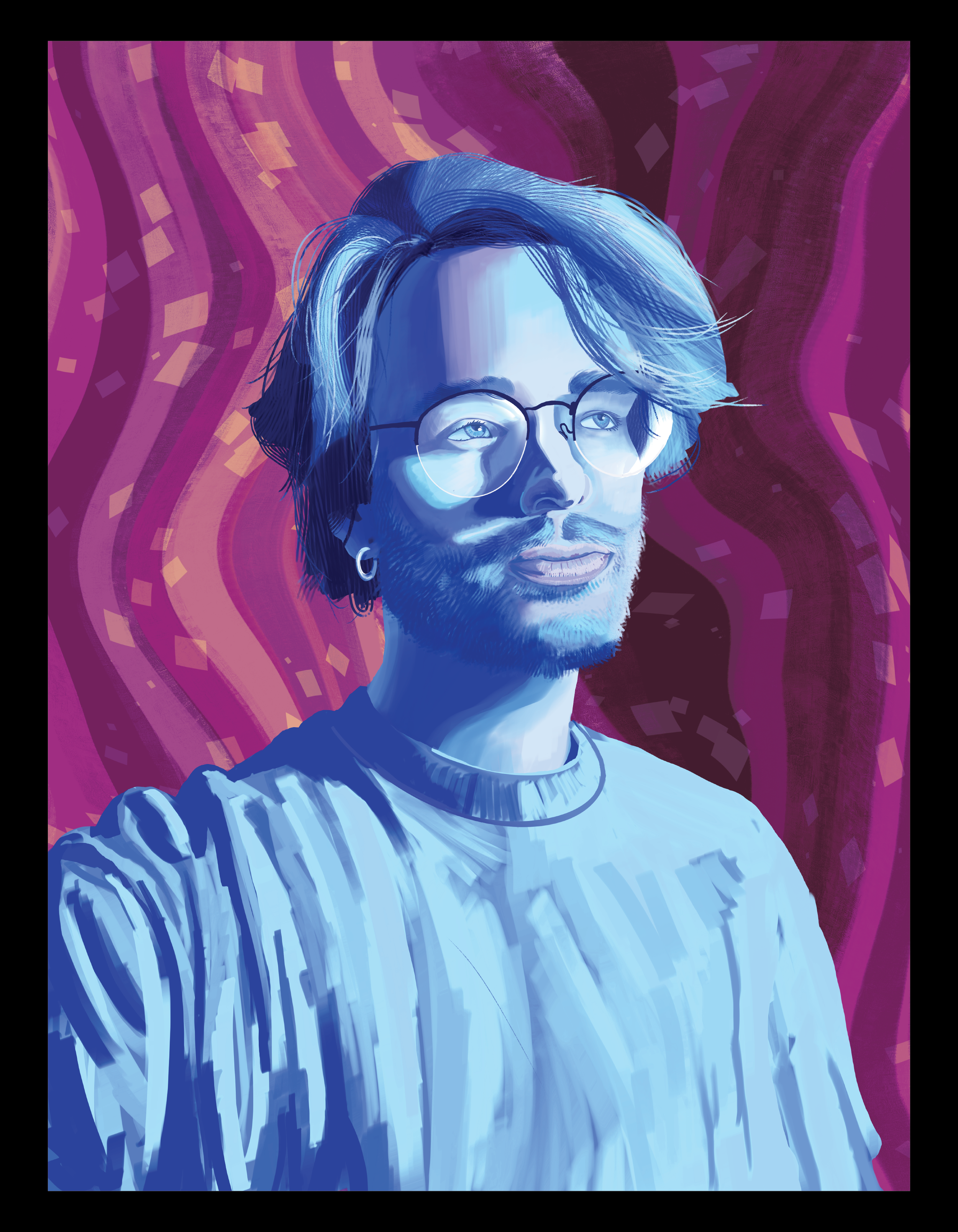
Digital Painting: Self-Portrait
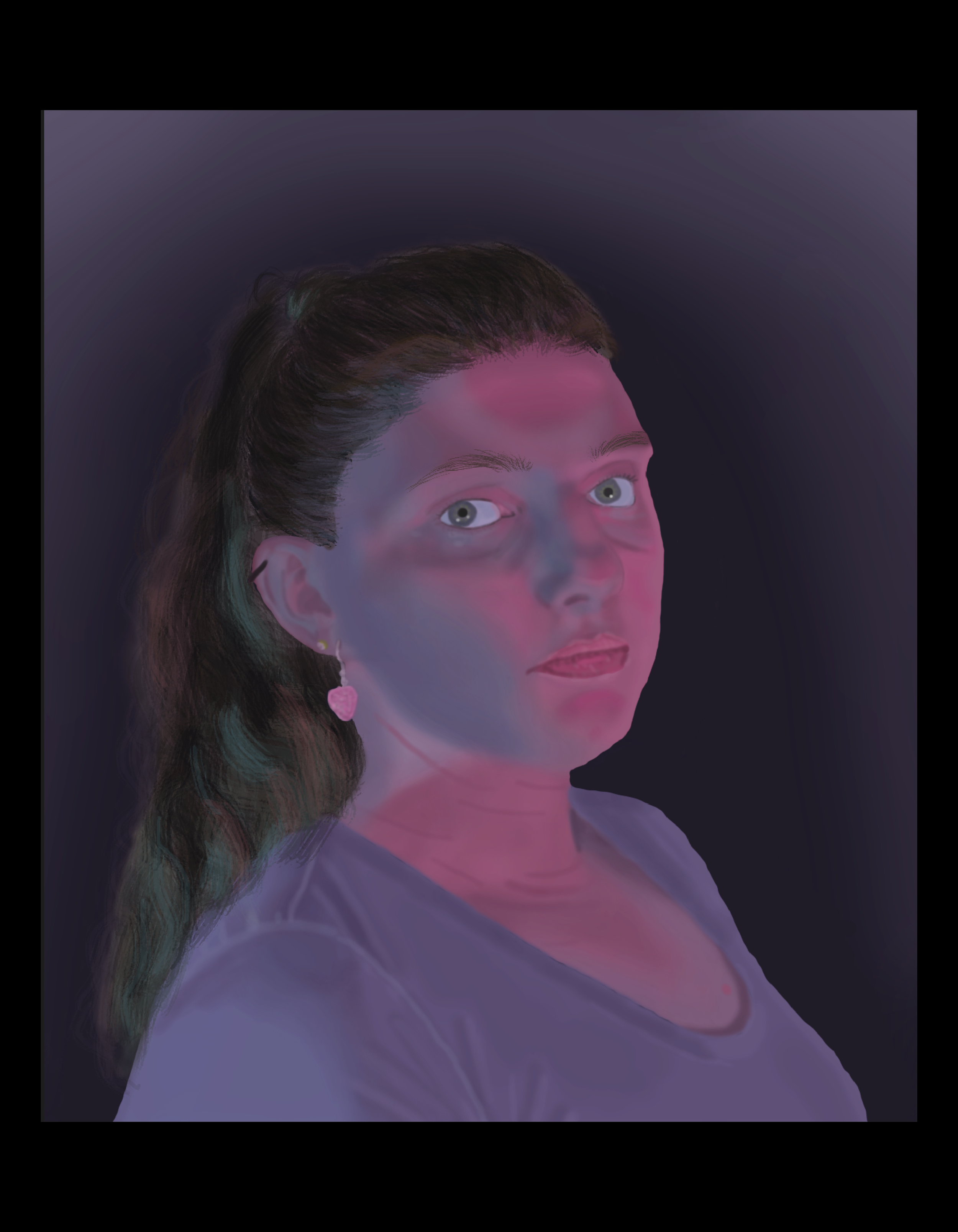
Digital Painting: Self-Portrait
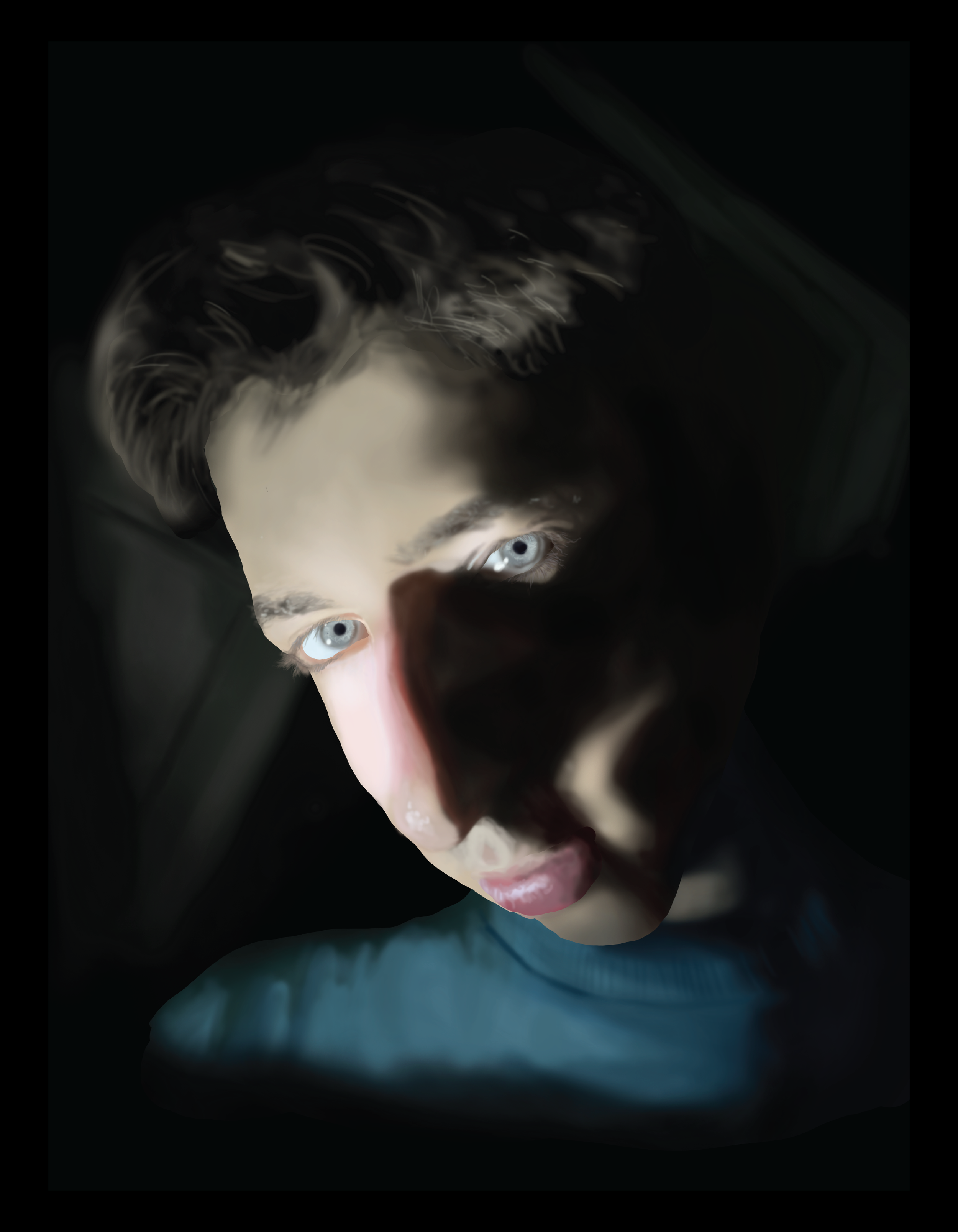
Digital Painting: Self-Portrait
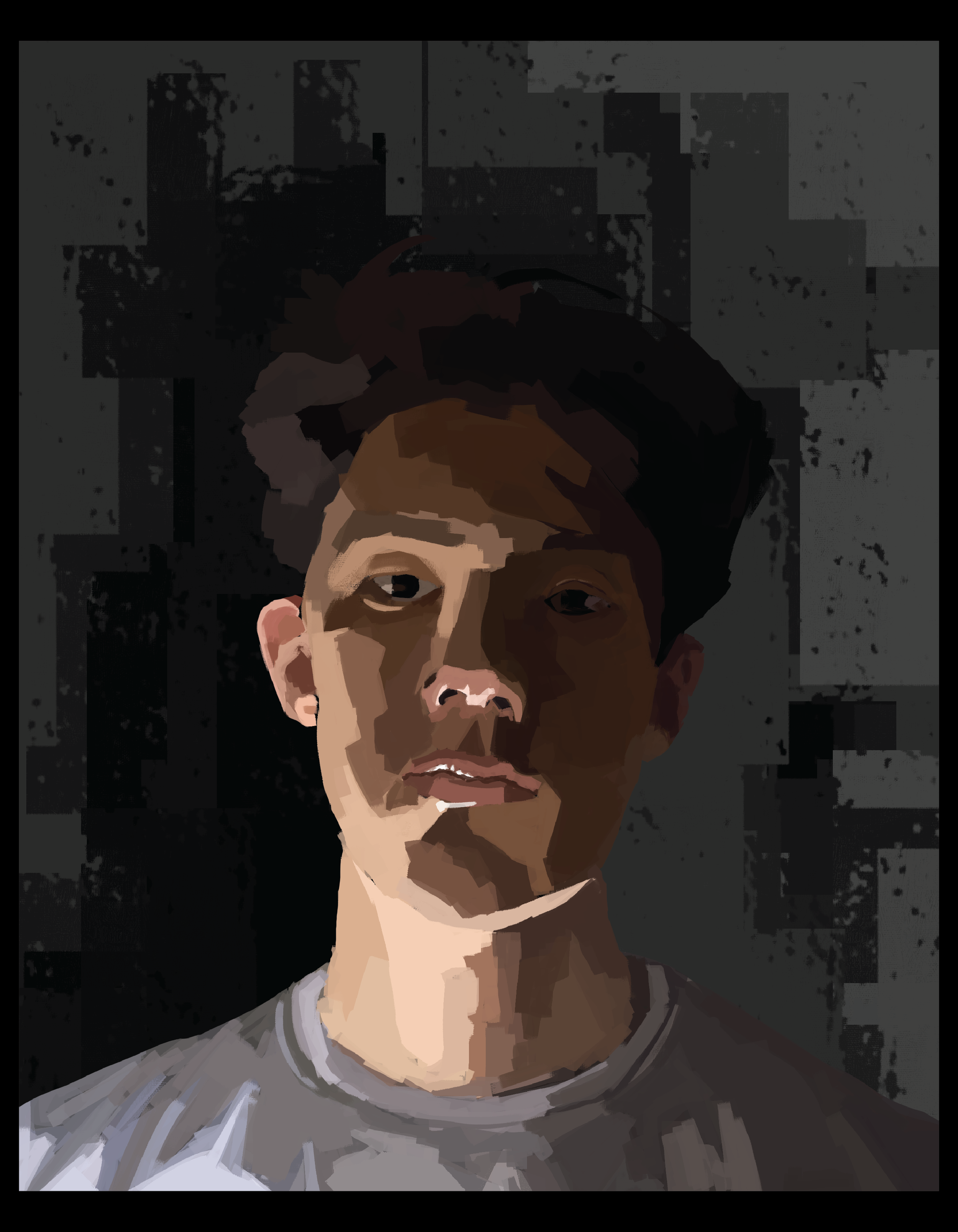
Digital Painting: Self-Portrait
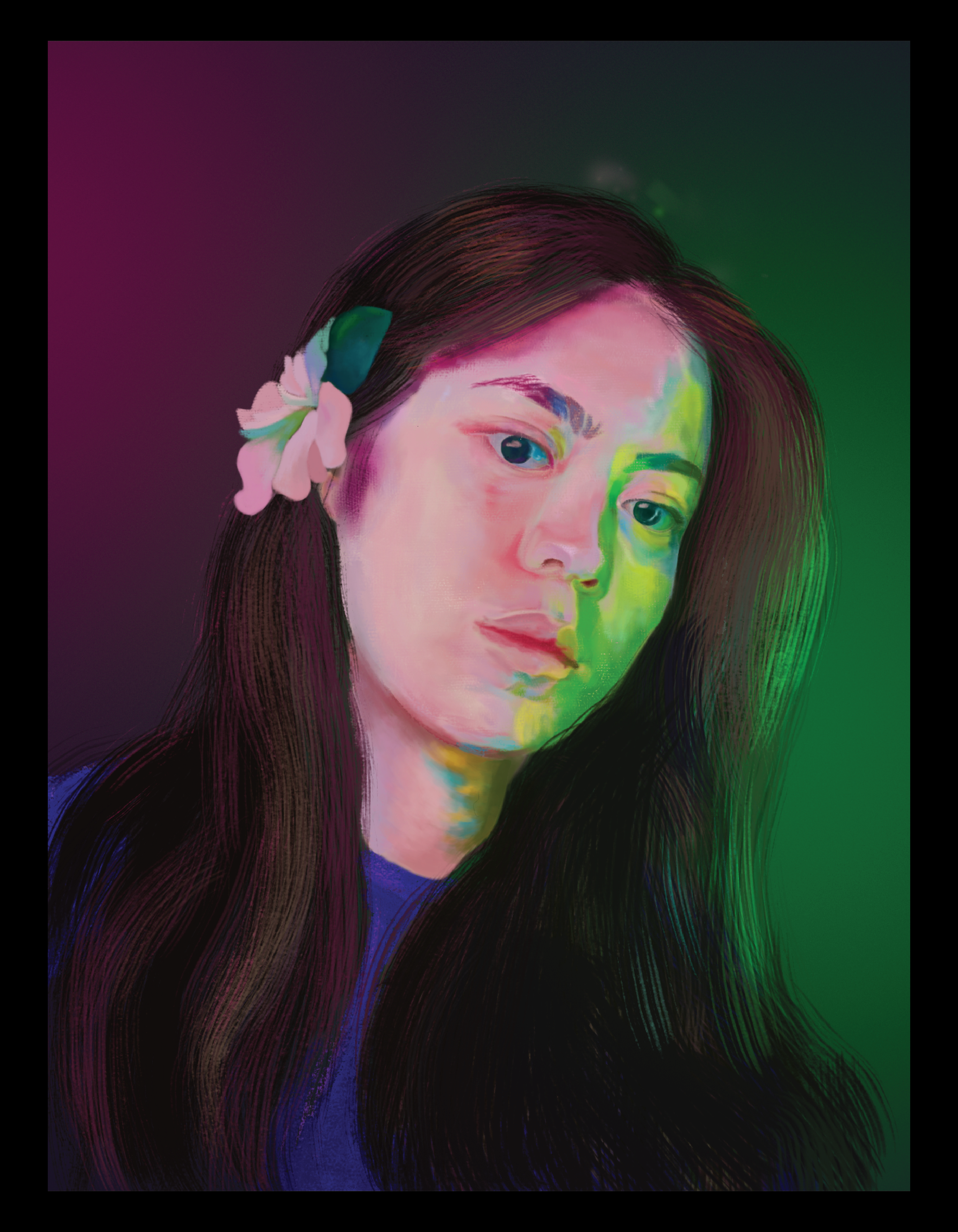
Digital Painting: Self-Portrait
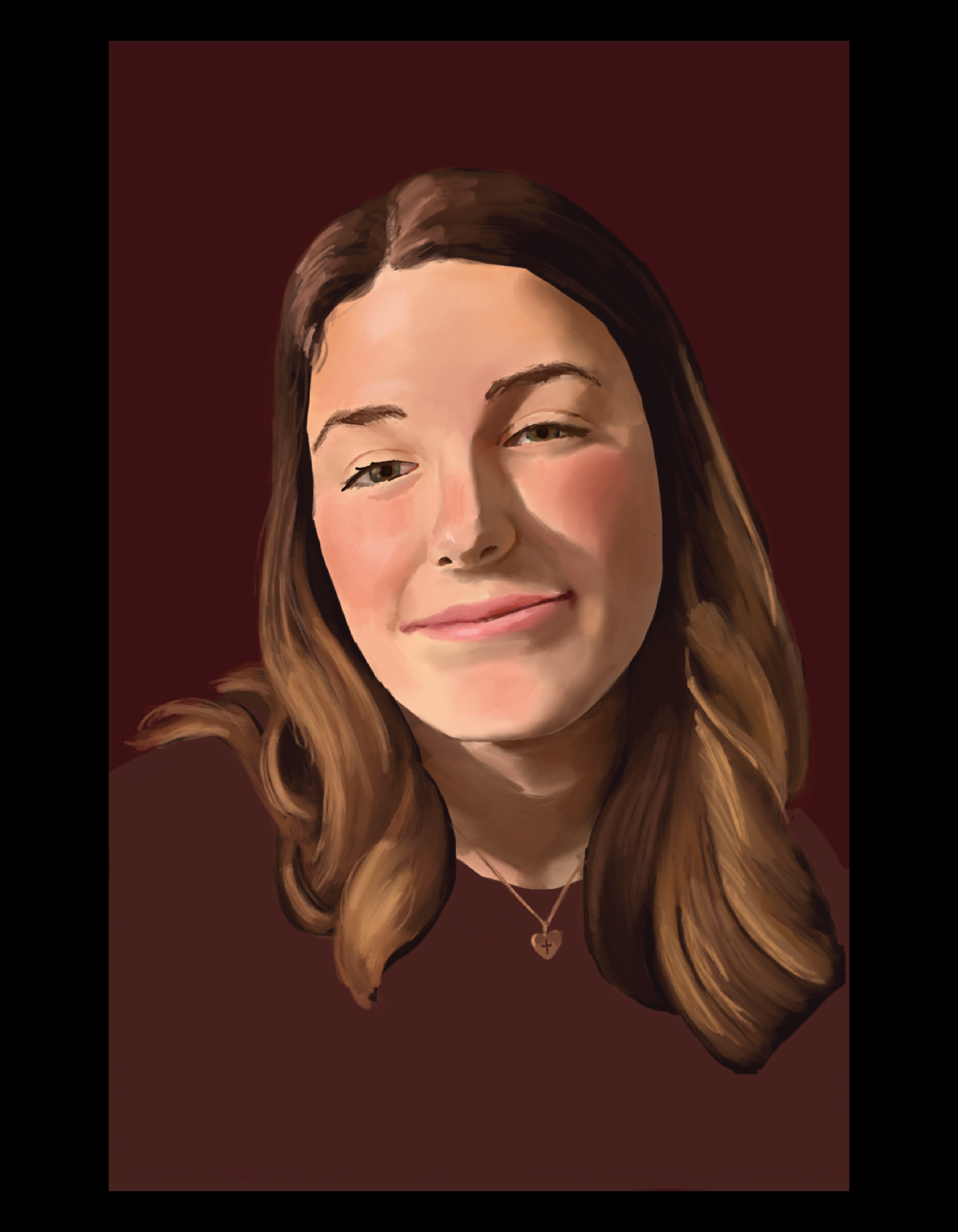
Digital Painting: Self-Portrait
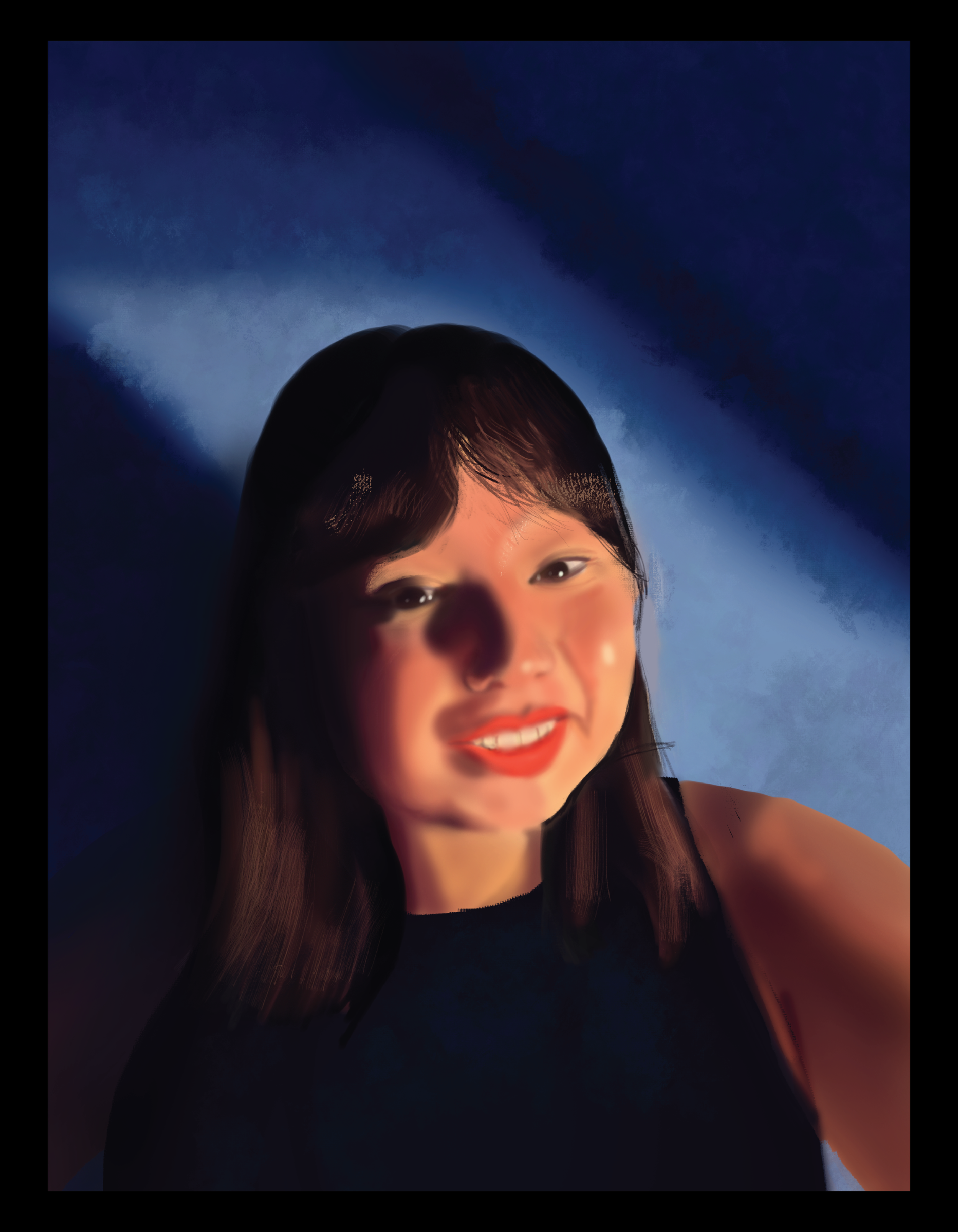
Digital Painting: Self-Portrait
Digital Foundation: 4D Animation on Digital Collage Poster
Digital Foundation: 3D Modeling